The digital dial on a pellet grill makes it feel foolproof. You set the temp, walk away, and assume the machine is doing the work.
In reality, small oversights lead to bitter flavor, grease fires, and flameouts that ruin expensive meat. These are the most common pellet grill mistakes that can catch owners off guard, including the #1 startup error that can cause a violent ignition.
25. Letting ash build up outside the fire pot
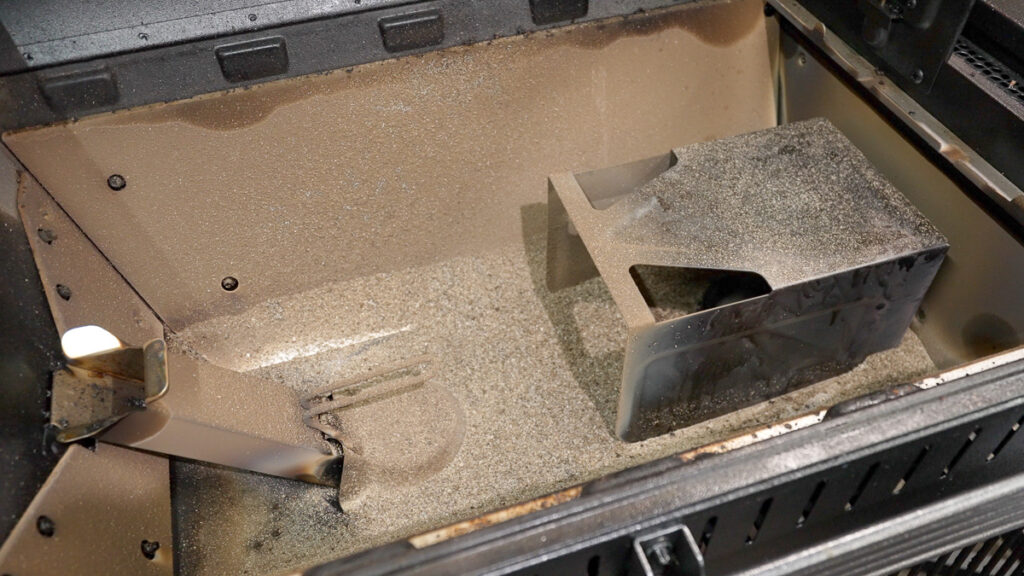
Many owners vacuum only the fire pot and ignore the rest of the grill floor. That is a mistake. Ash circulates throughout the cook chamber and settles everywhere.
Over time, this hidden ash buildup insulates heat, stresses internal metal, and throws off temperature readings. It also increases the risk of fire and warped components.
Clearing the entire base of the drum every two to three cooks, not just the fire pot, maintains stable airflow and prevents damage that can shorten the grill’s life.
24. Placing the grill too close to the house or under an overhang
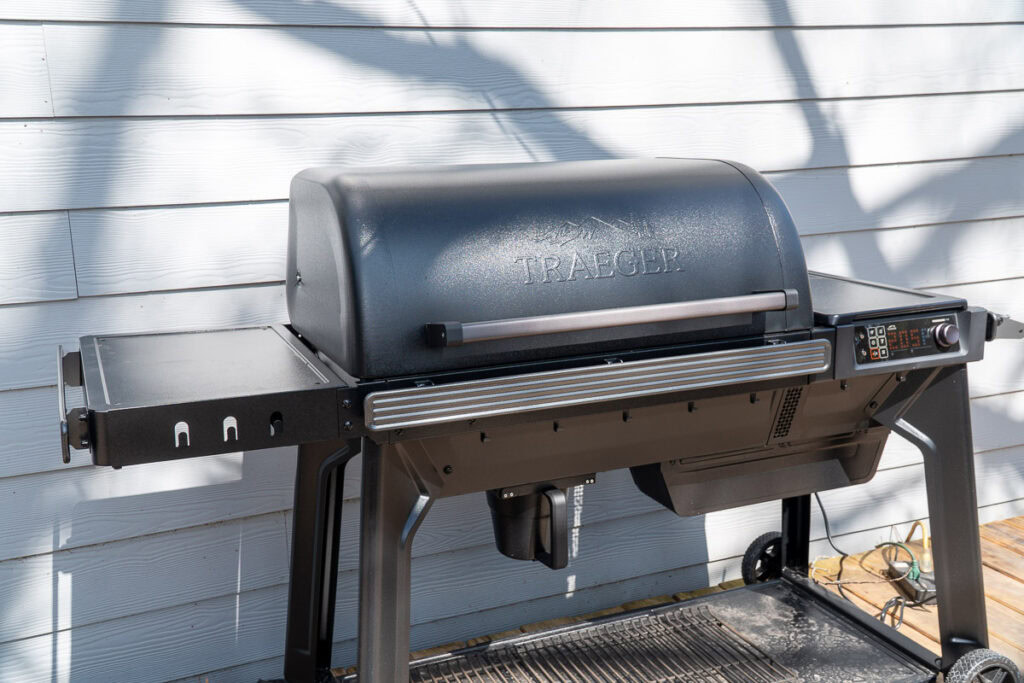
Pellet grills rely on clean airflow through the exhaust to regulate temperature. When the grill is placed under a low eave, pergola, or close to a wall, smoke and heat can get trapped and reflected back toward the lid. This interferes with exhaust flow and can cause unstable temperatures, poor combustion, and bitter smoke flavors.
Running a pellet grill too close to structures also creates unnecessary fire risk from heat buildup and grease vapors. Pellet grills should be positioned with clear space above and behind the exhaust, following the manufacturer’s clearance guidelines.
23. Ignoring thick white smoke during a cook
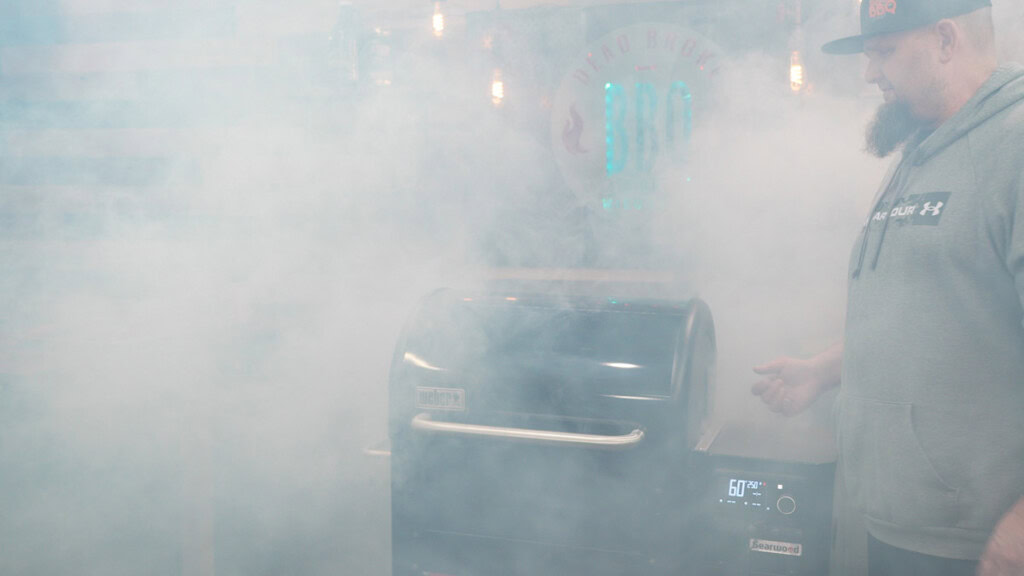
Billowy white smoke is not good smoke. It signals incomplete combustion caused by poor airflow, bad pellets, or a smothered fire.
This smoke deposits creosote on food and leaves a bitter, chemical taste. You want light, barely visible smoke, not clouds pouring out of the stack.
22. Forgetting to manage the grease bucket between cooks
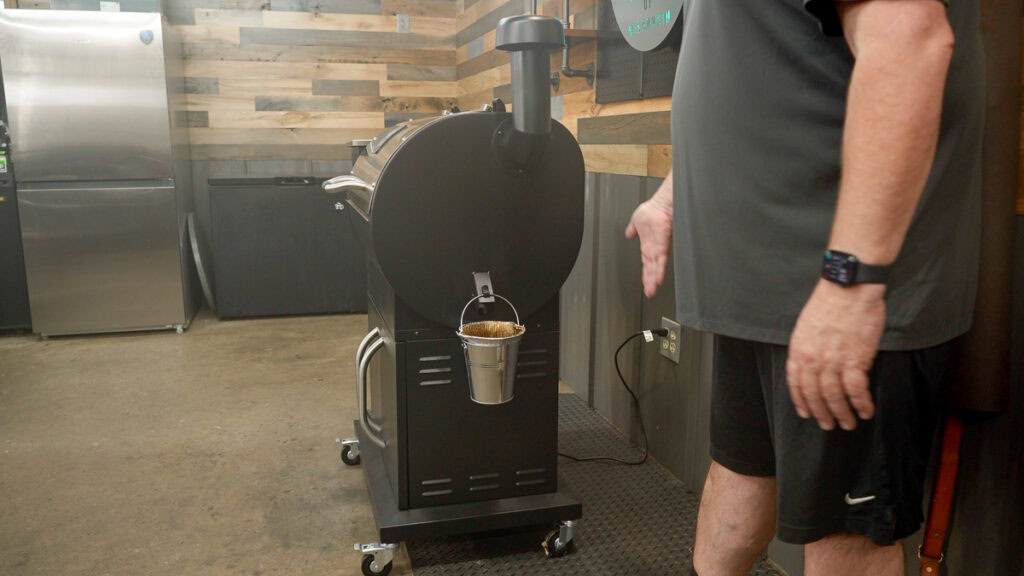
The grease bucket is easy to ignore because it hangs outside the grill, but it causes more messes than almost any other part. During long cooks, rendered fat adds up quickly, and an already half-full bucket can overflow onto the ground, creating a slippery, flammable mess under the grill.
The problem does not stop when the cook ends. A full grease bucket left hanging attracts animals, gets knocked off by pets, kids, or wind, and spills grease across patios causing a cleanup nightmare.
Emptying the grease bucket before long cooks and removing it when the grill is not in use prevents overflows, pest problems, and one of the most frustrating cleanup jobs pellet grill owners deal with.
21. Leaving pellets sitting in humid weather
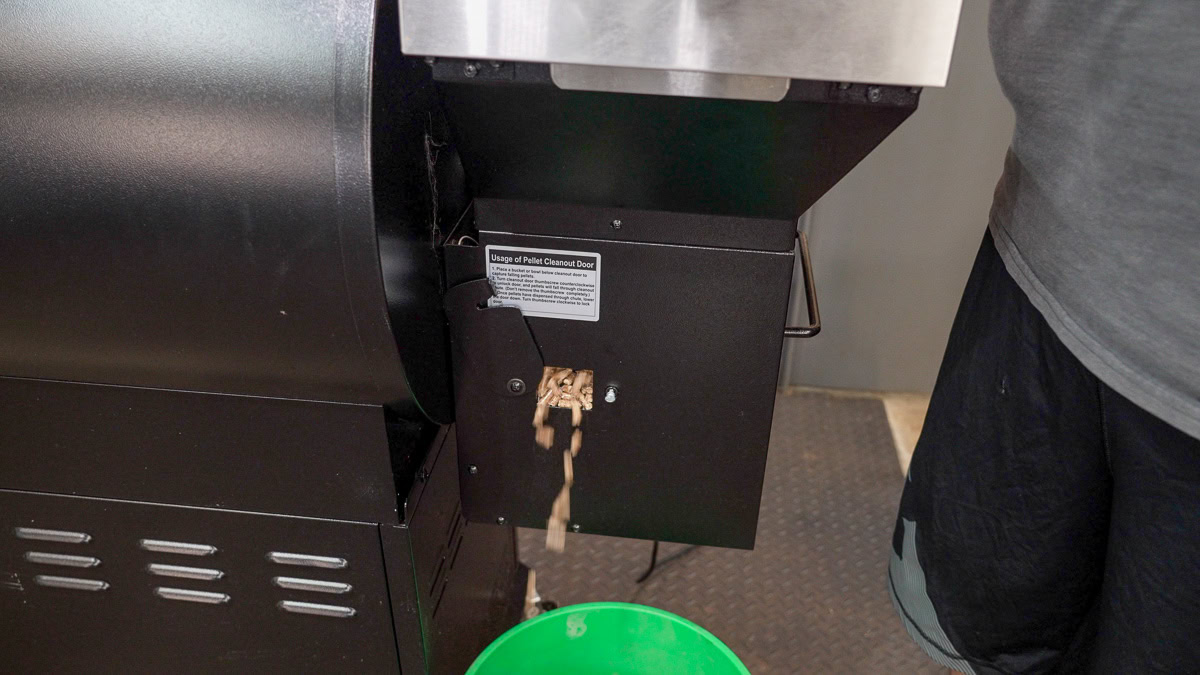
Pellets absorb moisture from the air even when the grill is covered. In humid conditions, they swell, soften, and crumble inside the auger tube. This leads to poor combustion, flameouts, and auger jams that often require a full teardown to fix.
Take advantage of the hopper cleatout feature and empty your pellets into a sealable store bin.
20. Storing pellets in the original bag
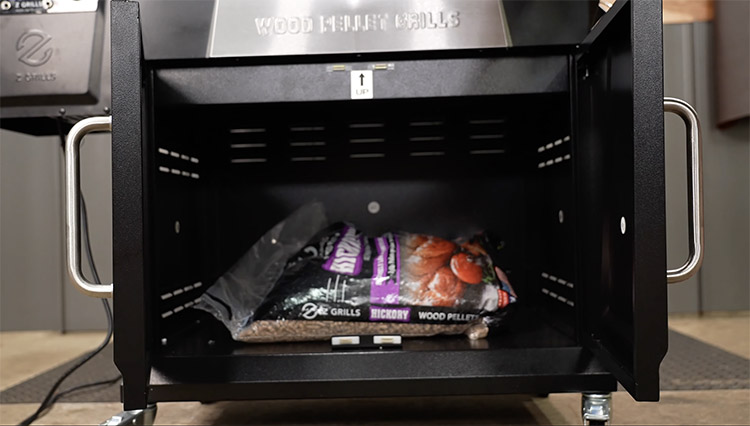
Pellet bags are not airtight. Over time, humidity seeps in through microscopic pores and degrades the fuel. Pellets that feel slightly soft or dull will never burn cleanly or reach proper temperatures. Airtight containers stored off the ground prevent most pellet-related failures.
19. Dumping pellet dust straight into the hopper
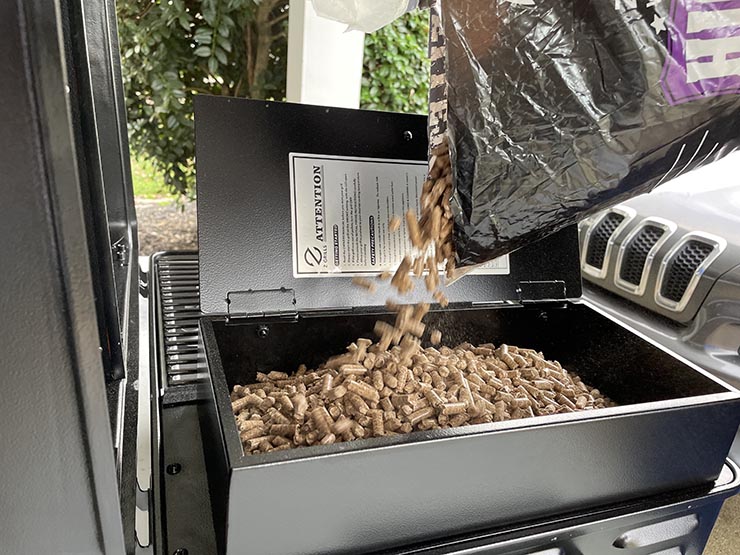
The fines at the bottom of a pellet bag do not burn the same way whole pellets do. Sawdust packs tightly, restricting airflow and creating excessive ash in the fire pot. This leads to unstable fires, temperature swings, flameouts, and auger jams.
Avoid pouring the last handful of pellets from the bag into the hopper. Scoop from the top instead, and if a bag looks dusty, gently shake it outside before opening so the fines settle. Periodically empty the hopper and vacuum out any accumulated dust, especially if you switch pellet brands or store pellets for long periods.
18. Letting the hopper run dry during long cooks
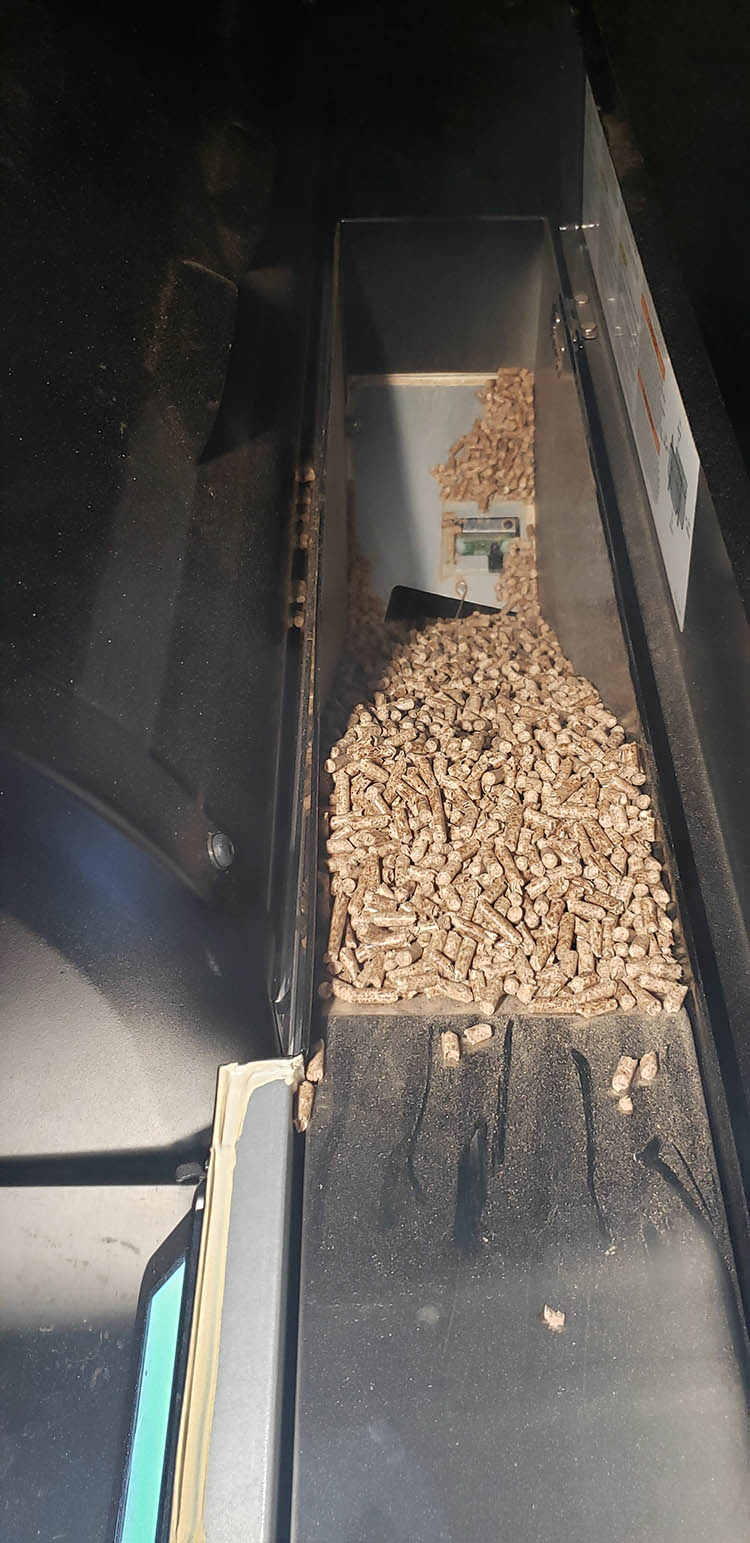
Set-it-and-forget-it does not mean ignoring the hopper for twelve hours. Pellet grills can flame out either because the hopper runs out of fuel entirely or because tunneling occurs, where pellets cling to the sides while the auger pulls from the center. The auger is spinning empty air, and the fire dies.
When this happens mid-cook, temperatures crash, and restarting often requires a full shutdown and re-prime cycle. On large cuts, that mistake can add hours or ruin the cook completely.
Checking pellet levels and stirring the hopper every few hours during long cooks keeps fuel feeding consistently and prevents overnight flameouts.
17. Forgetting to prime the auger after running dry
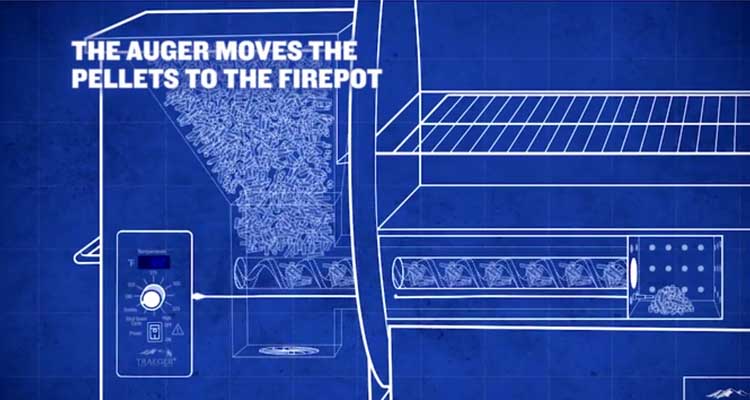
If you do let the hopper run dry, don’t compound the mistake.
After the hopper empties, the auger is full of air, not fuel. Refilling pellets and hitting start without priming can lead to ignition failures because it takes 10 minutes or more for the new pellets to reach the pot. Use the manual prime function to ensure pellets are dropping before you start the igniter.
16. Using pellet stove pellets by mistake
Heating pellets are made for warmth, not food. They often contain softwoods, bark, or chemical binding agents that burn dirty and are not intended for cooking. Only pellets clearly labeled for grills and smokers belong in your hopper.
15. Cooking in the wind and cold without shelter
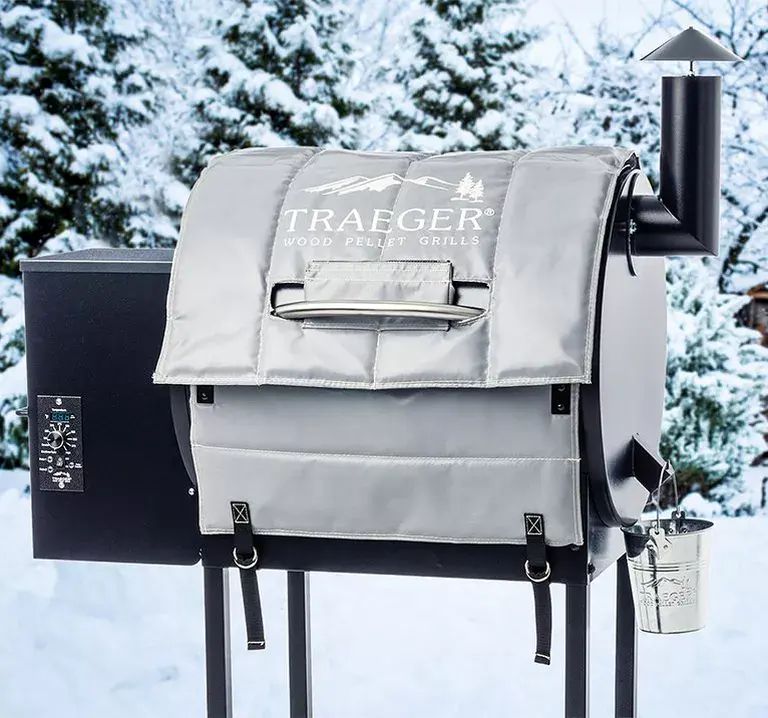
Source: Traeger
Pellet grills are extremely sensitive to wind, especially in cold weather. Gusts blowing into the intake or across the exhaust strip heat faster than the controller can compensate, forcing the grill to dump pellets just to stay lit.
This leads to wild temperature swings, flameouts, or unexpectedly running out of pellets mid-cook.
Cooking in winter conditions without a windbreak or insulation blanket wastes fuel and destabilizes the fire. Even simple shelter or turning the exhaust away from the wind can dramatically improve temperature control and pellet usage.
14. Obsessing over temperature swings
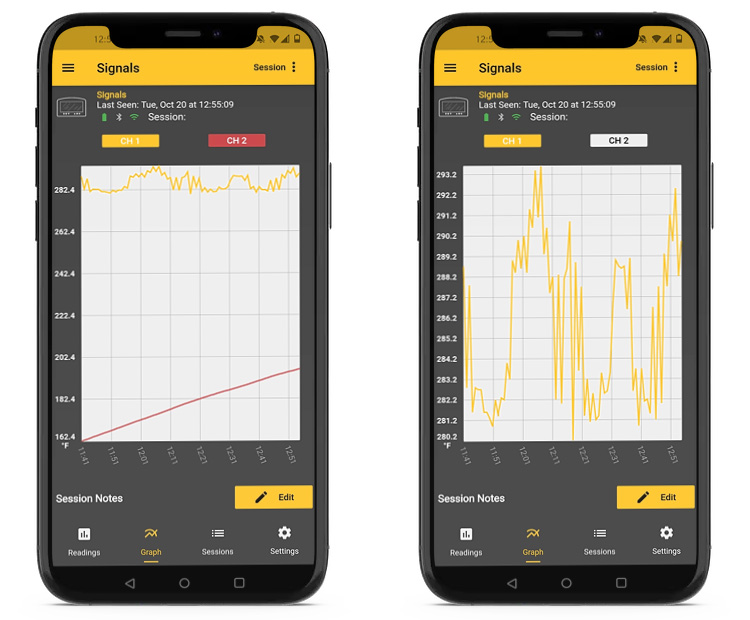
Pellet grills usually display a single temperature reading, which may be an average or the temperature at one fixed point in the cook chamber. When you add third-party probes at grate level, it is common to see numbers that do not match. Many cooks panic when they see differences and start chasing the controller up and down.
As long as swings stay within roughly 15–30°F, this behavior is normal. Constant adjustments confuse the controller and actually cause larger overshoots later. Instead of chasing the display, focus on the overall average temperature and rotate food to account for normal hot and cool zones.
13. Opening the lid “just to check.”
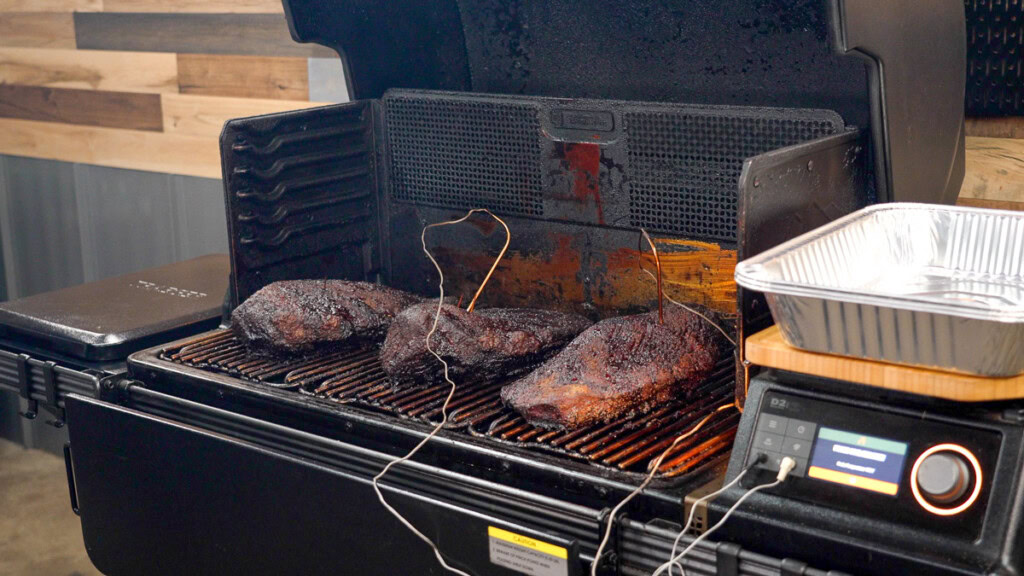
Every time you open the lid, you dump heat and smoke from the cook chamber. The controller responds by feeding more pellets to recover, which takes much longer than on a gas grill because pellets have to be delivered and ignited. Frequent lid openings stretch cook times, increase pellet usage, and make temperatures less stable overall.
Pellet grills work best when left closed. Trust your probes and timers, and only open the lid when you need to move, wrap, or remove food.
12. Trusting the Wi-Fi app instead of your eyes
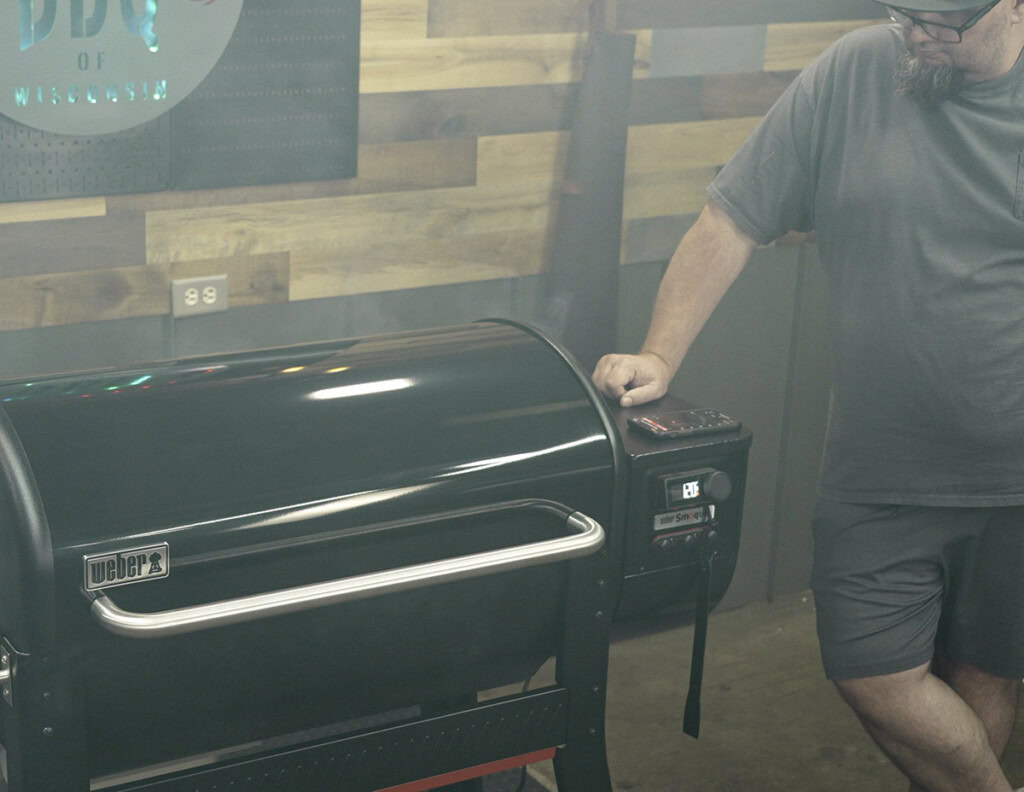
Apps show averages, not real-world problems. They cannot see flameouts, grease fires, or bridged pellets. If something looks off in the app, the answer is outside, not another tap on the screen. Physical checks are mandatory for expensive cuts of meat.
11. Trusting factory meat probes without verifying
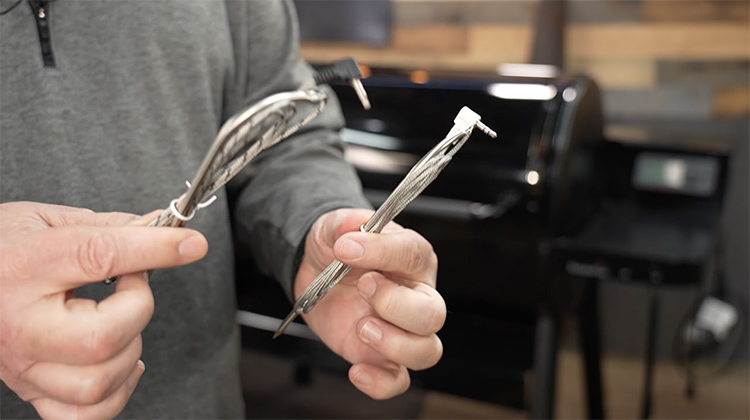
Factory-installed probes often drift out of calibration by 10 to 20 degrees. Relying on them alone leads to overcooked, dry meat or “false” doneness calls.
Always verify your internal temps with a high-quality, handheld instant-read thermometer like the Thermapen ONE.
10. Trying to grill like it’s a gas or charcoal grill
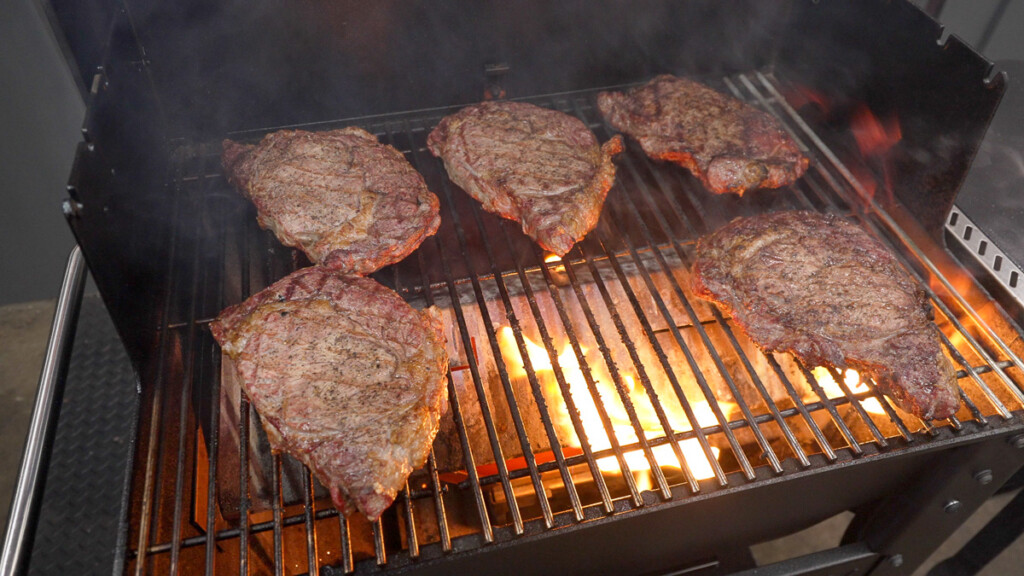
Most pellet grills cook with indirect heat. Even when the air temperature is high, a heat diffuser blocks direct flame, and standard grates do not hold enough thermal mass to create a proper sear. This is why steaks often turn gray before they ever develop a proper crust.
Simply turning the temperature up rarely produces a real sear and usually just wastes pellets. On most pellet grills, hot air alone cannot create the intense contact heat needed for a proper crust.
A more reliable approach is to finish thick steaks on a gas or charcoal grill, or use something that adds real surface heat, such as GrillGrates or a fully preheated cast iron surface. Reverse searing helps control doneness, but without a hot finishing surface, it will not create a strong sear.
09. Blocking airflow with tightly tucked foil
Wrapping the drip tray with foil makes cleanup easier, but make sure the foil is not blocking the grease drain or the side channels, which can restrict airflow. Poor oxygen flow causes erratic fires and frequent flameouts. Foil should never interfere with the grill’s designed air paths.
08. Overloading the grate with cold meat
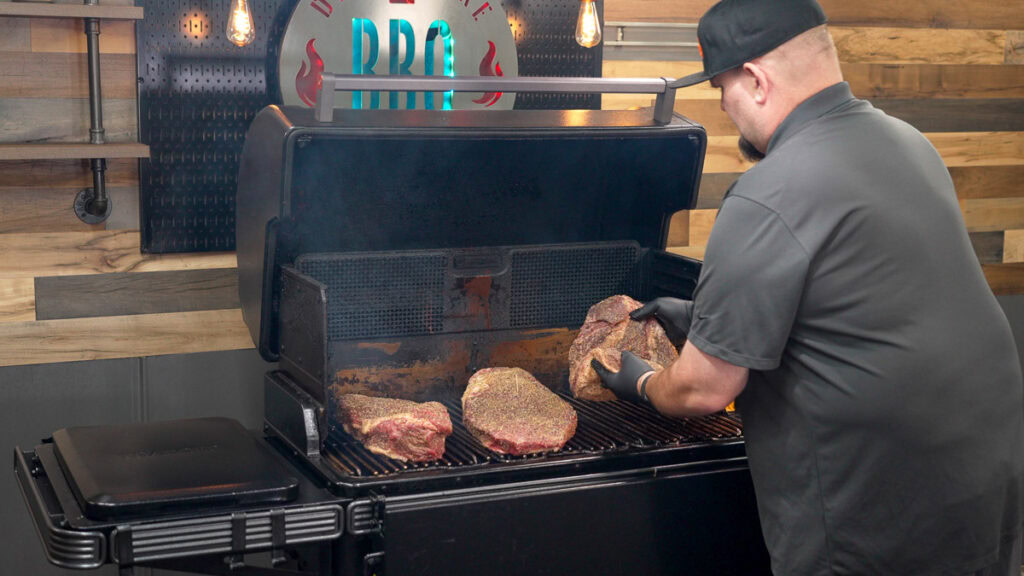
Packing the grill full of cold protein crashes the ambient temperature and triggers aggressive pellet feeding. This often smothers the fire pot. Leaving at least 15% open space allows hot air to circulate and ensures the meat cooks evenly.
07. Ignoring grinding or squealing auger noises
Unusual sounds are early warnings. Grinding often means a jam or a foreign object in the auger. Squealing points to motor stress or a lack of lubrication.
Ignoring these noises usually ends with a failed cook and an expensive motor replacement.
06. Switching to high heat after multiple low-and-slow cooks without cleaning
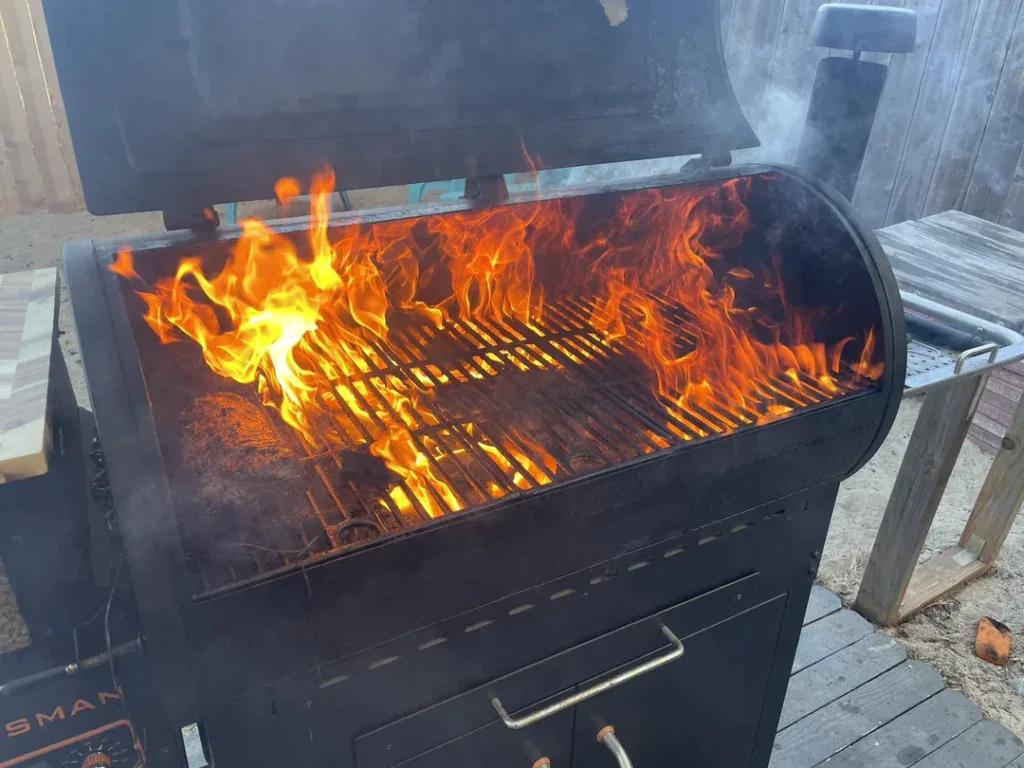
Grease builds up gradually during low-and-slow cooks, often over several sessions. When you later run the grill hot for burgers or chicken, that old grease liquefies all at once and can ignite during the heat ramp-up.
This type of grease fire often catches people off guard because it has nothing to do with what’s currently on the grill. Scraping the drip tray and clearing built-up grease before any high-heat cook, especially after several long smokes, dramatically reduces the risk of flare-ups and total-loss fires.
05. Cooking on a new grill without a burn-off
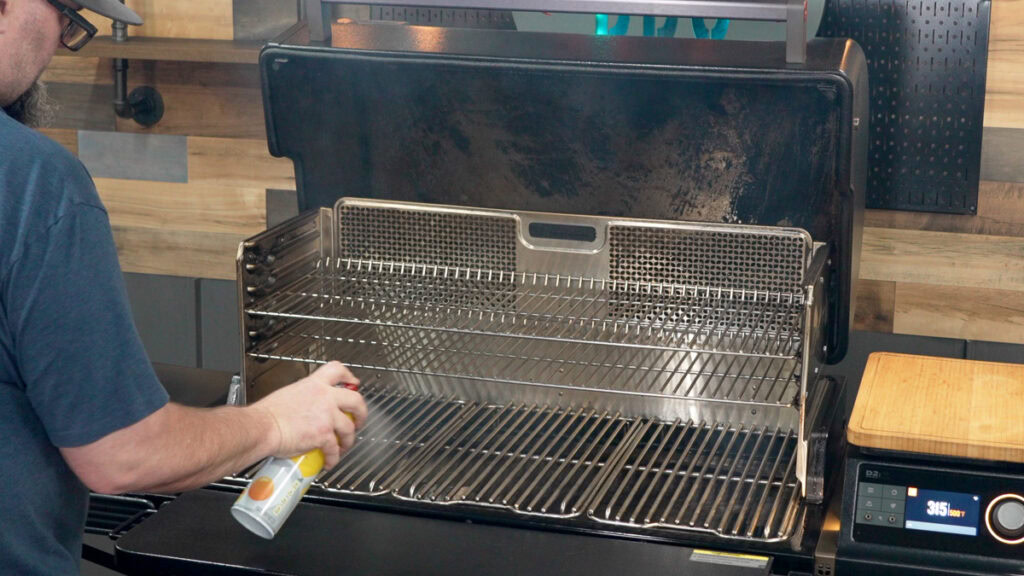
Manufacturing oils and residues coat new grills to prevent rust during shipping. Cooking during the initial burn-off locks those smells and chemicals into your food. The first burn must always be done empty at high heat for at least 45 minutes.
04. Only using a pellet grill for ribs and brisket
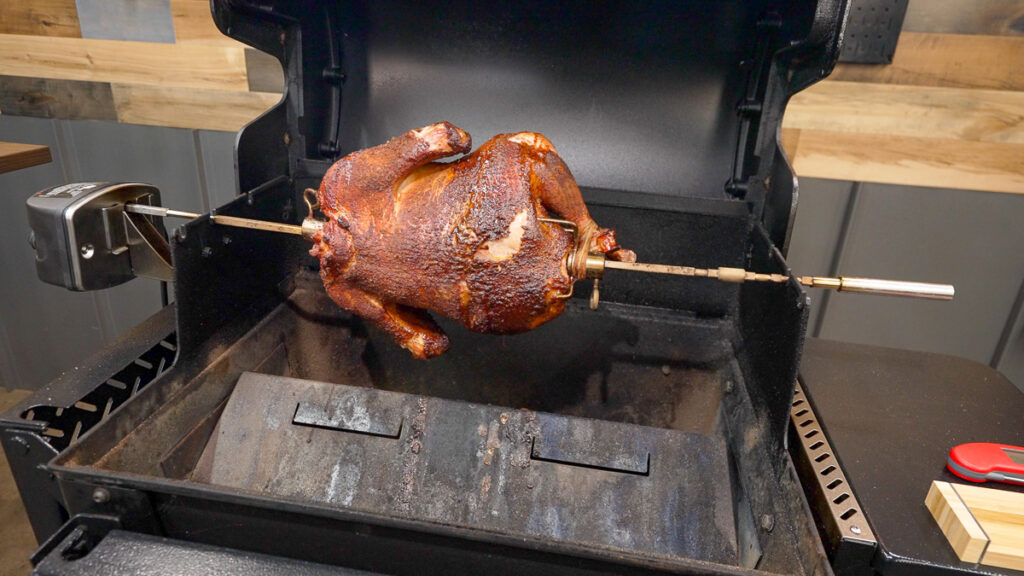
Pellet grills are designed to handle far more than long smokes. Their real strength lies in steady, oven-like temperature control with a light smoke profile, which makes them well-suited to baking bread, roasting chicken or vegetables, cooking pizzas on a stone, and even running a rotisserie on models that support one. Many can also be used for cold smoking cheese, butter, or fish with the right setup.
This mistake does not ruin food, but it often leads to the belief that pellet grills are slow, expensive to run, or impractical for everyday cooking, when in reality they can replace an outdoor oven for a wide range of meals.
03. Unplugging the grill instead of using shutdown
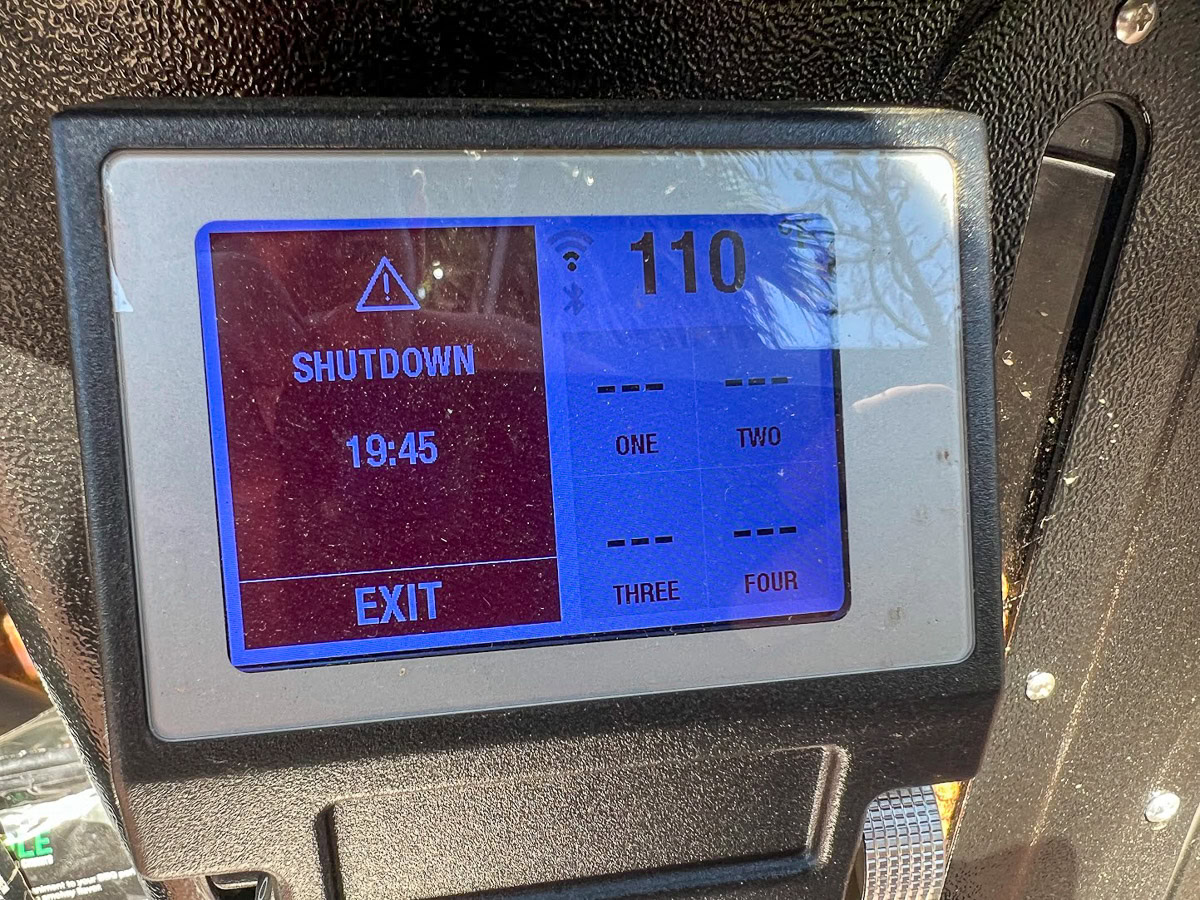
Cutting power immediately leaves an active fire in the pot with no airflow control. In extreme cases, the heat can travel backward through the auger toward the hopper. The shutdown cycle exists to burn off remaining fuel and cool the components safely.
02. Setting the temperature too high too early
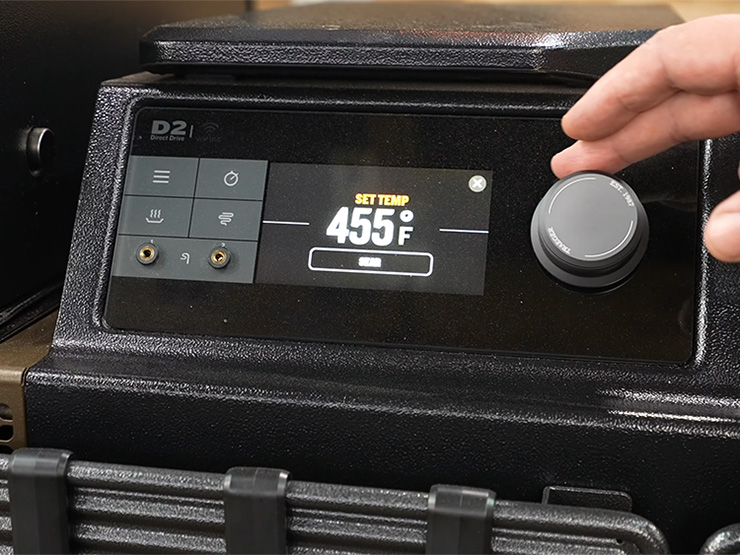
Pellet grills burn very efficiently. Once temperatures climb above about 250°F-275°F, smoke production drops sharply because the fire is burning too “clean.”
This is why many people complain that food cooked on pellet grills lacks smoky flavor.
Starting hot robs meat of smoke flavor before it has time to absorb it. Low temperatures (180°F-225°F) early in the cook build better flavor and a deeper smoke ring, and you can always bump the temperature later to power through the stall or crisp up skin.
01. Starting the grill with the lid closed
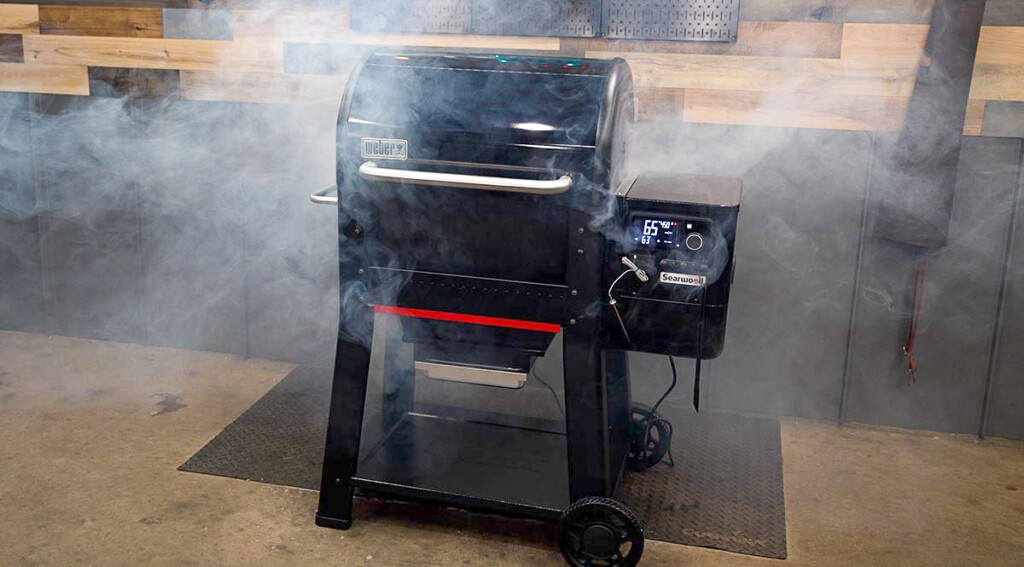
During startup, pellets smolder and release combustible gases before fully igniting. With the lid closed, those gases are trapped inside the chamber. When ignition finally happens, the pressure can release violently, causing the infamous “pellet grill boom” that warps lids and blows them open.
This rule is model-dependent, so always consult your manual and, unless the brand says otherwise, always start with the lid open.
Your Path to Pellet Grill Success
That’s it. The pellet grill mistakes that quietly ruin cooks and the fixes that make everything more consistent. Avoid these, and you’ll waste fewer pellets, save time, and get better results from every cook.
If you want to put these fixes to work right away, grab our pellet grill recipes ebook, featuring 25 of our most popular pellet grill recipes, all designed to cook clean, steady, and stress-free on real-world pellet grills.
Let us know in the comments below which mistake caught you out, or if there’s one we missed.
Did you miss our previous article...
https://manstuffnews.com/backyard-grilling/grilled-greek-lemon-chicken
 Backyard GrillingWeekend WarriorsAdvice from DadBeard GroomingTV Shows for Guys4x4 Off-Road CarsMens FashionSports NewsAncient Archeology World NewsPrivacy PolicyTerms And Conditions