A Weber kettle costs a fraction of a Traeger. It sears better, and run properly, it smokes better too.
Most owners never get there. The manual covers the basics and leaves out the rest, and that’s where these 25 mistakes come from, counting down to the one that keeps most kettles stuck on burgers and hot dogs.
25. Using the lid like it’s a gas grill
Your gas grill habits should not carry over to the kettle. On gas, the burners put out the same heat no matter what, so closing the lid traps it and the grill runs hotter.
Charcoal works the other way. A charcoal fire burns as hard as the air you give it, so lifting the lid floods the coals with oxygen and they burn hotter and faster.
Lid off: Thin steaks, smash burgers, and anything that’s done in a few minutes, once the grill is properly preheated.
Lid on: Chicken thighs, chops, sausages, and steaks over an inch. The kettle works like an oven, cooking from every side while the vents keep the fire in check.
If it cooks in under about five minutes, leave the lid off. Anything longer, put it on.
24. Rushing the lighter fluid
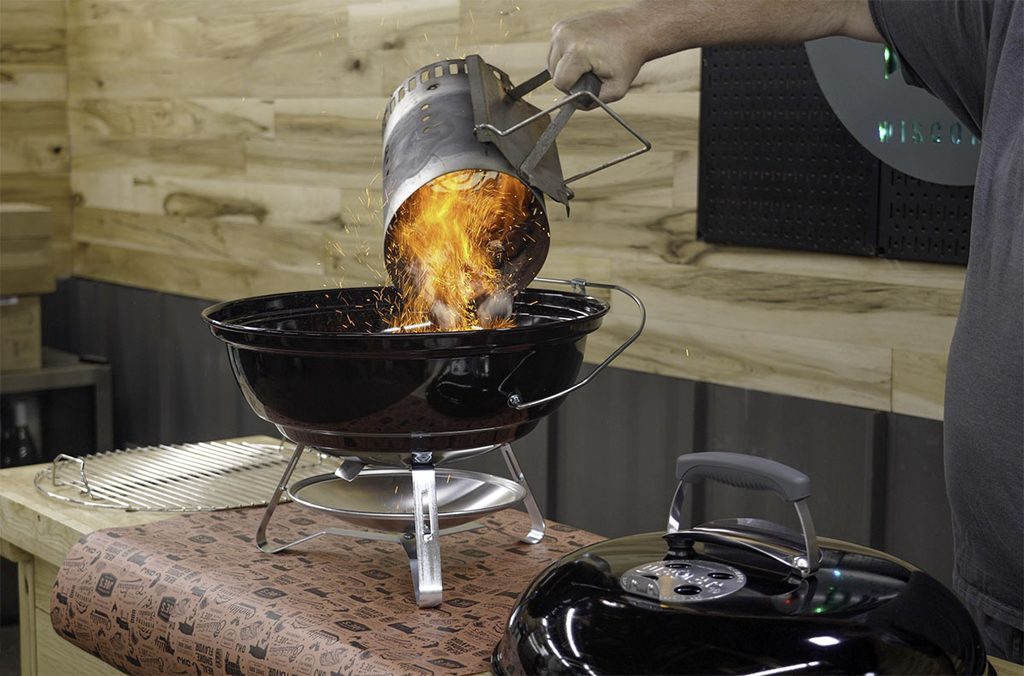
Lighter fluid isn’t the problem. Putting food on before it has fully burned off is.
Unburned fluid ends up in the smoke and on the meat. Squirting more onto coals that are already lit is worse, because the flame can travel back up the stream.
Match-light charcoal has the same issue on a long cook. Every fresh briquette that catches releases another hit of fluid, hours after you started.
A chimney starter fixes all of it. Fill it, light a couple of fire starters underneath, and in 15 to 20 minutes the top coals are ashed over and ready.
23. Thinking the lid is peeling
Black flakes falling from inside the lid look like paint coming off. They’re not.
The enamel on a Weber doesn’t peel like paint does. What you’re seeing is built-up grease and smoke carbon flaking away.
Brush the inside of the lid every few cooks and it stops dropping onto your food.
22. Grilling with coals wall to wall
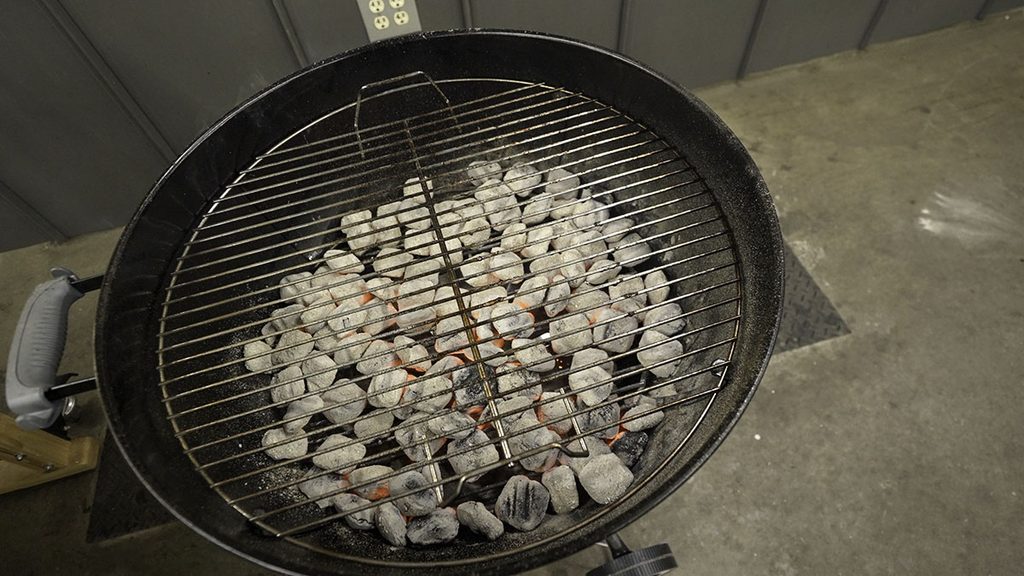
Spreading charcoal across the entire bottom means every inch of the grate is direct heat. There is nowhere to go when something is cooking faster than the rest.
Leave one side empty. When a brat or burger is done early, slide it over and it stops cooking while you finish the rest.
Charcoal baskets or rails make zones easy to set up every time. A Slow ‘n Sear does the same job with more fuel capacity.
21. Leaving last week’s ash in the bowl
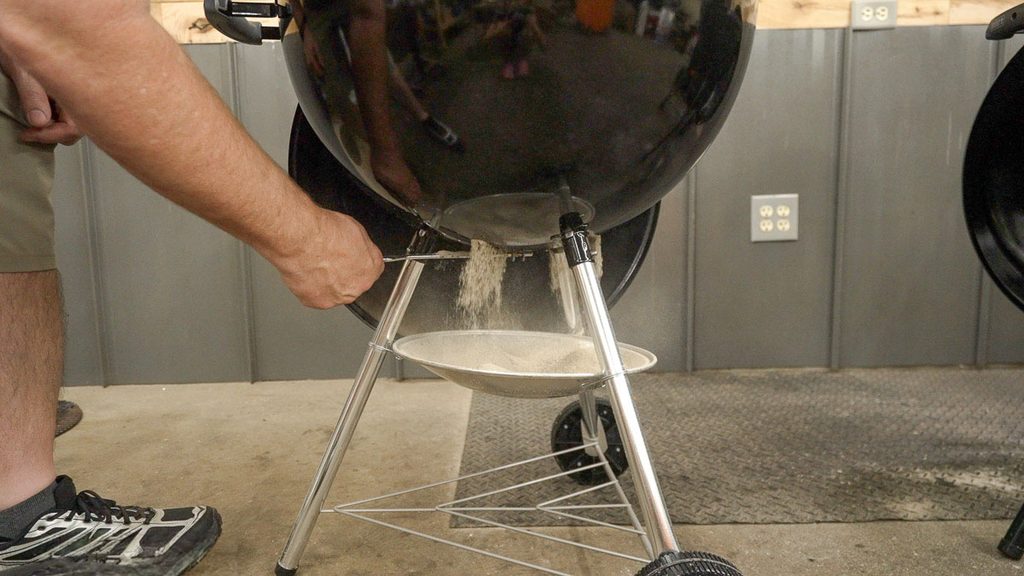
Ash piles up under the charcoal grate and chokes the bottom vent. The fire gets less air than the vent setting suggests, and temperatures sag for no obvious reason.
It also eats the kettle. Ash that gets rained on turns caustic and sits right against the bottom of the bowl, which is exactly where old kettles rust through.
Empty it before every cook, once it’s completely cold.
20. Trusting the lid thermometer
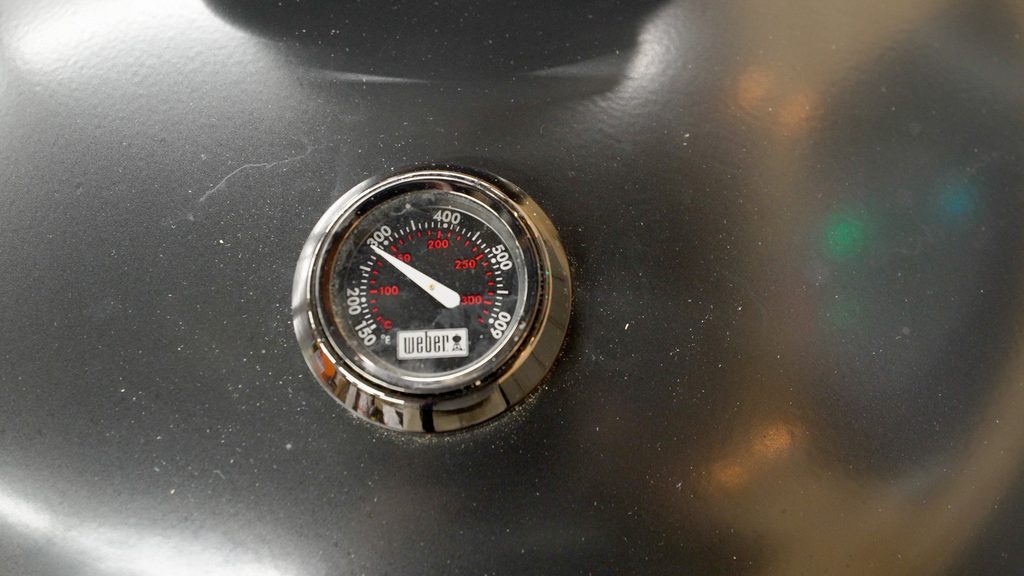
The gauge on the lid measures the air up in the dome. Your food is sitting on the grate, several inches lower and a lot closer to the fire.
On a two-zone setup those two numbers can be 25°F to 50°F apart, and the gap changes depending on which way the lid is turned.
Use the dome gauge to see trends, not as the truth. If it reads 275°F and holds steady, the fire is steady, and that is the useful part.
19. Smoking with wood chips
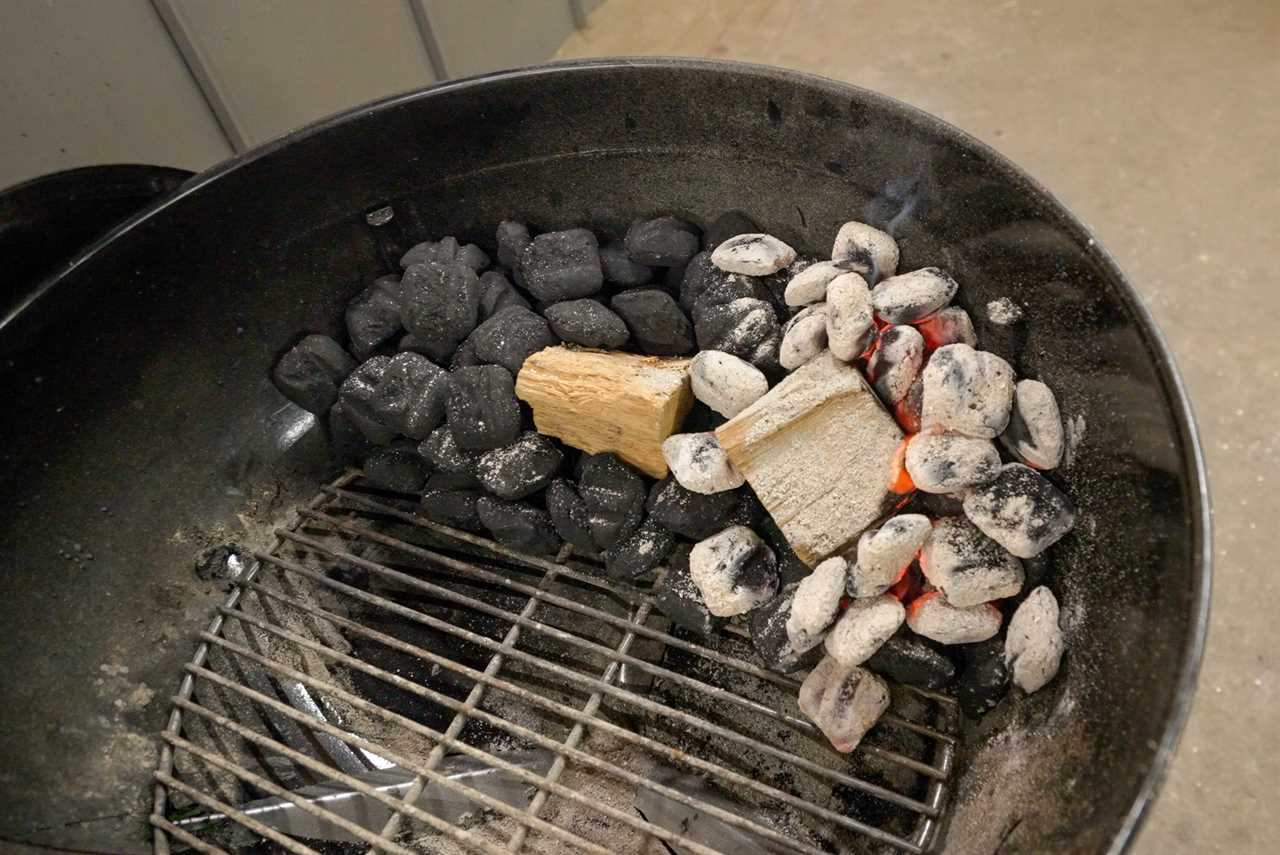
Chips flare up and burn out in minutes. You end up lifting the lid every half hour to add more, which wrecks your temperature every time.
Use kiln-dried chunks instead. They smolder slowly and a few of them cover an entire cook.
Cherry and hickory are great on pork. Post oak is the classic on beef.
18. Cooking without a probe thermometer
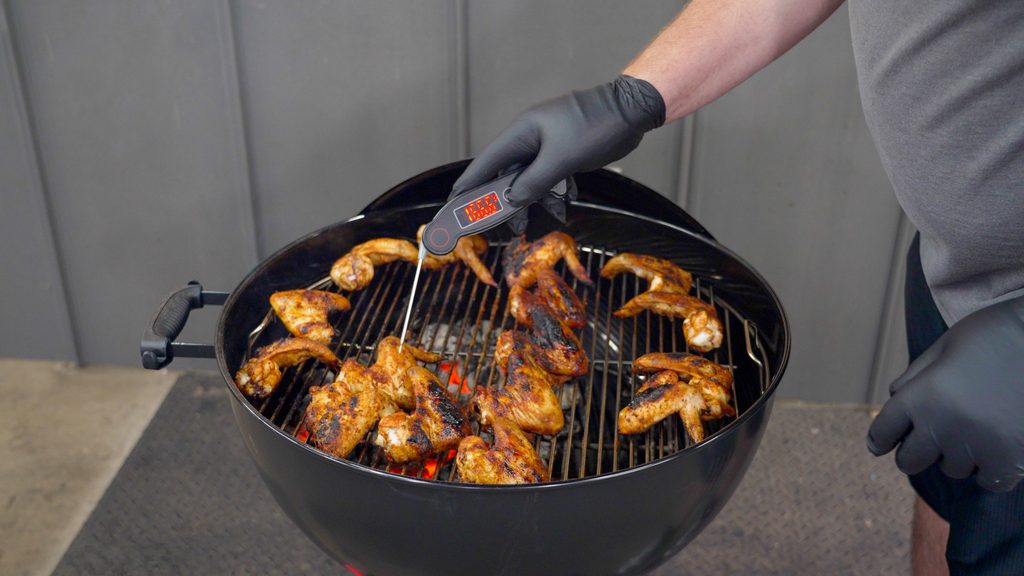
Most of what goes wrong on a kettle comes back to guessing. An instant-read probe is the cheapest way to stop.
It tells you exactly when chicken is safe and when a steak is where you want it. No cutting into it, no poking, no hoping for the best.
For long cooks, a leave-in probe lets you watch the meat without opening the lid. That matters more on a kettle than almost any other cooker.
17. Steering with the wrong vent
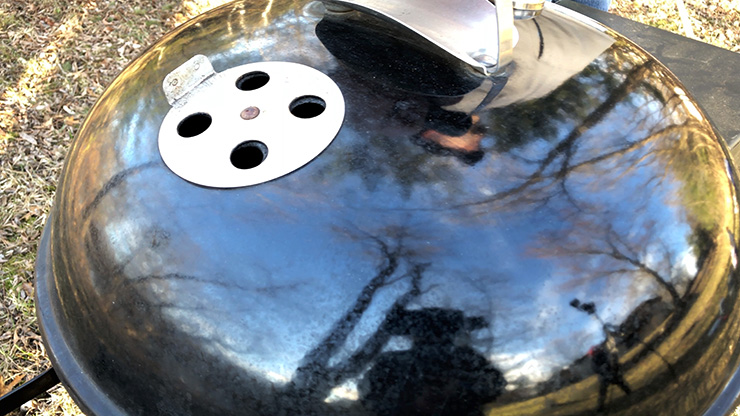
Beginners tend to treat both vents the same. They aren’t.
Think of the bottom vent as the gas pedal. It feeds air to the fire and does the heavy lifting.
The top vent is the steering wheel. It’s there for fine tuning.
For 250°F to 275°F, a good starting point is the bottom vent about a quarter inch open and the top about two-thirds closed. That leaves room to open up or close down either way.
When grilling, leave both wide open.
16. Putting food on the moment the coals go in
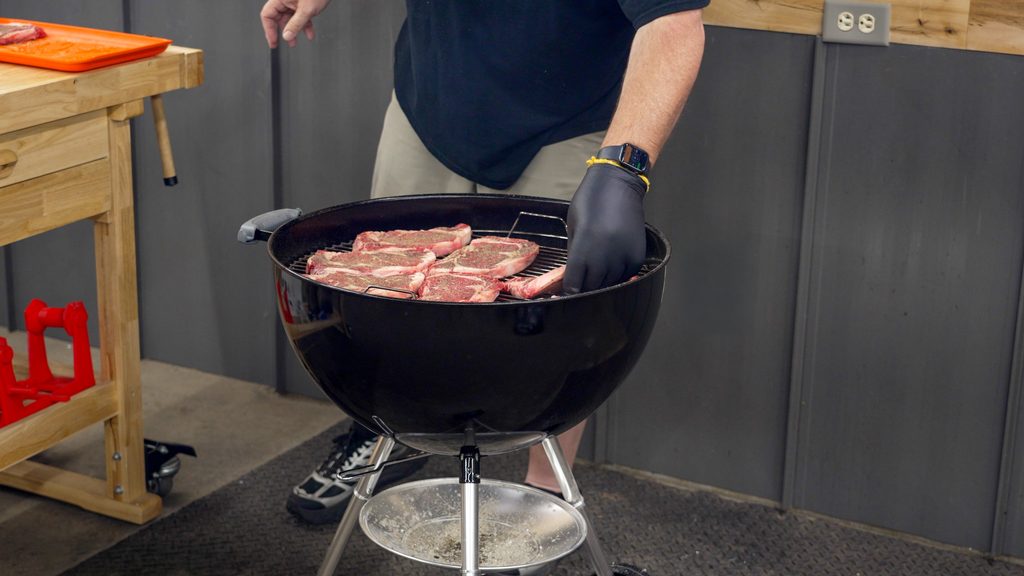
A freshly lit kettle is still finding its temperature. Load it straight away and you’ll spend the first hour chasing swings.
For low and slow, give it about 15 minutes with the lid on and the vents set. Once the dome holds steady around 275°F, the meat goes on.
For a hard sear, open the vents fully and preheat with the lid on for 10 to 15 minutes. The grate gets properly hot and the steaks get the crust they deserve.
15. Using lump charcoal for low and slow
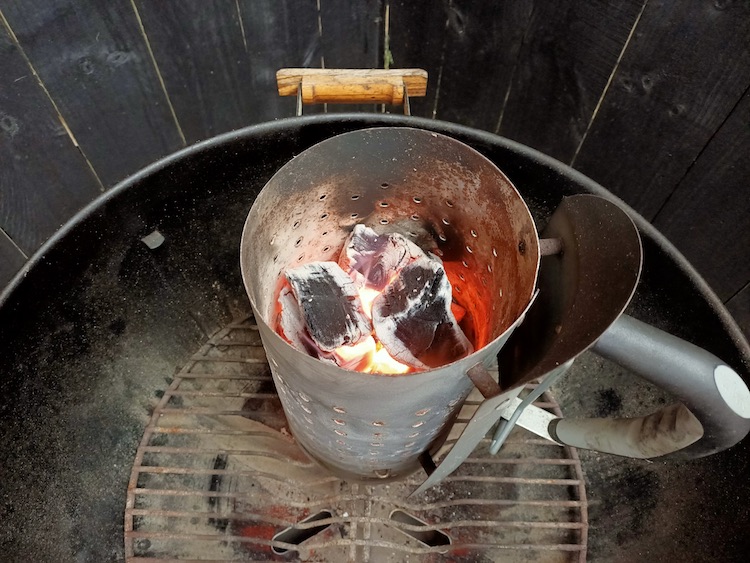
Lump is great for grilling. It lights fast and burns hot.
It also burns unevenly and runs out quickly. On a long smoke you’ll be refueling far more often.
Briquettes are uniform, predictable, and last longer for the same amount in the kettle. For low and slow, that consistency wins.
14. Panicking over 25 degrees
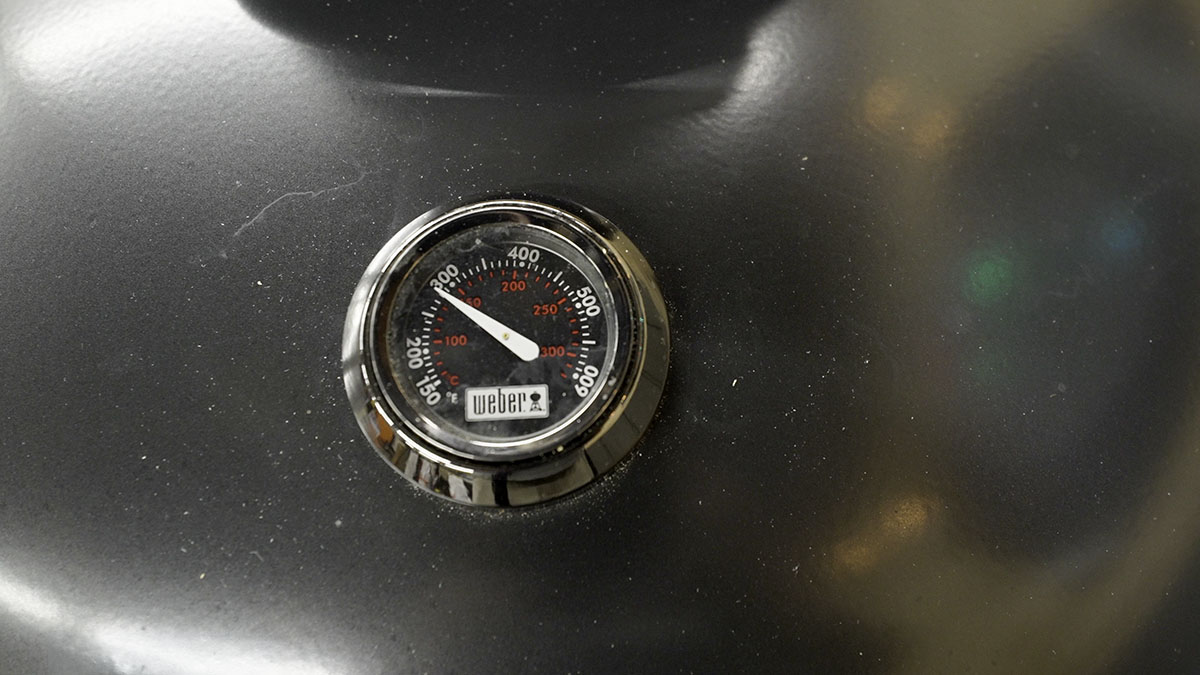
Panicking at 275°F when you wanted 250°F leads to constant vent fiddling, and constant fiddling makes the temperature swing even more.
Twenty-five degrees either way makes very little difference to the finished meat.
Make one small adjustment, then wait 15 to 20 minutes before you touch anything else. A kettle responds slowly.
13. Skipping the drip pan
Fat rendering out of a pork butt or brisket drips straight into the bowl. It smokes and it flares.
On a 12-hour cook, a pool of rendered fat sitting right under the meat is a grease fire waiting to happen.
Set a foil pan under the meat on the indirect side. It catches the drippings and keeps the bowl cleaner.
Add a little water to it and it also helps hold the temperature steady, which is useful on a cooker this small.
12. Lifting the lid too often
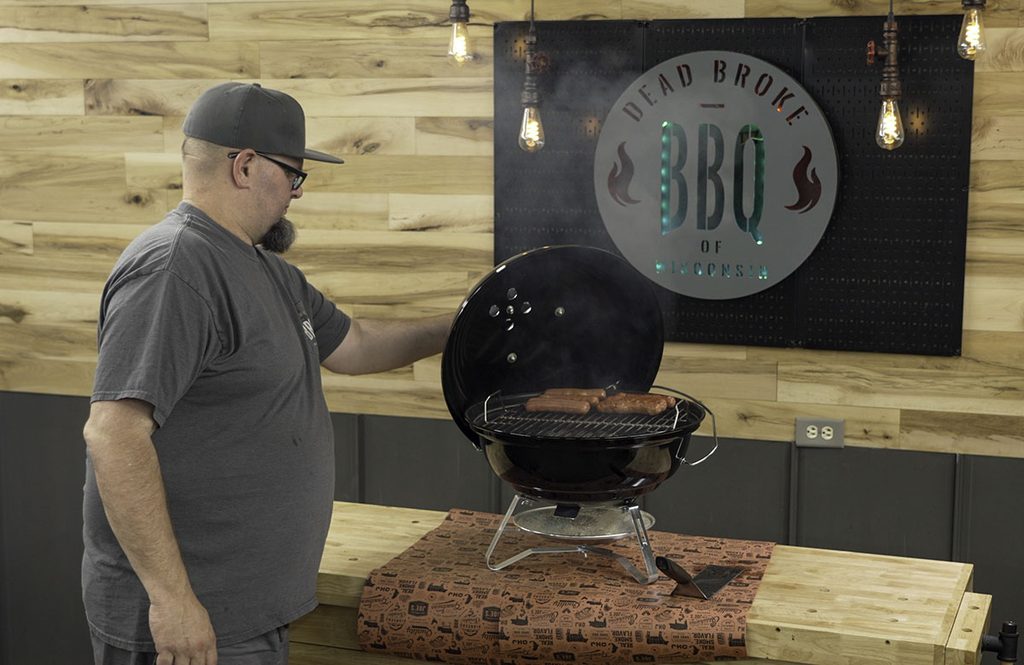
If you’re looking, you ain’t cooking. And on a kettle, it’s worse than just lost heat.
Lift the lid and the fire gets a rush of fresh oxygen. When the lid goes back on, the temperature spikes.
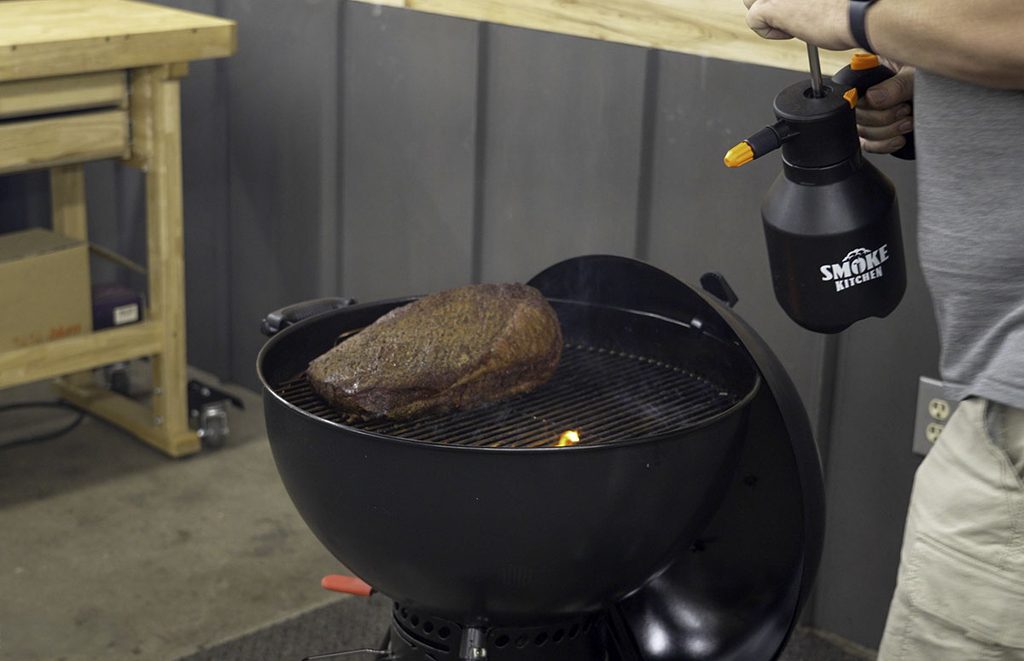
Leave it closed for the first two hours. When you do check, have the spritzer ready and get the lid back on fast.
A light spritz on the coals themselves will also calm the fire down a little if you’ve caused a spike.
11. Buying the wrong kettle for how you cook
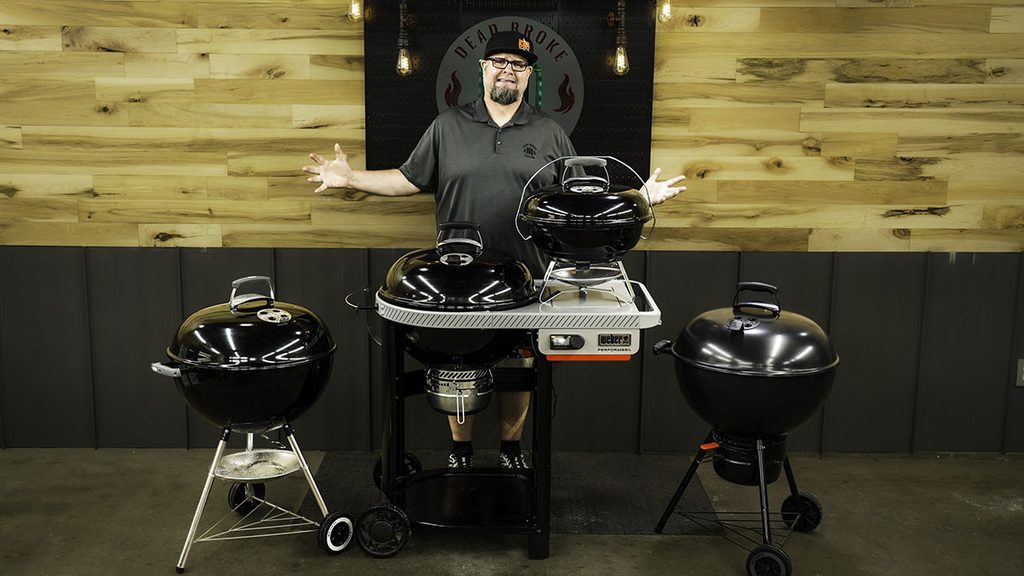
Kettles look alike, but the models are built for different jobs.
A Jumbo Joe is light, 18 inches across, and plenty for two people grilling. The basic 22-inch kettle feeds a family and can still smoke a rack of ribs.
If you plan on doing real low and slow work, step up to the Premium. You get a lid thermometer and the larger ash catcher, and you’ll be glad of both on a long cook.
The Performer adds a cart and work table. The newer version with a fan and controller does most of the fire management for you, which is the easiest way into kettle smoking there is.
10. Piling on the wood
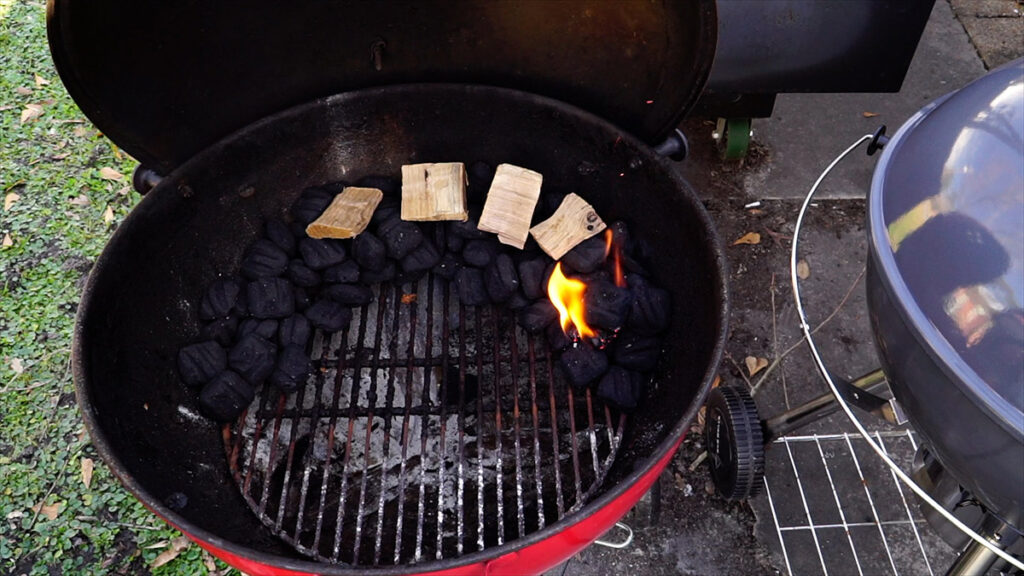
The cooking chamber on a kettle is small and tight. Smoke concentrates fast.
Too much wood gives you bitter, acrid meat, and once it’s over-smoked you can’t undo it.
Two or three fist-sized chunks are plenty for a brisket or a rack of ribs. Start light. You can always add more on the next cook.
09. Dumping ash too soon
Ash that looks cold can still hide live embers for a day or more. I know you want to get everything cleaned up so you can go inside and watch the game but trust us, if you tip it into a the bin you’ve got a fire going.
It happens every summer.
Wait until it’s completely cold, I usually go for the next day, then use a metal can with a lid.
08. Ignoring the wind
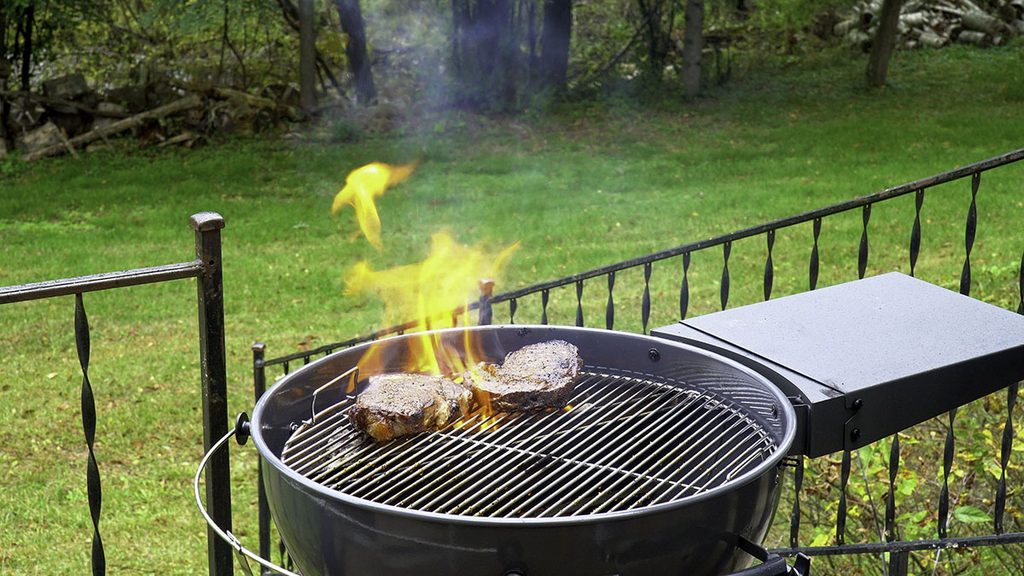
The same vent settings that hold 275°F on a still day can run much hotter in the wind. Wind forces extra air through the vents.
On a breezy day, close the vents down more. On a hot, humid, still day, you may need them open a little wider.
Note your settings and the weather in your phone after each cook. After a few cooks you’ll have your own reference chart.
07. Leaving it uncovered
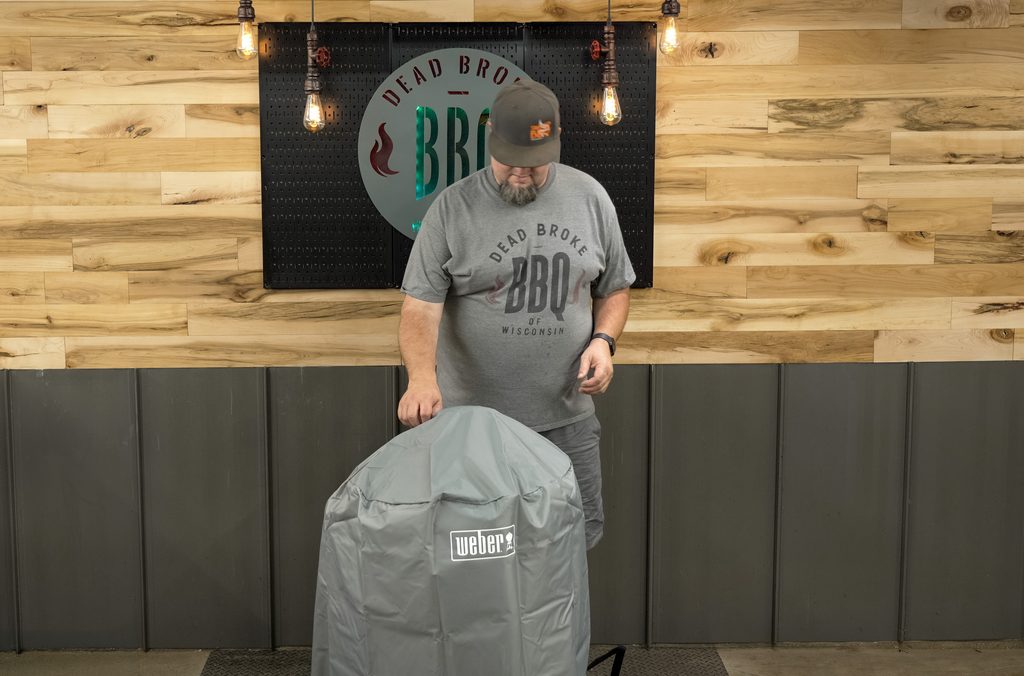
Kettles are porcelain-enameled and tough. But sun, rain, and grime still take a toll.
A cover costs under $25 and adds years of life. Even an extra three or four years is easily worth it.
Just make sure you wait until the kettle is cool before covering it.
06. Shutting the top vent too far
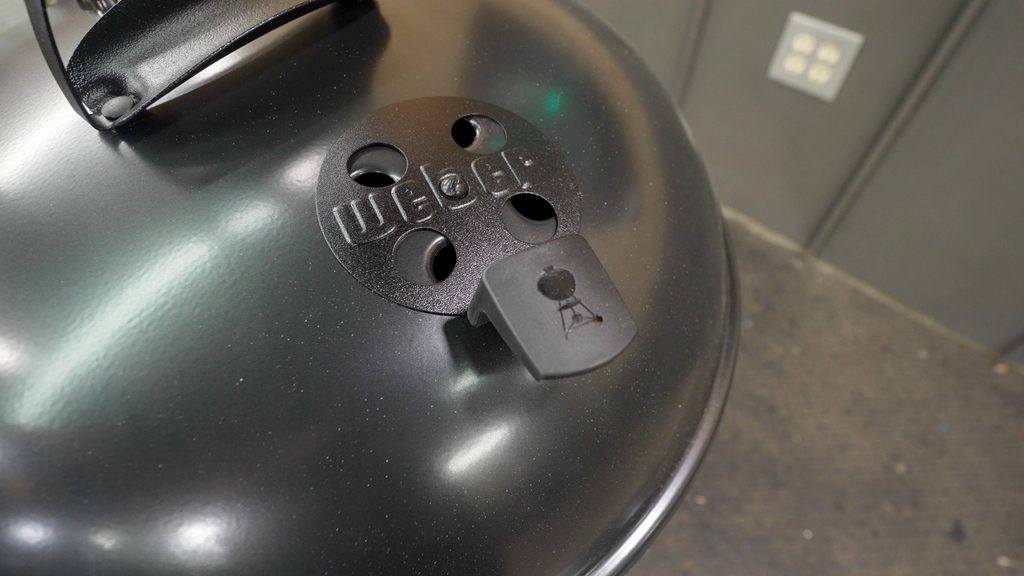
It’s tempting to close the top vent right down to lower the temperature. Think of the top vent like an exhaust pipe. If it’s closed too far then the smoke can’t get out.
Stale smoke hangs around the meat and turns it bitter. You want thin blue smoke rolling over the meat and leaving, not sitting there.
Keep the top vent at least partly open, and use the bottom vent for the bigger temperature changes.
05. Treating it like a pellet grill
Screenshot
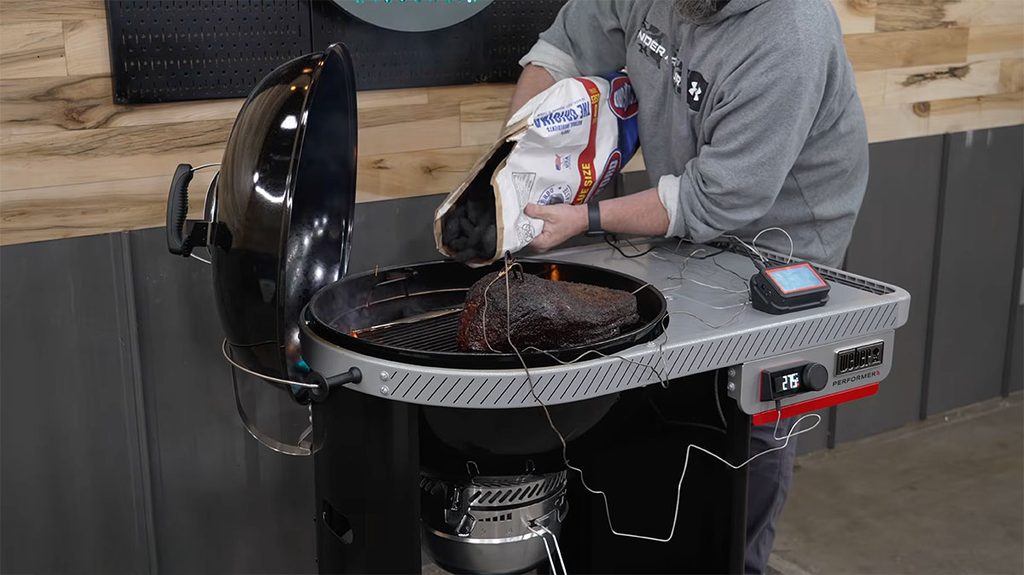
A kettle will run unattended for four or five hours. It won’t run all night on a single load like a hopper-fed pellet grill.
Check your fuel around the four-hour mark. Stir the coals or add more, and spread fresh charcoal out so it lights gradually rather than dumping it in one spot.
On long cooks like brisket, turn the meat 180 degrees halfway through. The side facing the fire cooks faster, and one rotation evens it out.
If you want a longer burn without refueling, set the charcoal up as a snake around the edge of the bowl. It lights one end and burns slowly around.
04. Not shutting it down properly
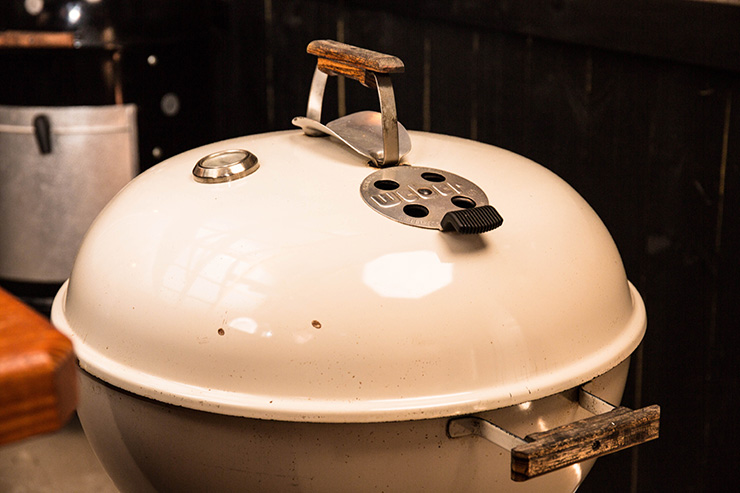
When the food comes off, most people leave the vents open and walk away.
Without taking 10 seconds to properly shut down your grill, the charcoal keeps burning for hours and you end up wasting perfectly good charcoal.
Put the lid on and close both vents all the way. With no air, the fire goes out on its own.
Don’t pour water on the coals to speed it up. It turns the ash into a caustic sludge that sits in the bowl, and cold water hitting hot enamel can damage it.
Leave the kettle where it is until it’s cold. Don’t cover it or roll it into the garage while it’s still hot. Trust us, plenty of grill covers have met an early demise this way.
Shut your grill down properly every time your charcoal bill will plummet as you’ll find half-burned charcoal is still sitting there for next time. Shake off the ash, tip it into the chimney with fresh coals, and you’ve cut your fuel use without trying.
03. Rocketing past 275°F
A full chimney of lit coals is perfect for searing. For smoking, it’s way too much heat.
Once a kettle overshoots, it’s slow to bring back down. You can’t just turn a knob off, and closing the vents to fix it risks stale smoke.
Bank a full pile of unlit charcoal and wood on one side. Then light about 25 briquettes and pour them on top.
The fire spreads into the unlit fuel slowly, and the temperature climbs gently toward 275°F instead of rocketing past it.
02. Putting the top vent over the coals
The top vent pulls heat and smoke toward it. Where it sits decides where they go.
Over the coals, it draws heat straight up and out, and the meat on the other side mostly misses out.
Turn the lid so the vent sits above the meat. Heat and smoke travel across the protein before leaving, which is exactly what you want in a two-zone cook.
01. Only ever grilling burgers on it
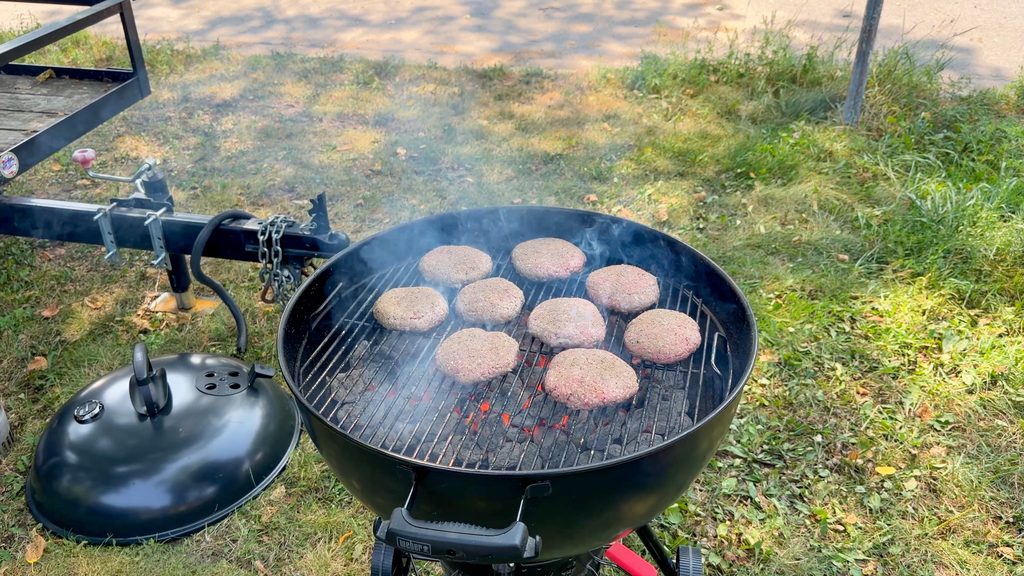
This is the biggest one. Most people never find out their kettle is also a smoker.
Charcoal on one side, meat on the other, the vent over the meat, and a few chunks of wood. That’s the same setup that turns out ribs in four to six hours and a brisket in ten to twelve.
The flavor from charcoal and wood together beats what most pellet grills put out. Plenty of people prefer it to a stick burner.
Buy a rack of ribs this weekend, set it up the way this list describes, and leave the lid shut.
Getting More Out of Your Kettle
The good news, it doesn’t take a lot of skill to avoid most of these mistakes. Just a little knowledge from the folks who have been doing this a long time and have already made most of these mistakes.
We filmed a video going through these so you can make sure you don’t pick up any of the bad habits nobody tells you about when you buy a kettle.
Fix the fire and airflow ones first. Once the setup is right, half the other items stop happening on their own.
One last question on lighter fluid. Do you think it’s fine if you let it burn off, or would you never use it in your kettle? Tell us where you land in the comments.
Did you miss our previous article...
https://manstuffnews.com/backyard-grilling/grilled-carrots-with-maple-glaze
 Backyard GrillingWeekend WarriorsAdvice from DadBeard GroomingTV Shows for Guys4x4 Off-Road CarsMens FashionSports NewsAncient Archeology World NewsPrivacy PolicyTerms And Conditions