Gochujang Ribs: Big Green Egg Smoked Korean Spare Ribs
I was having dinner with a close friend last week and we shared a plate of Korean Hot Wings for the appetizer. I have had plenty of wings in my time, but these were truly off the charts. The balance of heat and sweetness was so perfect that I found myself thinking about that specific sauce for days after our meal at Earl’s.
I knew I had to try my hand at recreating this wonderfully savory and spicy Korean red pepper sauce. While I have posted quite a few chicken wing recipes lately, I really wanted a different vehicle for this bold flavor profile. I decided that a rack of meaty spare ribs would be the perfect canvas. The rich pork fat and the smoky environment of the Big Green Egg provide the ideal foundation for this sauce.
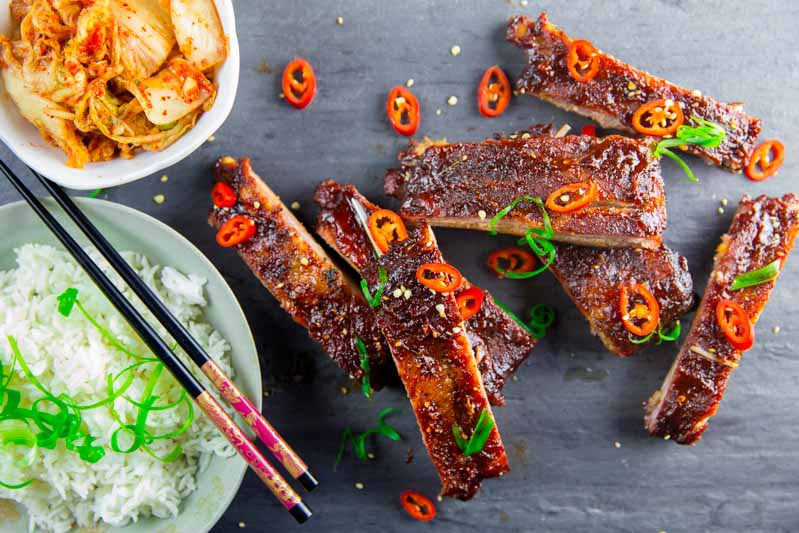
The result is my Gochujang Ribs: Big Green Egg Smoked Korean Spare Ribs. By using the traditional fermented red chili paste as the star ingredient, these ribs achieve a sticky, spicy, and deeply satisfying glaze that stands out from your typical backyard BBQ fare. So, sit back, grab an ice-cold Hite Pale Lager, and enjoy this recipe.
Step 1: Building the Gochujang Glaze
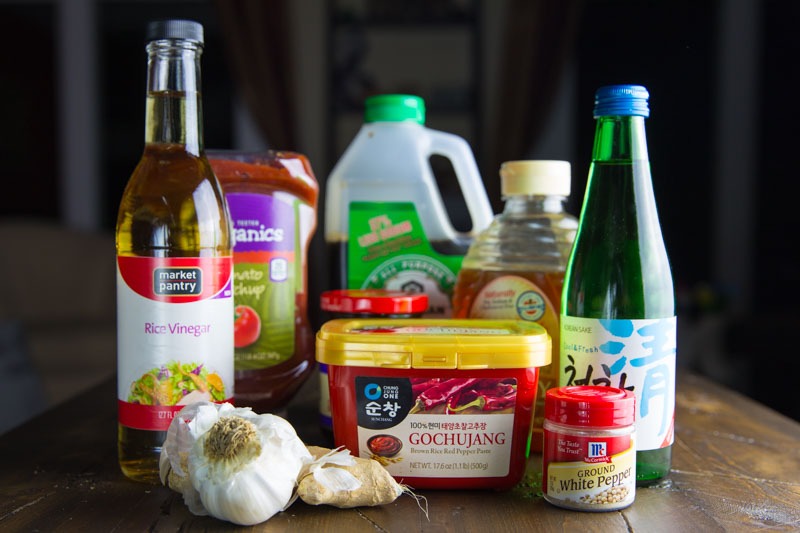
To achieve that perfect balance of sweet and spicy, everything starts with the Gochujang red pepper paste. This thick and pungent paste is a staple of Korean cuisine, and it serves as the foundation for the entire flavor profile. Because it is fermented, it provides a depth of flavor that is far more complex than a standard hot sauce.
The next step was finding the right balance of complementary ingredients to round out the heat. I spent some time tweaking the proportions of the following ingredients to create a glaze that is savory, tangy, and sweet:
- The Sweet: Honey and Ketchup
- The Acid: Rice Vinegar and Korean Rice Wine
- The Savory (Umami): Soy Sauce, Hoisin Sauce, and Fresh Garlic
- The Spice: Fresh Ginger, White Pepper, and the Gochujang base
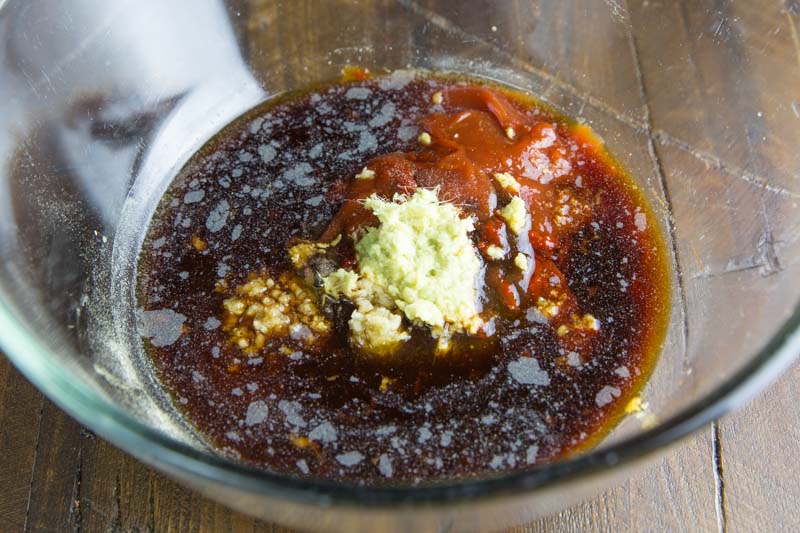
When combined, these ingredients create a thick, vibrant sauce that is designed to stand up to a long smoke. The ketchup and honey are particularly important here because they provide the sugars necessary to create a sticky, finger-licking lacquer on the ribs as they cook.
Pitmaster Note: Controlling the Heat
Gochujang can vary in spice levels depending on the brand you buy. If you are sensitive to heat, start with a bit less of the paste and taste as you go. You want the sauce to have a kick, but it should not overpower the natural flavor of the pork or the smokiness from the Big Green Egg.
Step 2: Prepping and Seasoning the Spare Ribs
After mixing the ingredients into a thick, vibrant BBQ sauce, I turned my attention to the meat. For this recipe, I chose a rack of meaty spare ribs. I prepped the ribs by removing the silver skin from the back to ensure the smoke and seasoning could penetrate the meat from both sides.
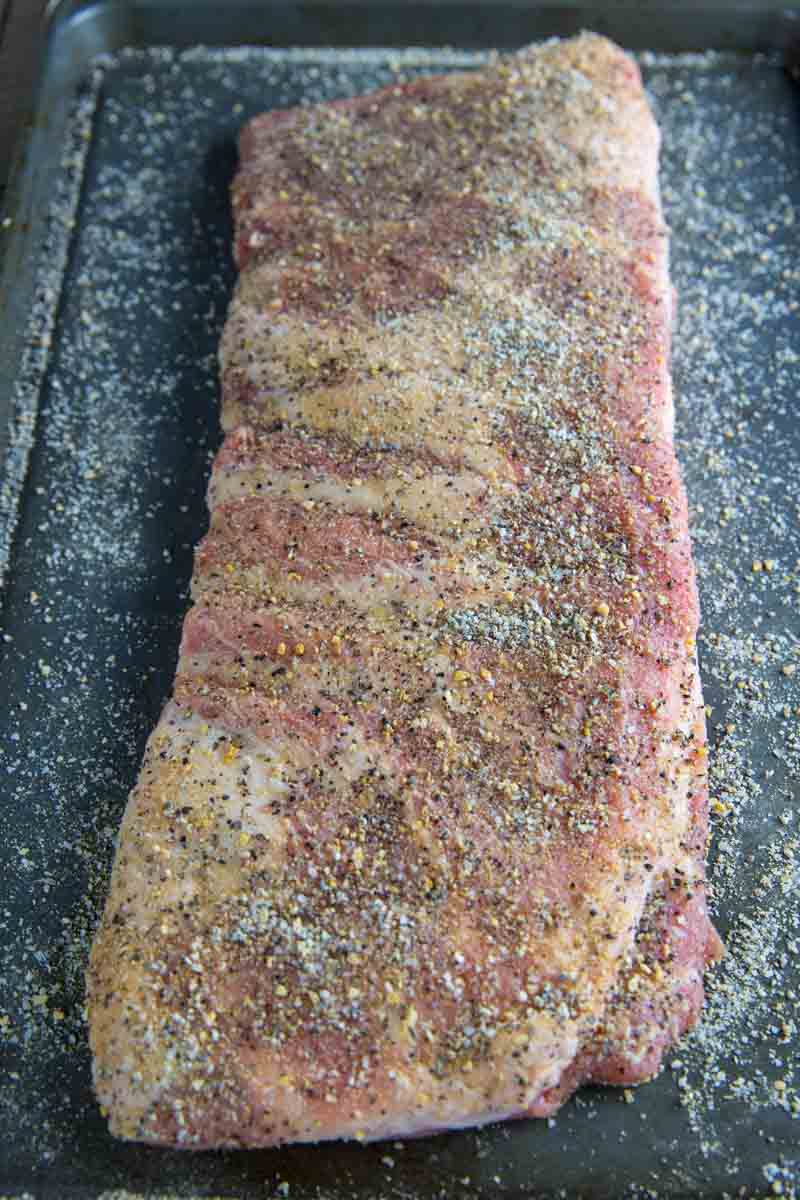
Once the ribs were trimmed, I covered them with a generous coating of Sucklebusters SPG (Salt, Pepper, Garlic) rub. I chose to keep the dry rub simple because I did not want a complex spice profile competing with the bold, fermented flavors of the Gochujang sauce. The SPG provides a solid savory foundation that enhances the pork without getting in the way of the star of the show.
Choosing the Right Rub
If you do not have Sucklebusters on hand, you have a few great options to ensure your ribs are seasoned perfectly:
- Commercial Alternatives: Any high-quality, coarse-ground SPG rub will work well. Look for brands like Loot N’ Booty or Big Poppa Smokers that offer a balanced ratio of salt to pepper.
- The DIY Buddha Rub: If you want to make your own “house” SPG, the formula is simple. Mix one part Kosher salt, one part coarse ground black pepper, and half a part granulated garlic. This ratio is the “secret sauce” for many professional pitmasters because it works on almost everything.
- A Spicy Alternative: If you want to lean into the heat even more, you could use a rub that contains a hit of cayenne or chipotle powder, though I recommend sticking to the basics to let the Korean glaze shine.
Step 3: The Big Green Egg Setup and First Phase of Smoke
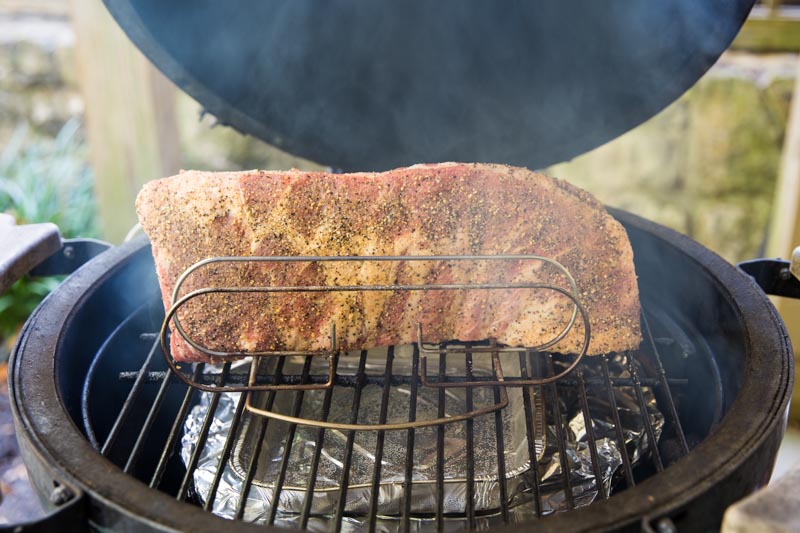
With the ribs seasoned and the sauce ready, it was time to fire up the Large Big Green Egg. For this cook, I set up the Egg for indirect cooking using the convEGGtor. I also placed a drip pan filled with water on top of the convEGGtor and beneath the cooking grid. This setup is crucial because the water pan adds moisture to the cooking environment, which helps the ribs stay tender and prevents the exterior of the pork from drying out during the long smoke.
I stabilized the dome temperature at 250°F. For the smoke profile, I chose a single large chunk of Hickory. While hickory is a bold wood, using just one chunk provides a clean, distinct smokiness that pairs beautifully with the savory soy and garlic notes in the Korean glaze without becoming overwhelming.
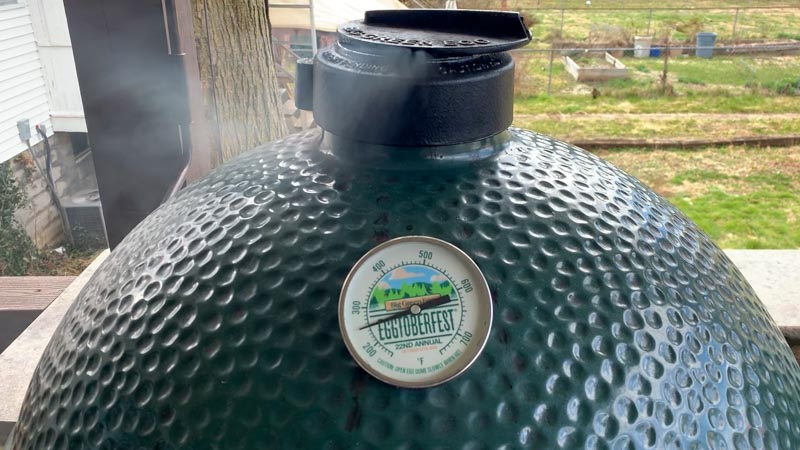
Once the temperature was steady and the smoke was running thin and blue, I placed the ribs on the grid. I let them smoke undisturbed for 3 hours at 250°F. During this initial phase, the SPG rub forms a beautiful crust (or bark) and the meat begins to take on that deep, smoky flavor from the hickory.
Step 4: The Wrap and the 3-1-1 Method
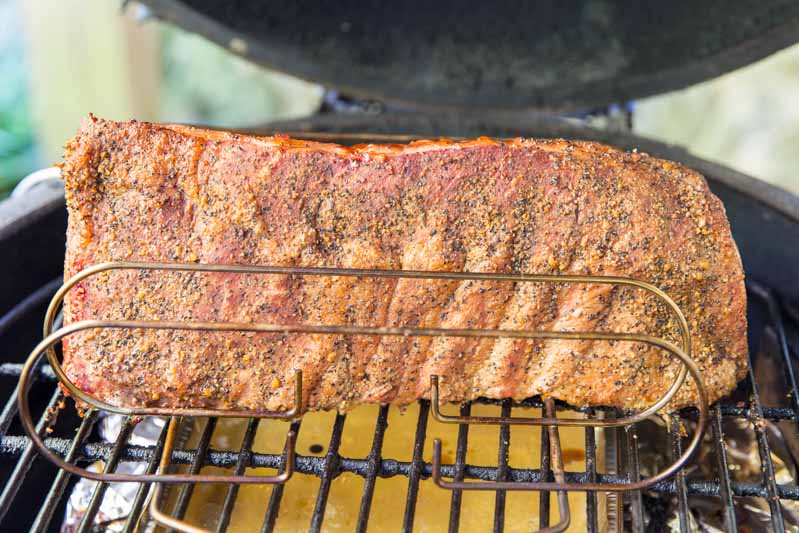
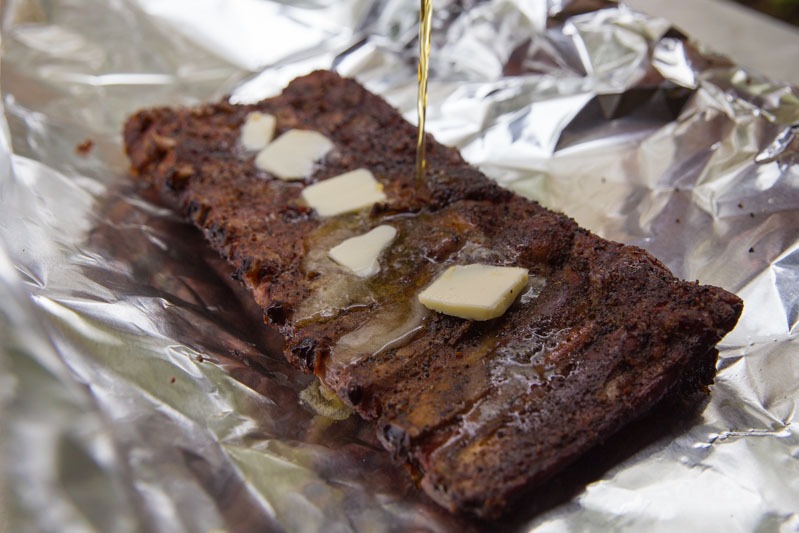
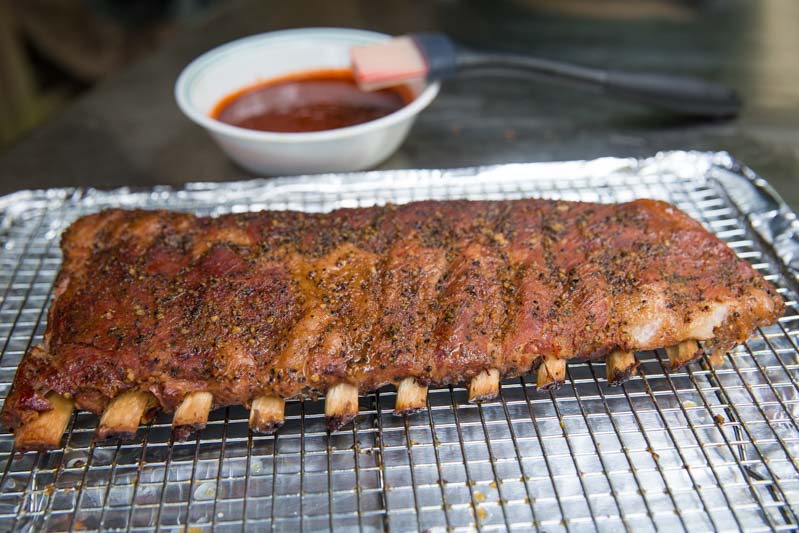
At the three-hour mark, the ribs had developed a beautiful mahogany color and a solid crust. Now it was time to move into the second phase of the cook. I pulled the ribs from the Big Green Egg and laid them out on a large sheet of heavy-duty aluminum foil.
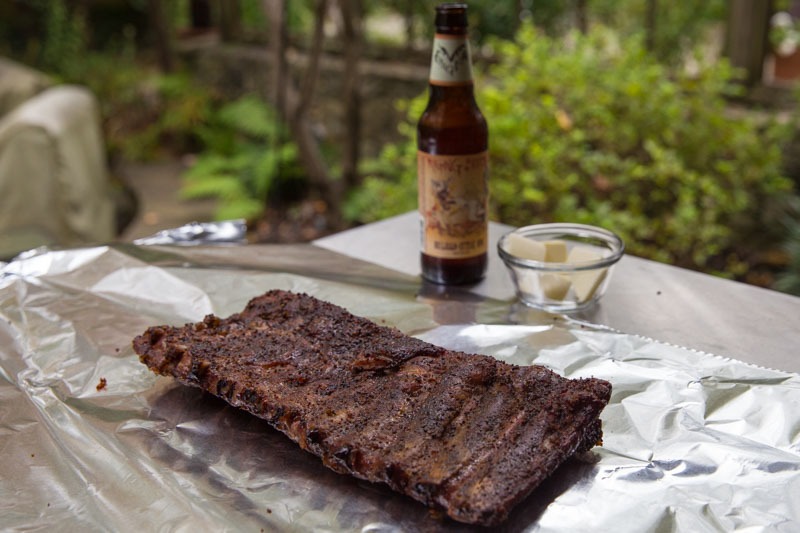
I placed the rack meat side down on the foil and added a few pats of butter and a 1/4 cup of beer. The beer adds a subtle malty note and provides the necessary liquid to steam the ribs, while the butter adds a rich, velvety mouthfeel to the finished product. I sealed the foil tightly to create an airtight pouch and put them back in the Egg for one hour at 250°F.
My Take on the 3-2-1 Method
Most BBQ enthusiasts are familiar with the “3-2-1 method” (3 hours of smoke, 2 hours wrapped, 1 hour sauced). However, for this recipe, I prefer a modified 3-1-1 approach.
By cutting the wrap time down to just one hour, you ensure the meat becomes tender and pulls away from the bone without becoming “mushy.” This is especially important for spare ribs, as they have a bit more fat and substance than baby backs. You want that perfect “competition bite” where the meat comes off the bone cleanly but still has a slight, satisfying tug. This shorter wrap time also ensures the bark we built in the first three hours stays intact rather than dissolving in the liquid.
Step 5: The Final Glaze and the “Set”
After an hour in the foil, the ribs were perfectly tender. You can tell they are ready when the meat has started to pull back about a half-inch from the ends of the bones. I carefully removed them from the foil pouch, being mindful of the hot steam, and placed them back onto the cooking grid.
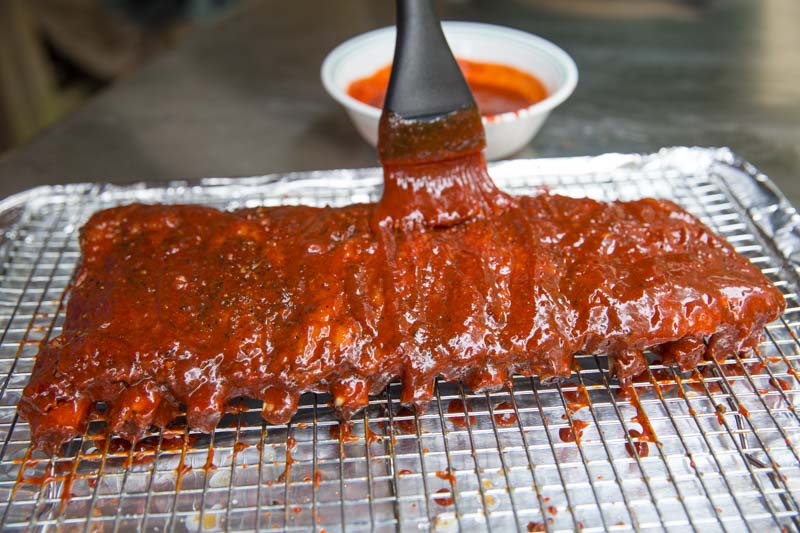
Now comes the best part: the glaze. I brushed a generous layer of the Gochujang BBQ sauce over the top and sides of the rack. To help that sauce transform into a sticky, professional-grade lacquer, I bumped the Big Green Egg temperature up to 300°F.
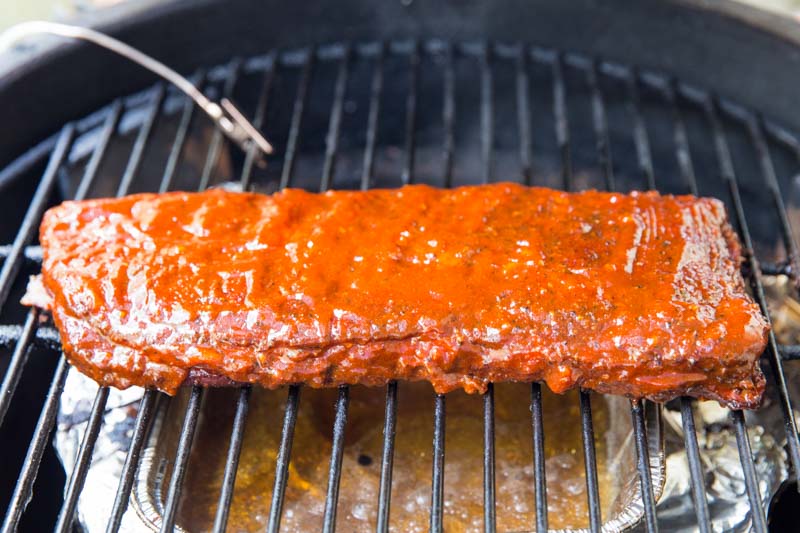
The ribs went back in for one final hour. This higher heat is the secret to a great rack of ribs because it allows the sugars in the honey and ketchup to caramelize, while the Gochujang deepens into a rich, dark red crust. This final hour is not just about cooking the meat; it is about building that “tacky” texture that makes Korean-style BBQ so addictive. Keep an eye on them during this stage to ensure the sauce is tightening up beautifully without burning.
Step 6: The Finish and the Full Korean Experience
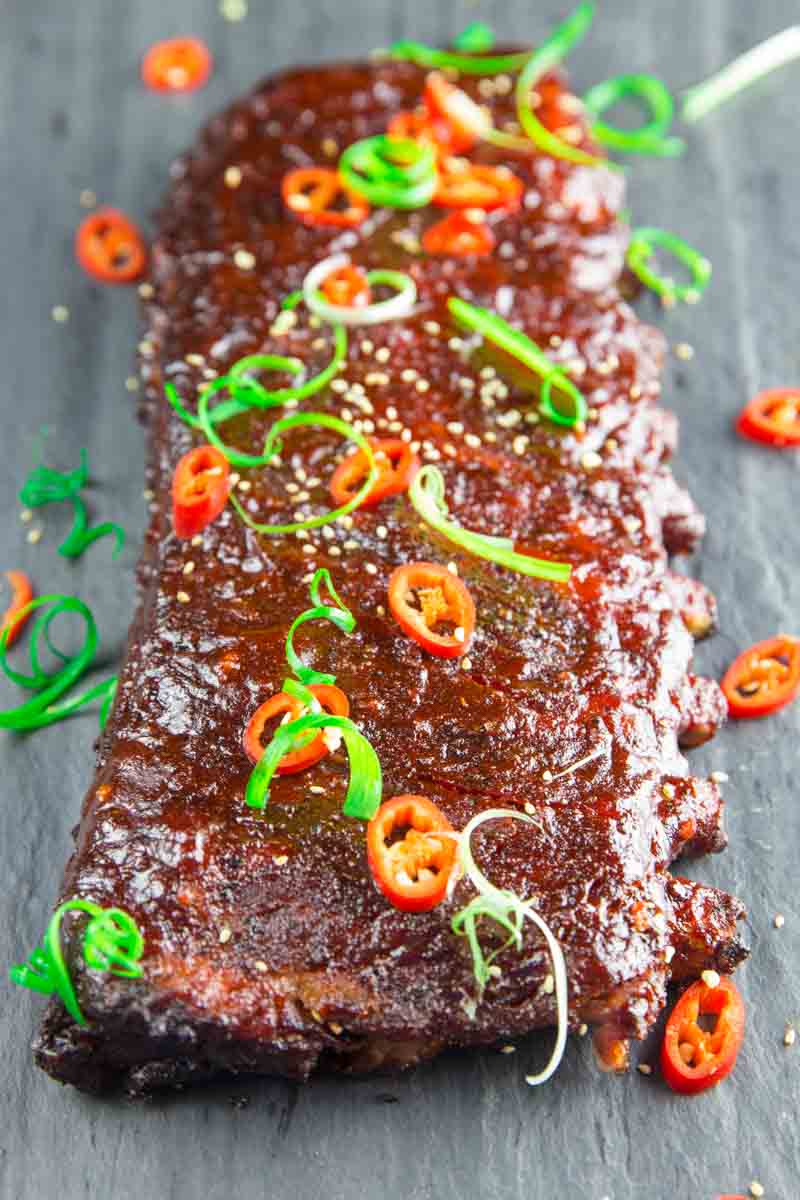
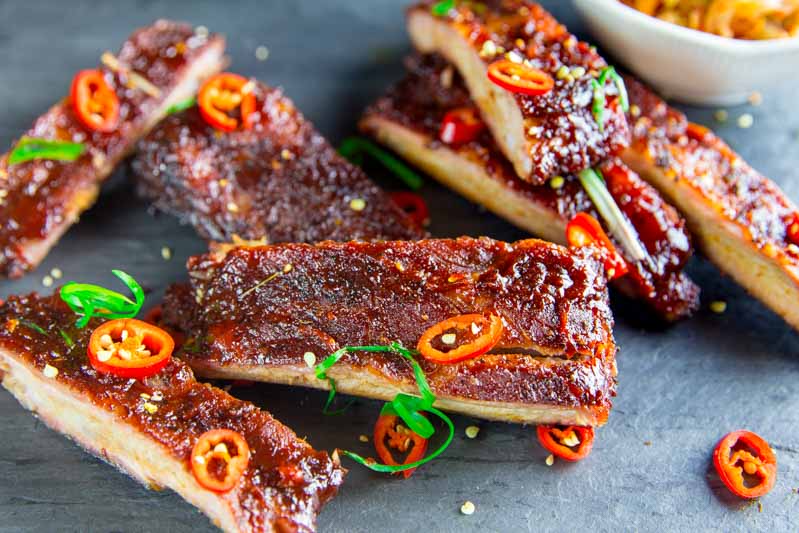
After an hour at 300°F, the ribs looked incredible. The Gochujang glaze had tightened into a beautiful, sticky lacquer that clung to the meat. I did one final check for doneness by using the toothpick test. I was able to slide a toothpick into the meat between the bones with almost no resistance, a sign that the connective tissue had fully broken down.
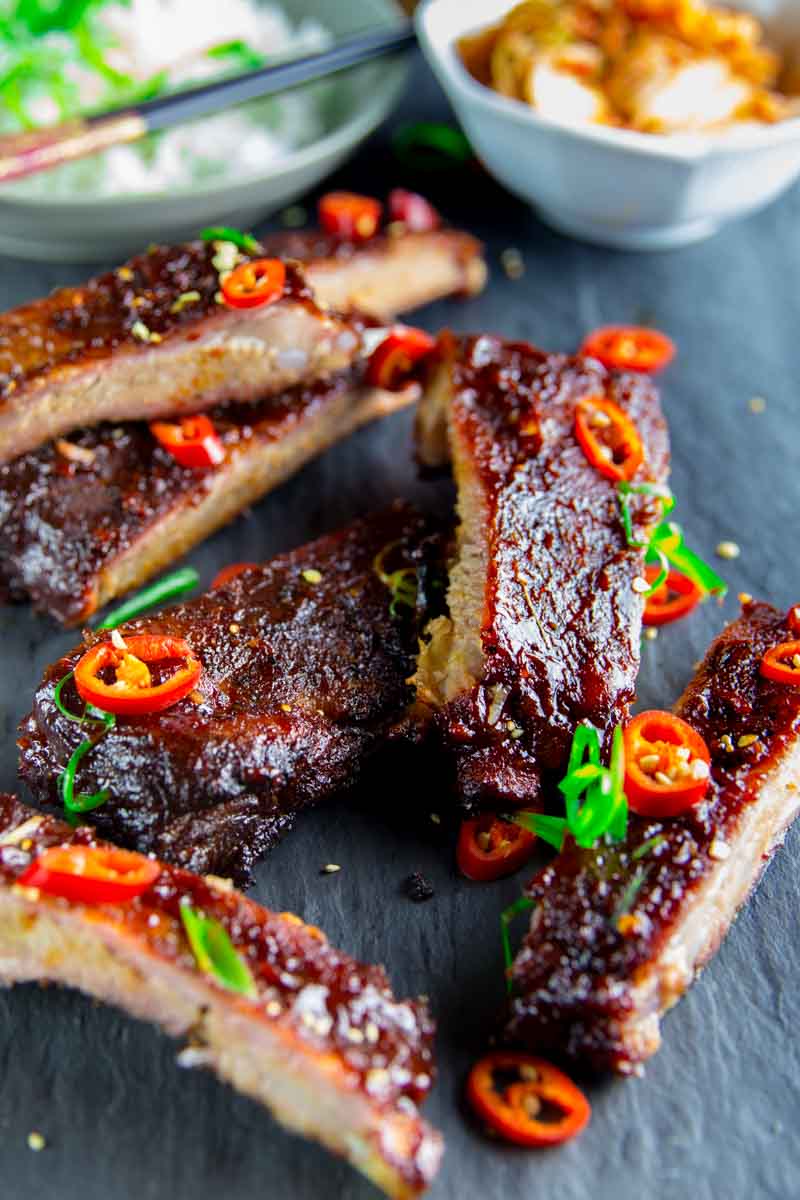
The meat had pulled back nicely from the bones, exposing just enough of the tips to show they were perfectly cooked. It was finally time to pull them off the Big Green Egg, let them rest for a few minutes to allow the juices to redistribute, and then slice them into individual bones.
To round out the meal, I served the ribs with a side of spicy kimchi and some authentic sticky rice. The acidity of the kimchi cuts through the richness of the pork, creating a perfectly balanced plate. This was an excellent meal and one you should absolutely try for yourself. I am already planning my next cook because this sauce is too good to only use once. I will be using it on wings very soon; that I can promise you!
Print
Gochujang Ribs: Big Green Egg Smoked Korean Spare Ribs
This recipe for Gochujang Ribs: Big Green Egg Smoked Korean Spare Ribs is so delicious you will wish you had more when they are gone. Sweet and savory with the right amount of heat these ribs are fantastic.
Course Main
Cuisine Korean
Keyword Big Green Egg, Gochujang, korean food, Spare Ribs
Prep Time 20 minutes minutes
Cook Time 5 hours hours
Total Time 5 hours hours 20 minutes minutes
Servings 4
Author The BBQ Buddha
Spare Ribs Ingredients:
- 2 racks pork spareribs trimmed and membrane removed
- 1/2 cup SPG Rub
Gochujang Glaze Ingredients:
- 1 cup Gochujang Red Pepper Paste
- 1/2 cup ketchup
- 1/2 cup honey
- 1/4 cup soy sauce
- 1/4 cup rice vinegar
- 1/4 cup Korean Rice Wine Mirin
- 2 tbsp hoisin sauce
- 2 tbsp fresh ginger finely grated
- 4 cloves garlic finely grated
- 1 tsp ground white pepper
Wrap Ingredients:
- 8 tbsp butter cut into pats
- 1/2 cup beer lager preferred
Prepare the Sauce: Whisk all the sauce ingredients in a medium bowl until the mixture is smooth and uniform. Set this aside to let the flavors meld while you prep the meat.
Season the Ribs: Trim your spare ribs and remove the silver skin from the back. Apply a generous coating of the SPG rub to both sides of each rack.
Fire Up the Egg: Set your Big Green Egg for indirect cooking using the convEGGtor and a drip pan filled with water. Stabilize your temperature at 250°F and add one large chunk of Hickory for a clean smoke profile.
The First Smoke: Place both racks of ribs on the grid. Let them smoke undisturbed for 3 hours to build a solid bark and absorb that hickory flavor.
The Wrap (3-1-1 Method): Remove the ribs from the Egg. Lay out two large sheets of heavy-duty aluminum foil. Place each rack meat side down on its own sheet. Add 4 pats of butter and 1/4 cup of beer to each foil packet. Seal them tightly and return them to the Egg for 1 hour at 250°F
The Glaze: Carefully remove the ribs from the foil and place them back on the cooking grid. Brush a thick layer of the Gochujang sauce over the top and sides of both racks.
The Final Set: Increase the Egg temperature to 300°F. Cook the ribs for 1 final hour. This higher heat is what caramelizes the sugars in the glaze and creates that signature sticky texture.
Test and Serve: Use the toothpick test to ensure the meat is tender. Once the ribs have a beautiful mahogany crust and the meat has pulled back from the bones, remove them from the grill. Let them rest for 10 minutes before slicing.
The post Gochujang Ribs: Big Green Egg Smoked Korean Spare Ribs appeared first on The BBQ Buddha.
 Backyard GrillingWeekend WarriorsAdvice from DadBeard GroomingTV Shows for Guys4x4 Off-Road CarsMens FashionSports NewsAncient Archeology World NewsPrivacy PolicyTerms And Conditions