
We take a whole packer brisket, which means having both the flat and the point, trimmed it and then seasoned it with a SPG rub. The brisket went onto a charcoal grill utilizing two zone grilling, with hot coals and smoke wood on one side, and nothing on the other cool side. The brisket was hickory smoked indirect for many hours before being wrapped in butcher paper with some beef tallow. After another couple hours in the heat, the brisket went into a Cambro for 2 hours. Two hours of resting in the Cambro completes this indirect smoked brisket recipe.
Brisket is beyond maddening. We have a thin flat muscle, appropriately called, “the flat.” On top of that is a highly marbled muscle called, “the point.” Getting these two muscles done at the same time makes brisket the king of all BBQ both in terms of taste and difficulty level. Let’s add to the fact that the brisket is basically the cow breast and moves every time the cow takes a step making it really tough. So it takes hours and hours of low and slow smoke to get it tender and yet stay juicy. And don’t get me started on the stall, when the gradual temperature climb of the brisket simply levels off and stays stagnant for seemingly hours. But if you get it right, it’s absolutely glorious. Keep reading to see how I cooked this beauty on a gas/charcoal/real wood hybrid grill.
If you are doing some brisket research and are comparing a bunch of recipes, we completely understand. Let us help with the navigation of that rabbit hole few more of our brisket recipes:
- Brisket Made Easy
- Butcher Paper Brisket
- Beef Tallow Brisket – a Side by Side Experiment
- Should You Dry Brine Brisket – Another Side by Side Experiment
Indirect Smoked Brisket Recipe Ingredients
- 1 whole packer brisket
- SPG seasoning (salt pepper garlic), divided
- Beef tallow
- Pink Butcher Paper
- 1 Cambro or empty cooler/old towel
Prep the Brisket
I should probably do an entire post just on trimming a brisket. But I’m nutty about it. Once I start trimming, I get down to where I should be done but I maniacally keep trimming little bits here and there. My best advice is to cut most of the fat cap off, but to leave a decent layer of it. Like maybe a half inch. Remove the thin edges if it tapers too much. That thin stuff will dry out well before the brisket is done so it’s going in the trash either way.
And in all honesty, I didn’t trim this one at all. I’ve never done that. And I may never trim another brisket again. I’m not competing. I’m not getting any extra points for it being a perfect oval or losing points because there’s a little too much fat cap on there. That extra fat protects the beef from too much heat.
Here she is:
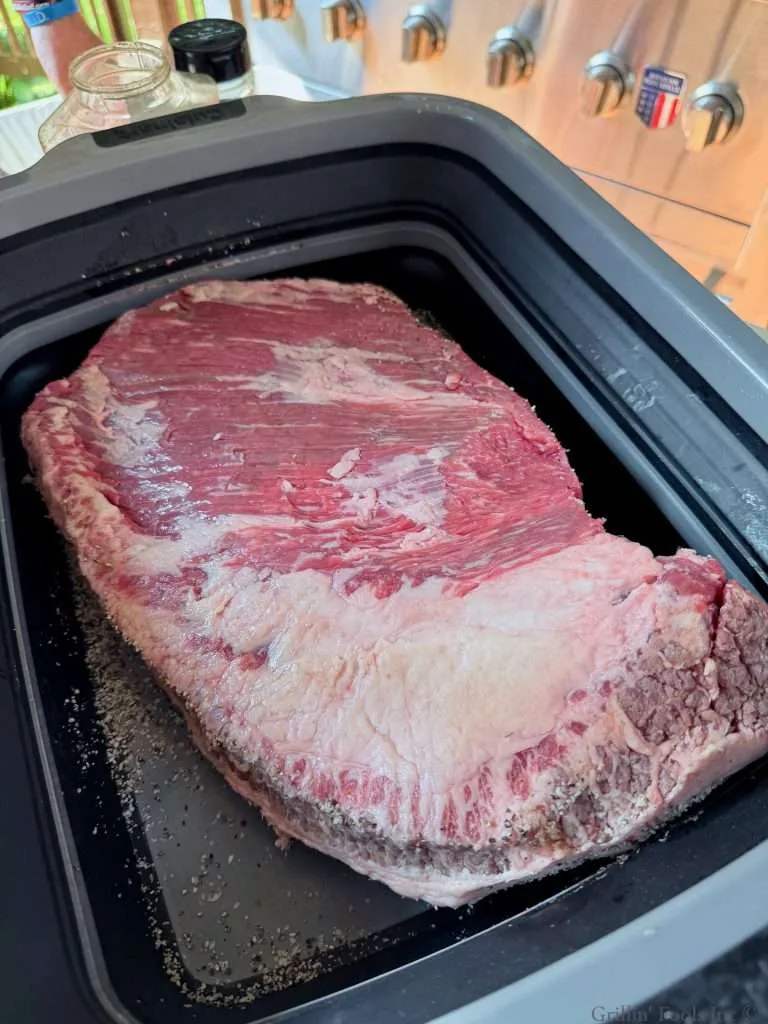
Once the brisket is trimmed up (or not), coat it heavily with the SPG seasoning:
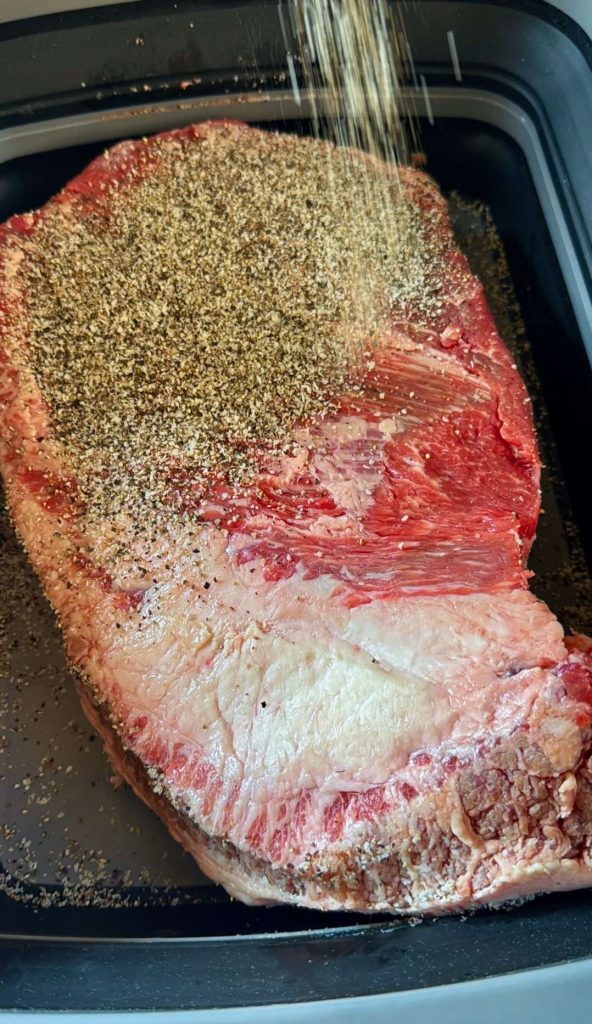
Then flip over to the side with the fat cap:
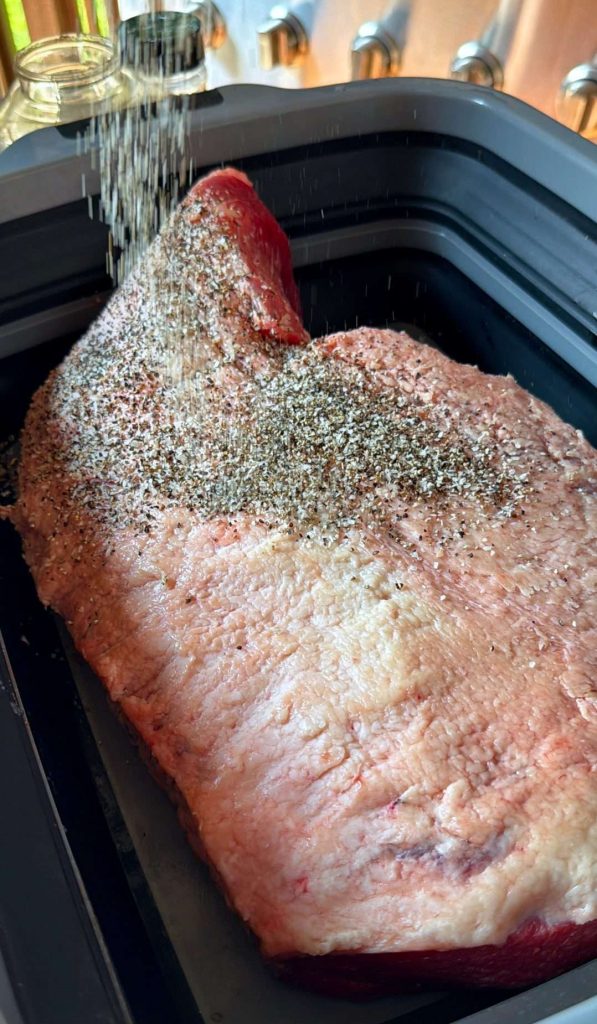
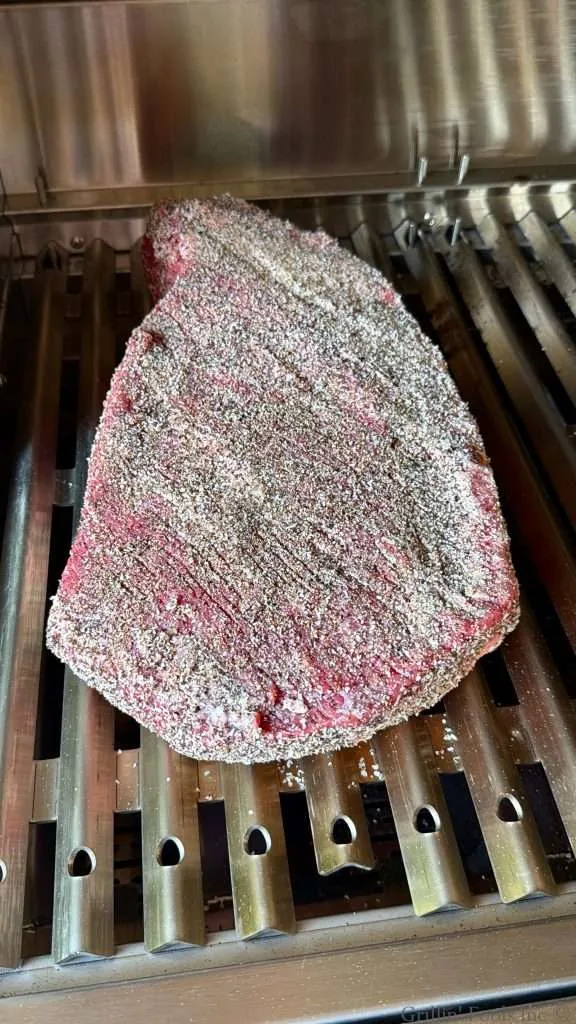
Seasoned and ready for the grill:
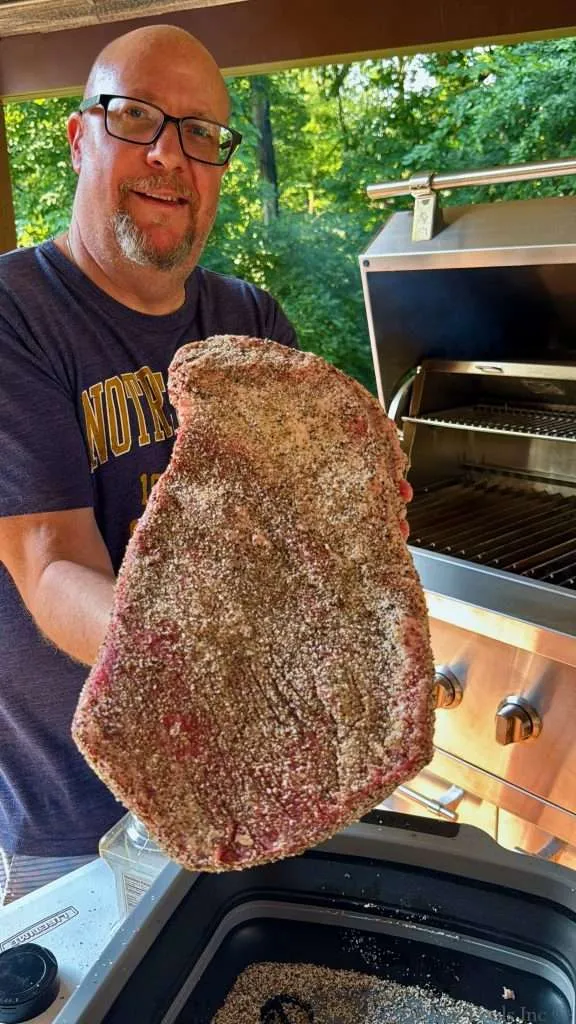
Set up the Grill
Leave the brisket and go set up the grill. Or in my case, put the brisket in the microwave above the stove so my dog doesn’t eat it while I’m lighting the fire. Sneaky little $%@+.
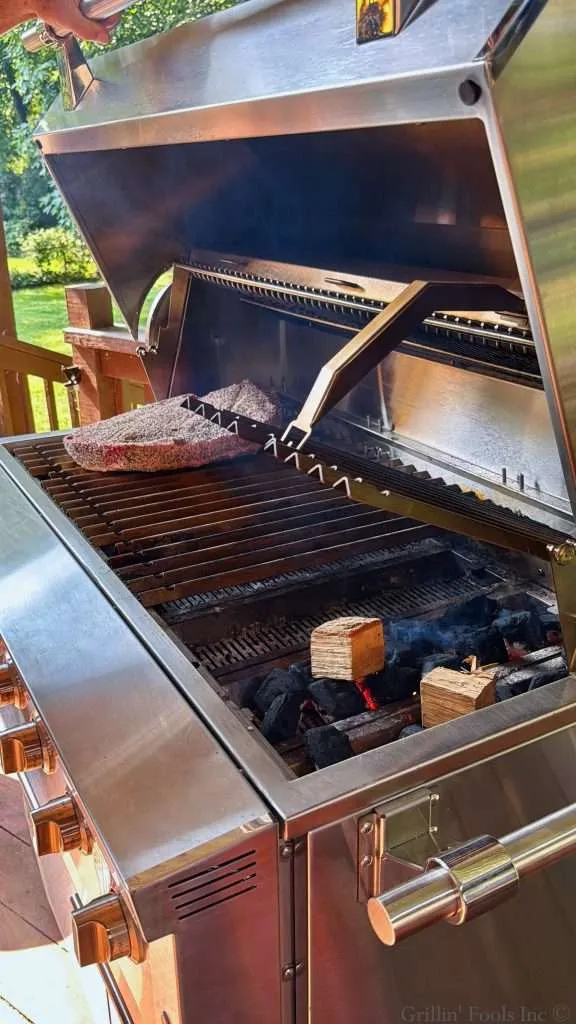
We are going for two zone or indirect grilling here. Coals and smoke wood on one side and the meat on the other:
Why Indirect Grilling (aka Two Zone Grilling)?
In order to break down all that tough connective tissue inside the brisket to make it tender, and at the same time keep it juicy, we have to cook it low and slow. Cook it hotter and faster and the outside is burnt before the inside is tender. Thus, no direct heat anywhere near our brisket. We want the outside to blacken with tasty bark, not burn.
I’m using my American Made Grills, Hybrid Ovation Grill:
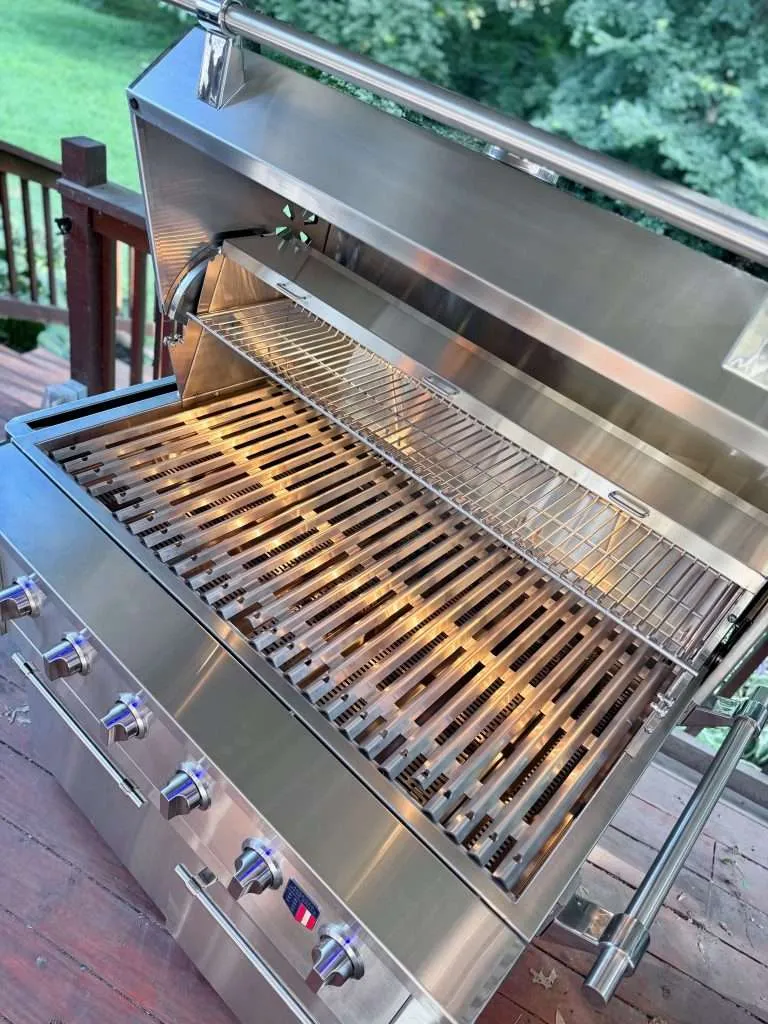
This brisket was the second cookout I did on this beauty.
The AMG Hybrid Ovation can use all manner of fuel – gas, charcoal and wood, or a combo of all three as I am using here. I used the gas to light the charcoal, and real wood for the smoke. This grill is not a dedicated smoker and thus doesn’t seal like one; thus, I need to run the fire pretty hot to keep the temps up near my target of 300F (+/-25F). To help with that, I used these Char Logs from B&B charcoal:
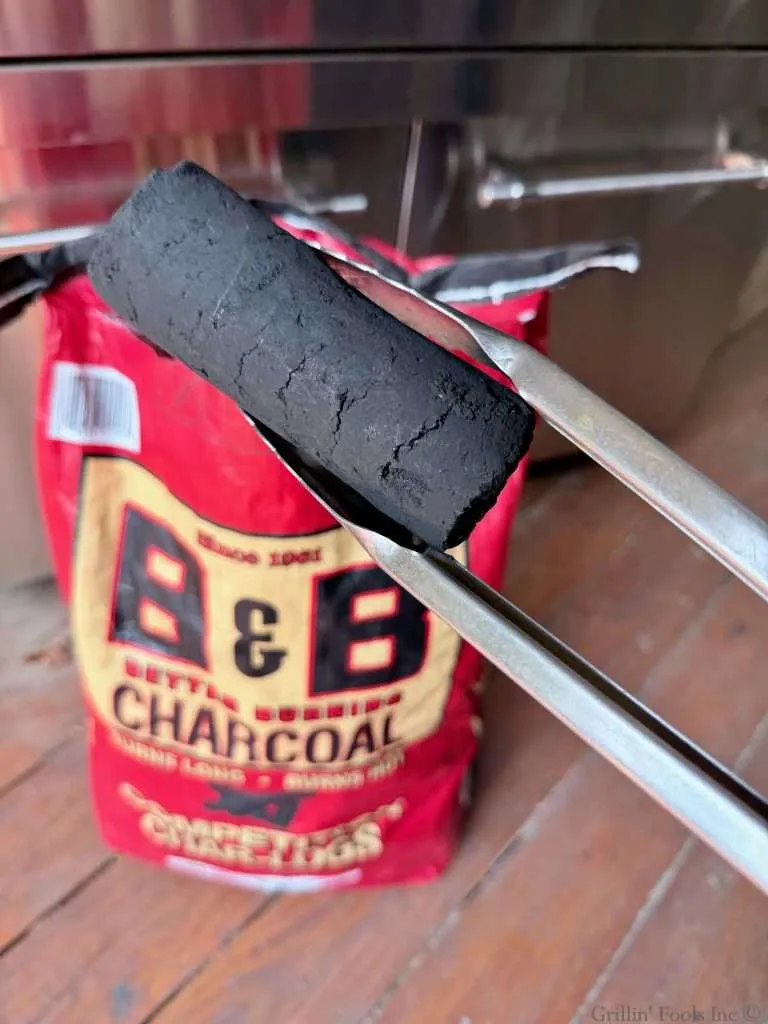
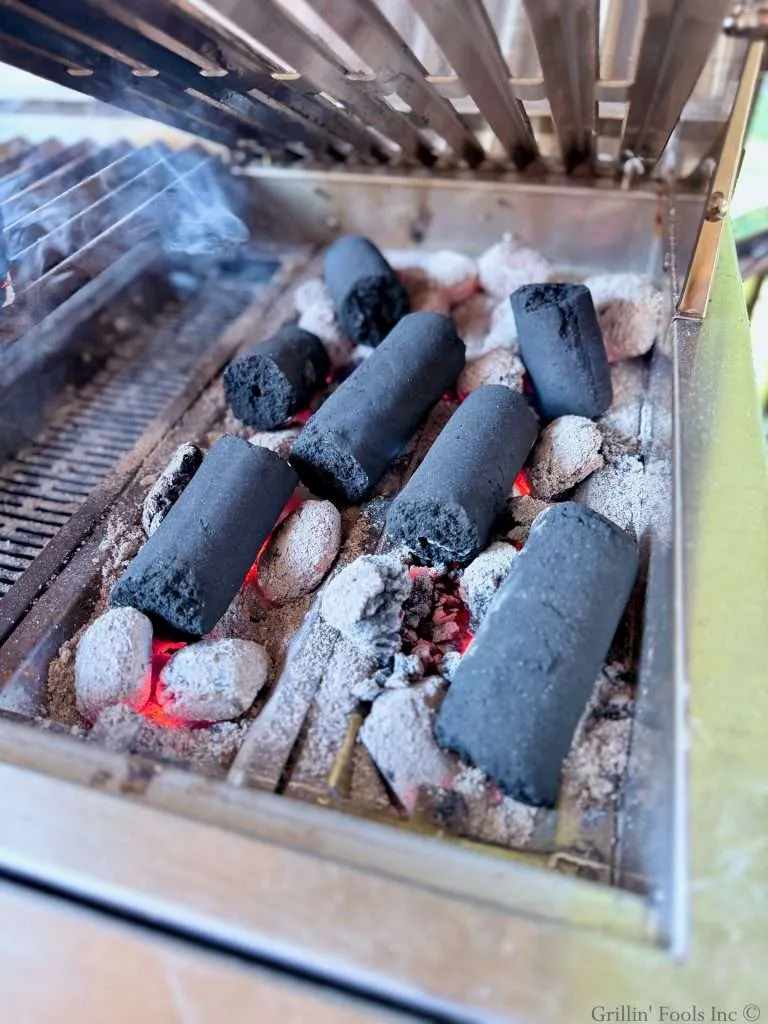
These round wonders of physics have a little hole running down the middle but no chemical binders. Yet somehow they defy the laws of thermodynamics and stay ridiculously hot for way too long no matter how much air they get. Same guys who designed these designed Captain America’s Shield. I mean, probably…
With the Char Logs in place, I could maintain temps for 2-3 hours before I had to add more fuel which isn’t bad at all:
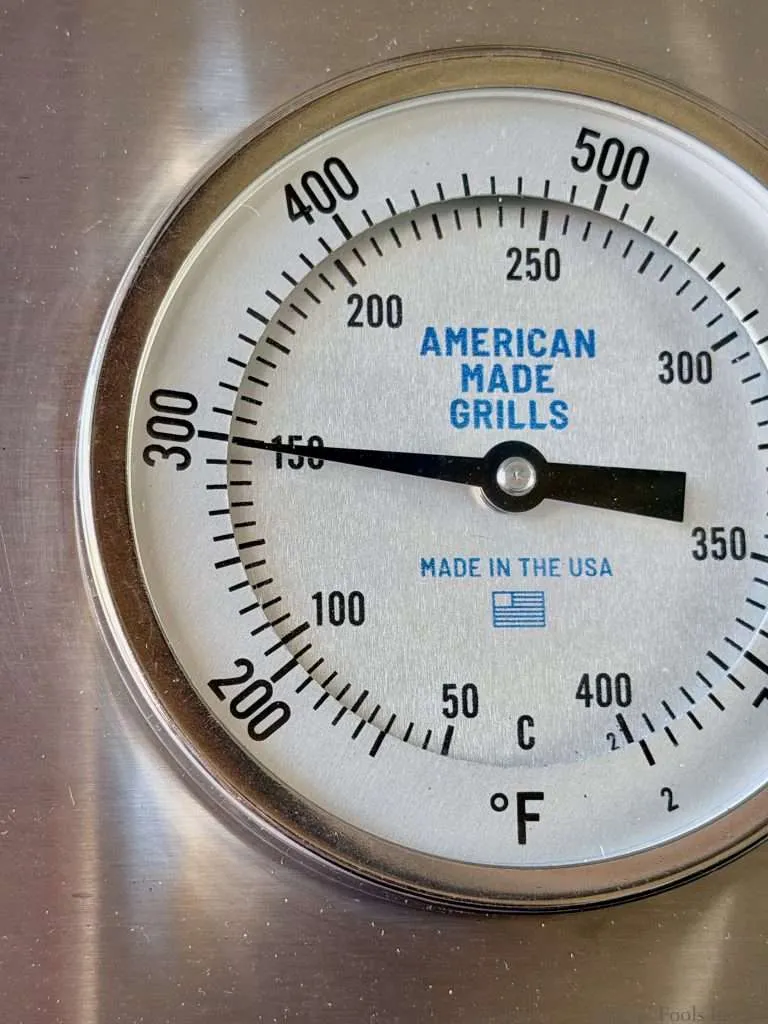
As someone who learned my craft on a kettle, that’s kinda standard in terms of having to add fuel.
Since I was running a really hot fire, I moved the wood chunks to on top of the grill grates so they would smolder more than flat out burn:
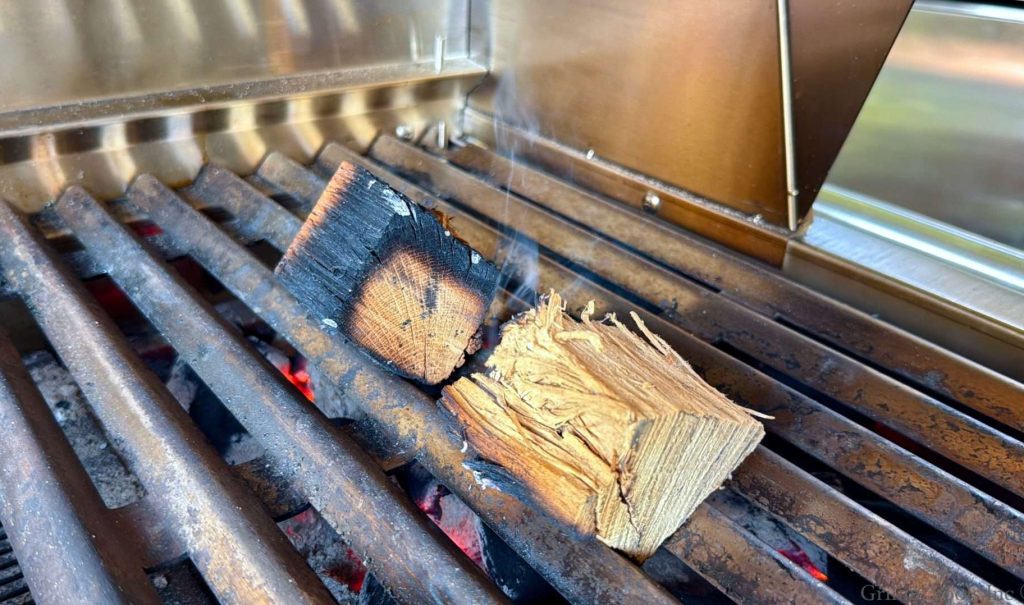
I also switched to larger chunks of wood so I could leave the grill closed longer:
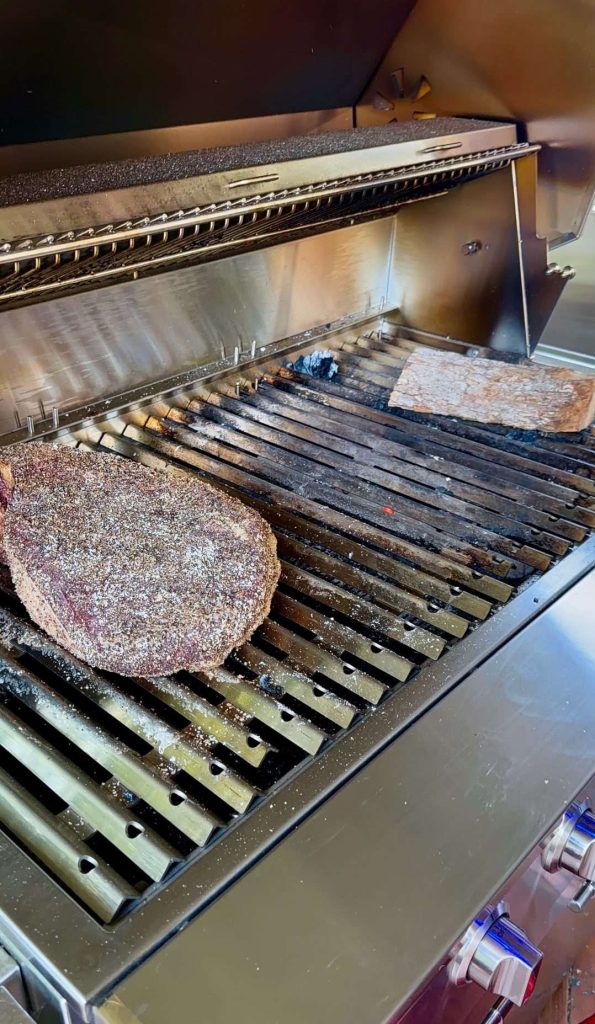
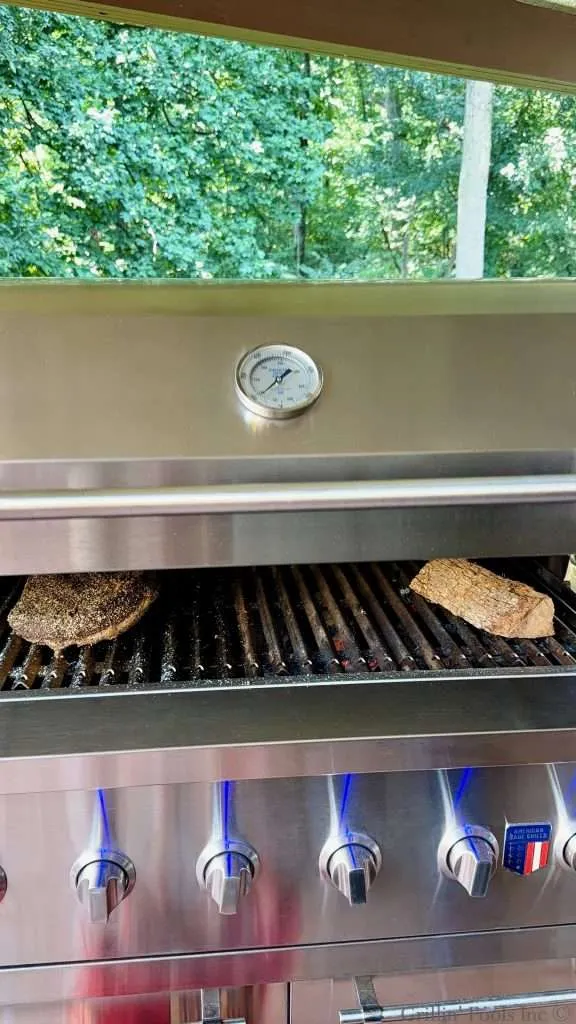
But was there smoke?
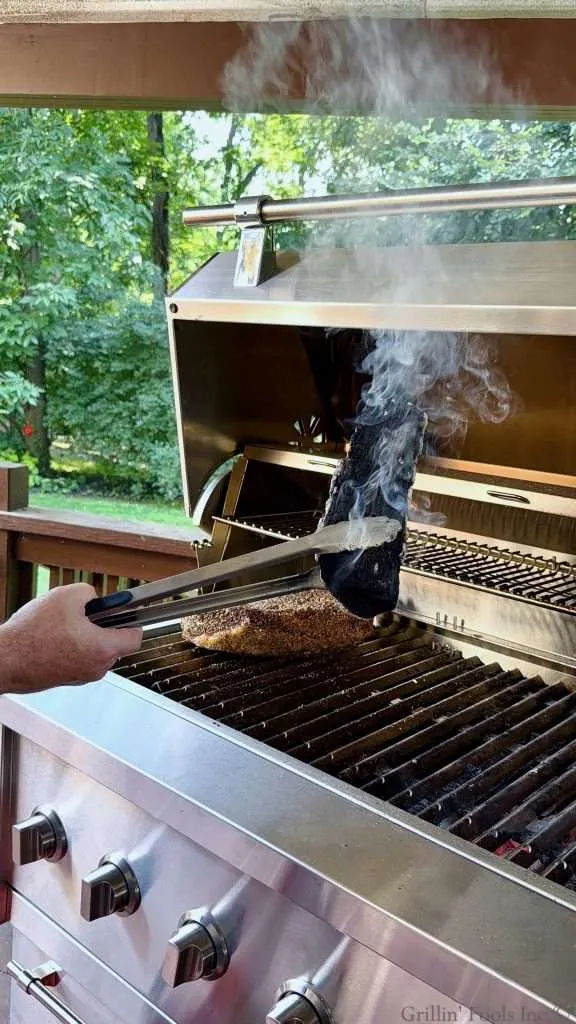
I actually moved the smoke wood to the upper rack as I had to run that fire really hot to keep the temps in a 42 inch chamber near 300F:
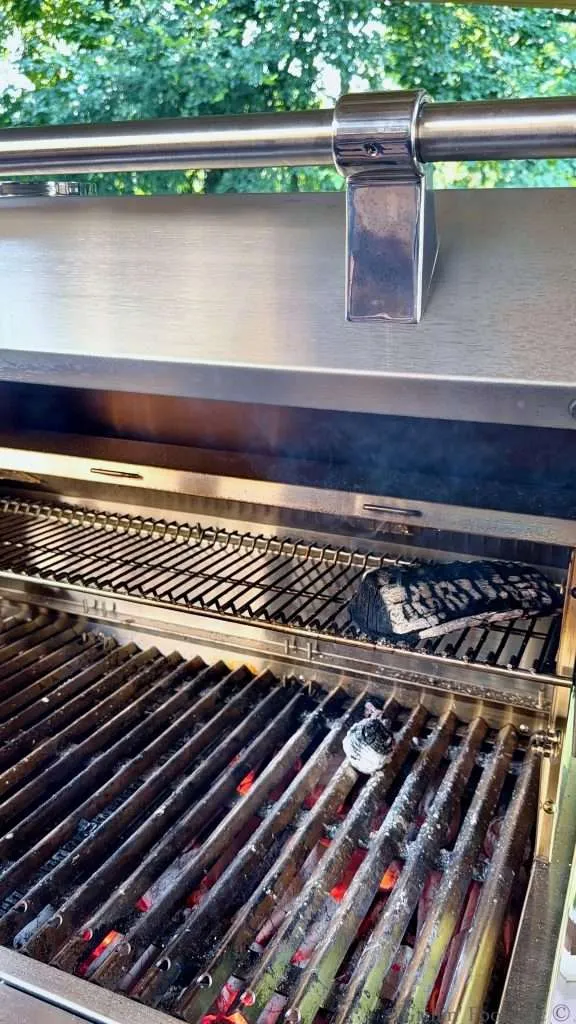
Pro Tip ~ Place the wood right over the hot coals, or even in the coals, to get the wood burning, then move the wood away from the direct, intense heat, blow the fire out and place the wood close enough to the fire to smoke, but not openly burn. That can be done on the top rack or just off the edge of the fire on the main rack.
The next many hours is pretty boring. Loading charcoal and smoke wood as those two things were depleted. And while I was running about 300F at the middle of the grill, it was running lower at the far end where that beef brisket sat. So it took a good 8 hours for the brisket to reach the stall. Which begs the question:
What is the Stall?
As the meat sits in what is essentially a smoky oven, the temperature of the beef slowly rises until it reaches the dreaded stall. Somewhere between 160F-180F the temperature plateaus and it seems to completely stall for what seems like hours. The stall can be maddening because it takes an already long process and makes it even longer.
Luckily, there is something you can do to speed up the stall. Wrapping the meat in foil, or even better, pink butcher paper will allow the meat to steam its own juices, which hyper-accelerates the cooking process while keeping the meat juicy.
There are a lot of people that simply wrap as soon as the brisket hits 160F to plow through that stall. I like to wait until I feel the bark is set on the outside of the brisket. So I waited till the brisket had been on for about 8 hours and was sitting at close to 170F:
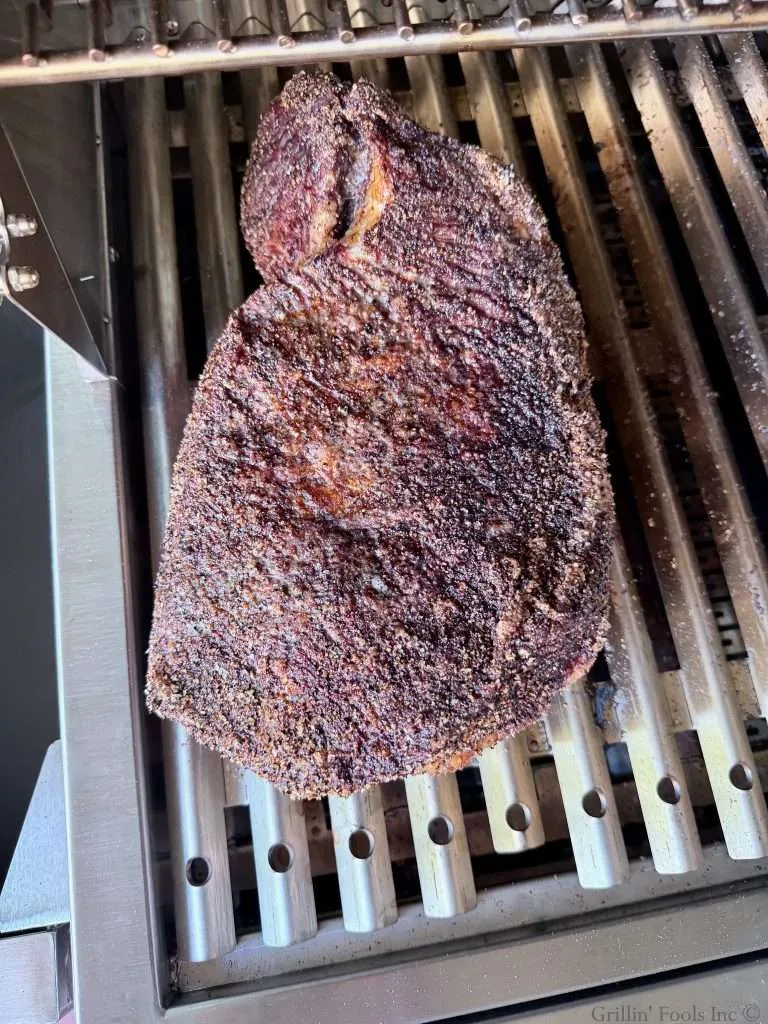
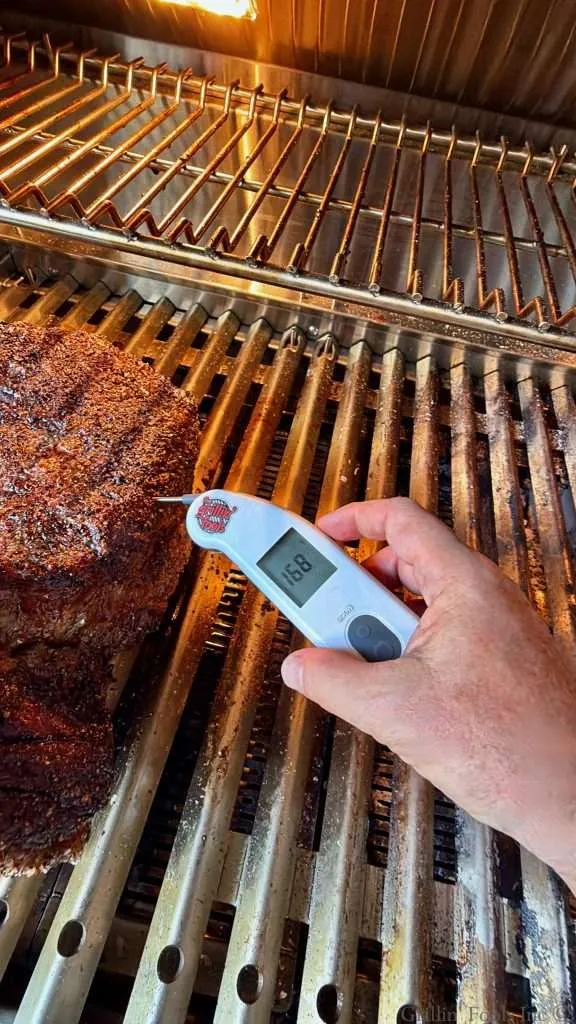
I went with a sheet of pink butcher paper:
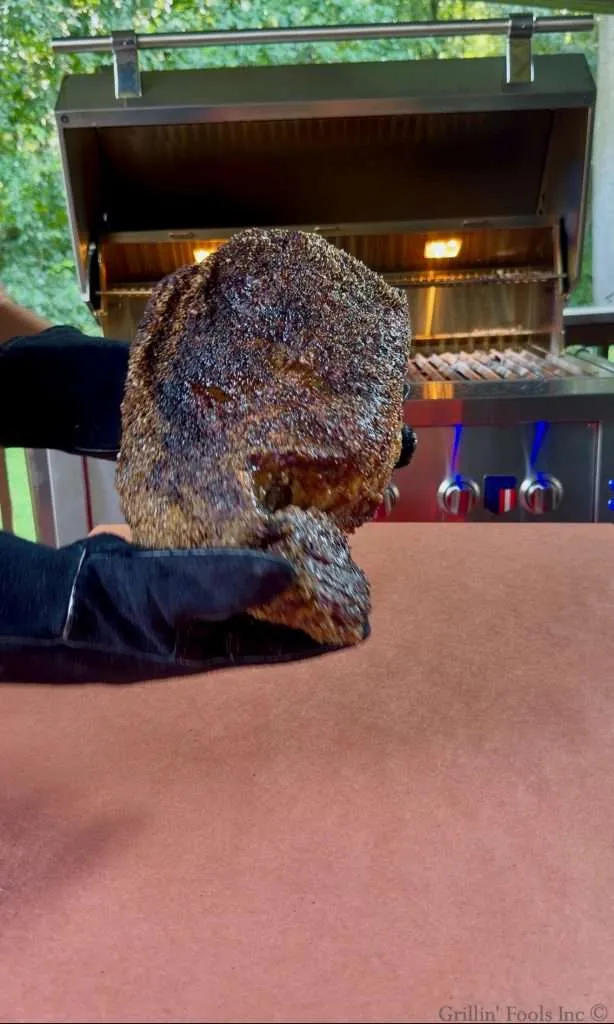
When buying pink butcher paper, make sure to get the widest you can. I prefer at least 24 inches wide. This is 27 inches.
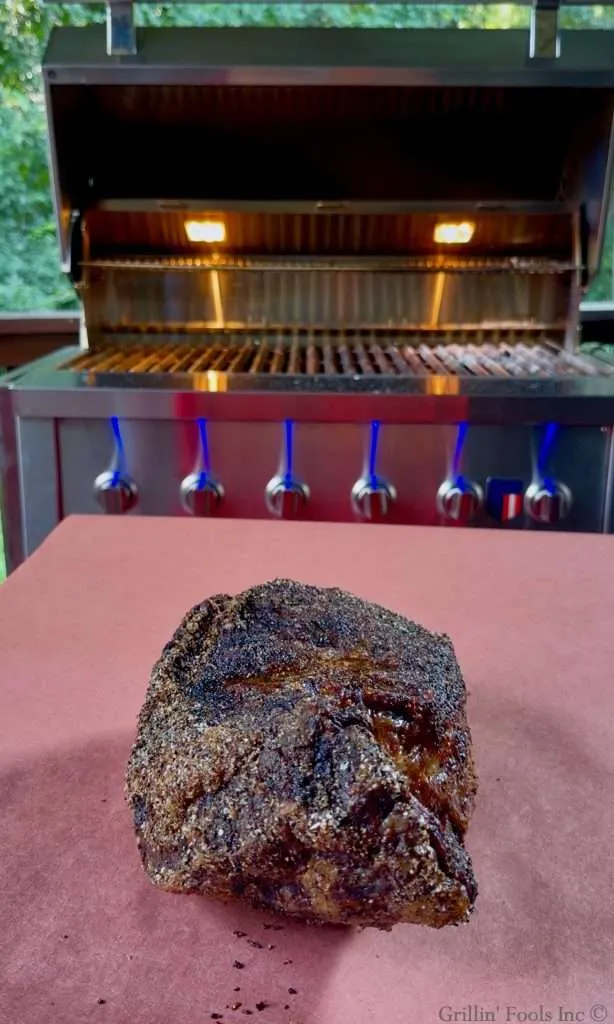
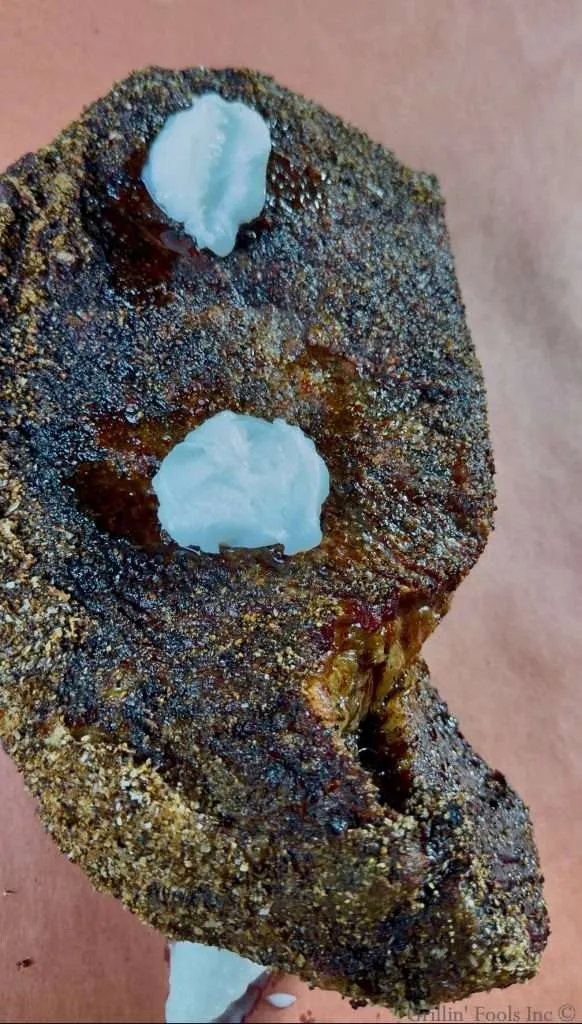
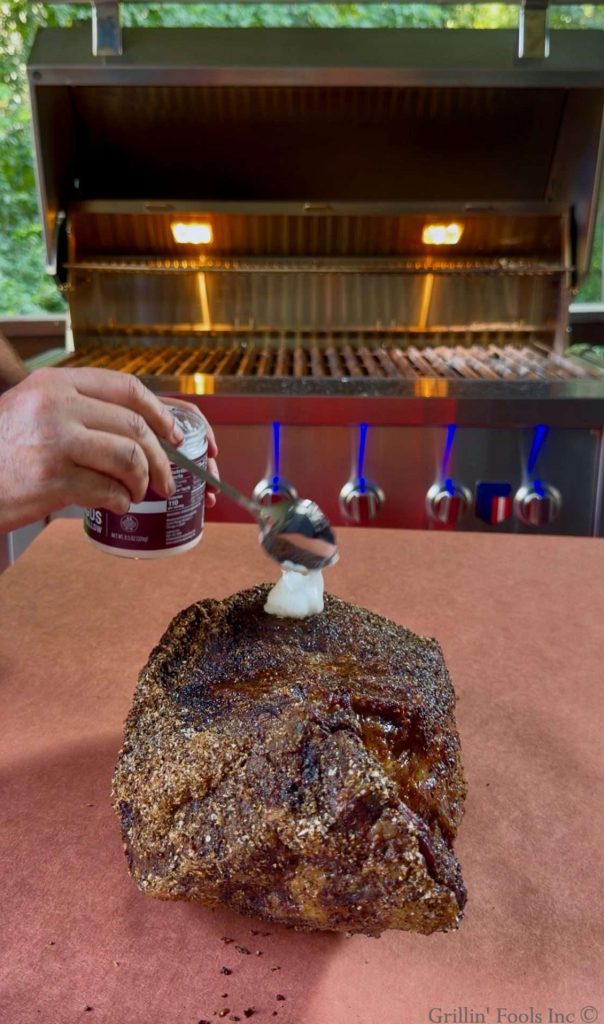
I like to add a little beef tallow when I wrap my brisket along with a little more seasoning. I put a couple dollops of beef tallow on top and one near each end on the bottom:
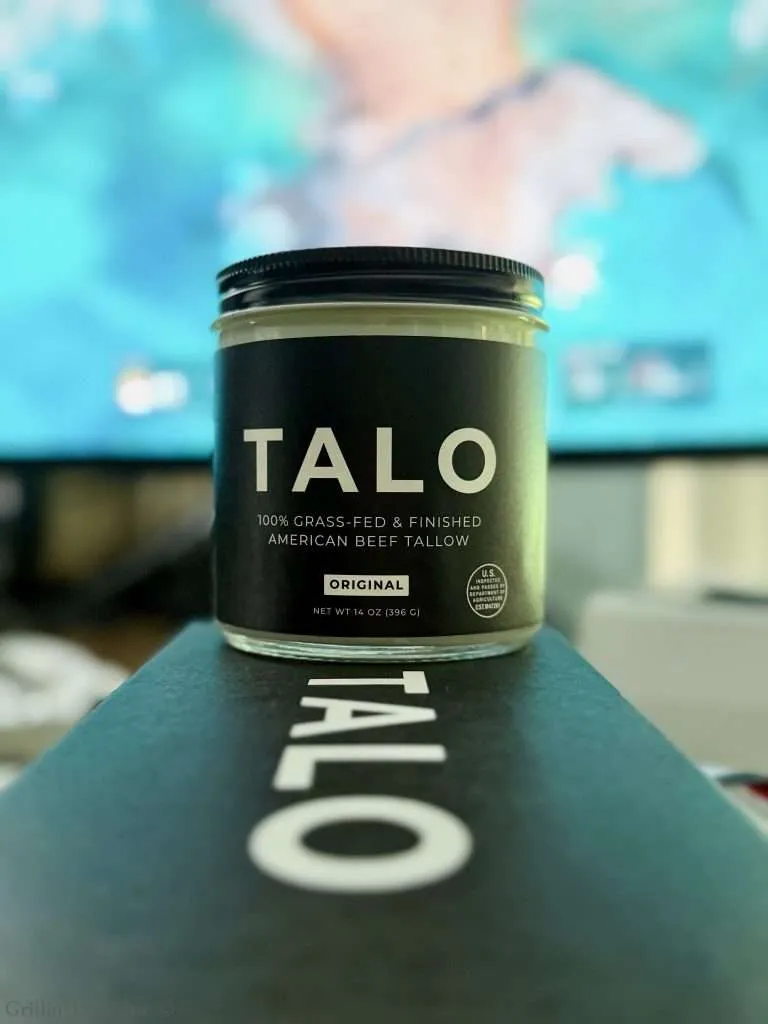
This is the stuff I like:
I wrapped the brisket up in the butcher paper about as tight as I can get it and it can either go back on the grill, or go in the oven. It’s not taking any smoke on at this point. It just needs heat. I was running low on charcoal, so I went with the oven.
About 2 hours at 300F, and my brisket hit 205F:
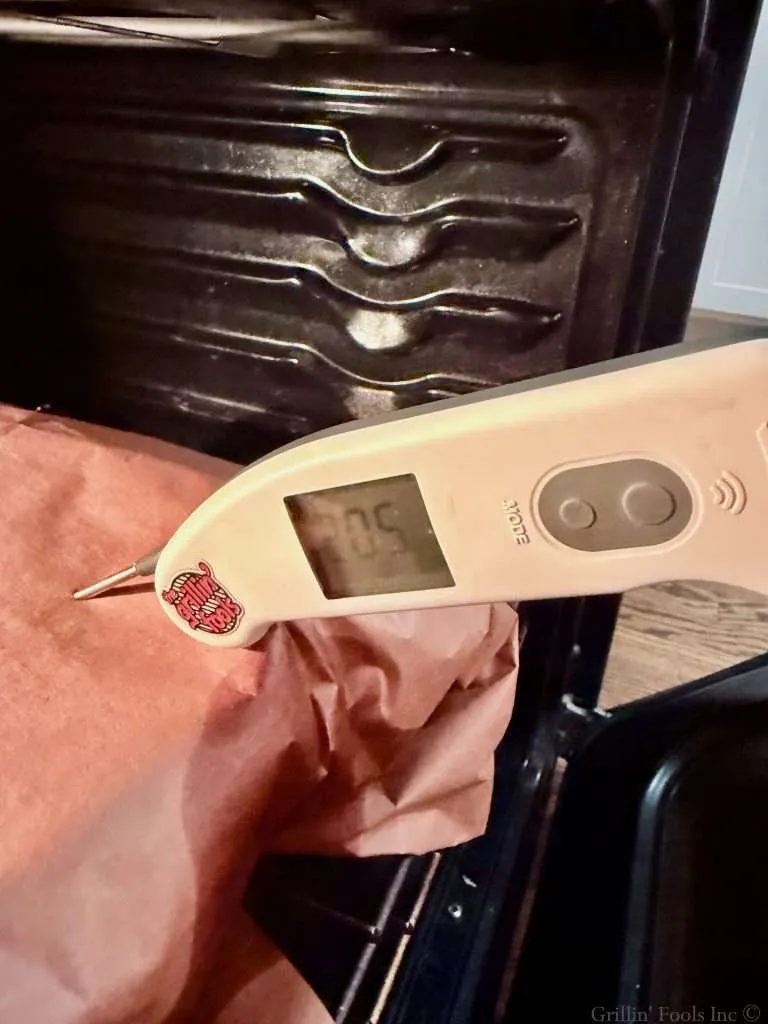
Pro Tip ~ I could have pulled this brisket at 195F-200F and let the carryover cooking take it the rest of the way. The brisket, wrapped in the butcher paper and in a Cambro or old cooler, will continue to cook up to 10F degrees. But when I checked on the brisket, it was 205F so that’s when I pulled it.
I removed the brisket, pink butcher paper and all, and put it into a Cambro to rest for about 2 hours.
If you don’t have a Cambro, wrap the butcher paper in a towel and place the brisket in an empty cool for a couple hours. I will say this about the Cambro. The piece of mind it gives on Thanksgiving alone is worth every penny. I never try to time my turkey to be ready when guests arrive. That bird is done 3 hours before they get there and still steaming hot when I carve into it and super juicy. Cambro. Seriously.
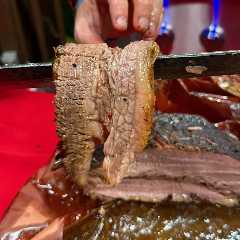
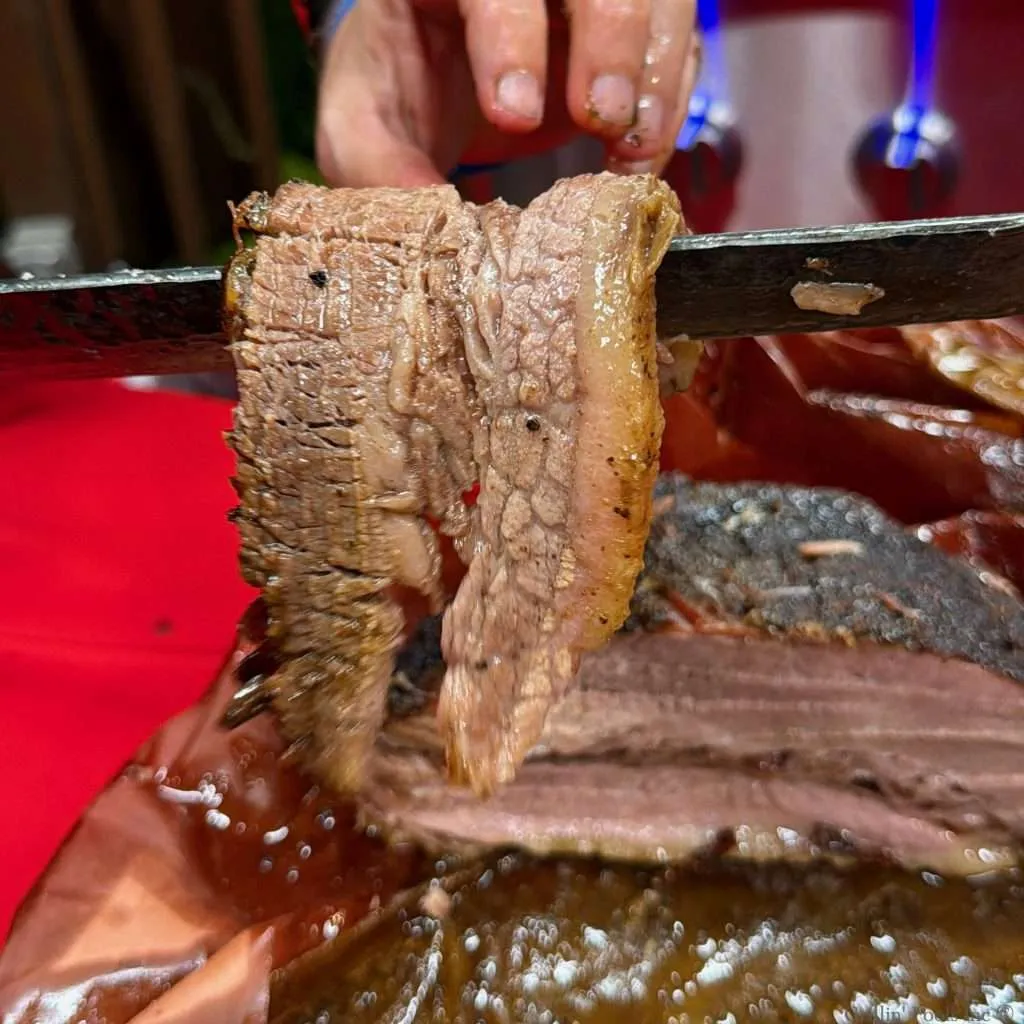
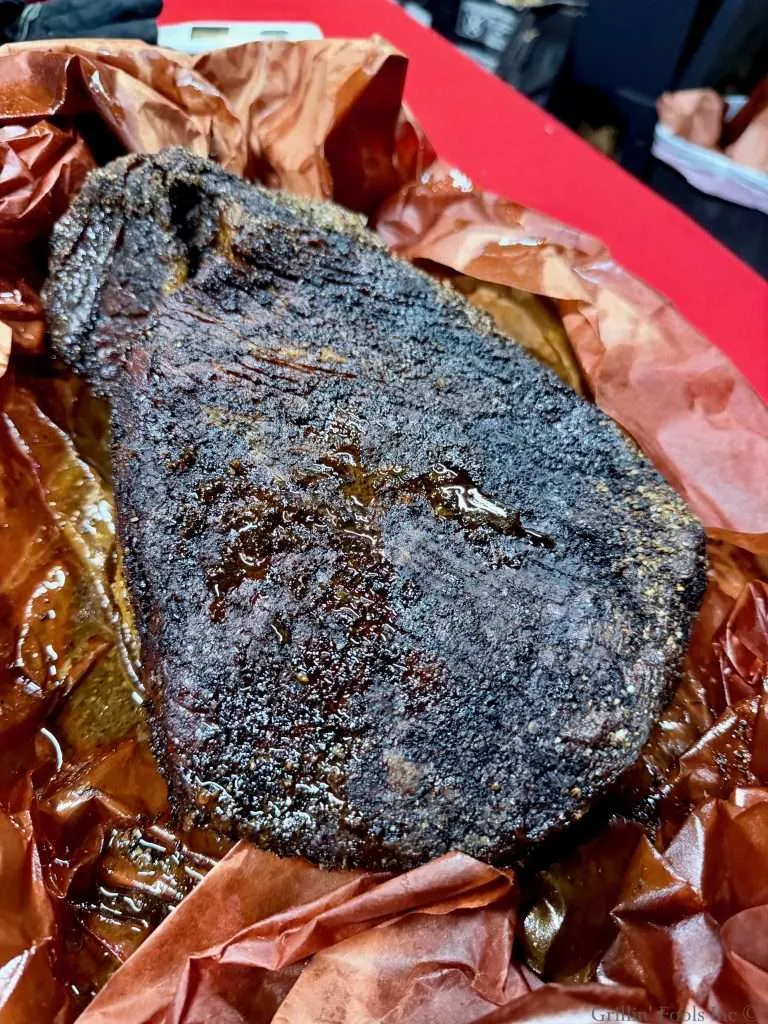
And yes, this brisket took 12 hours from the time it hit the grill until I sliced it. Here it is coming out of the butcher paper with some epic bark:
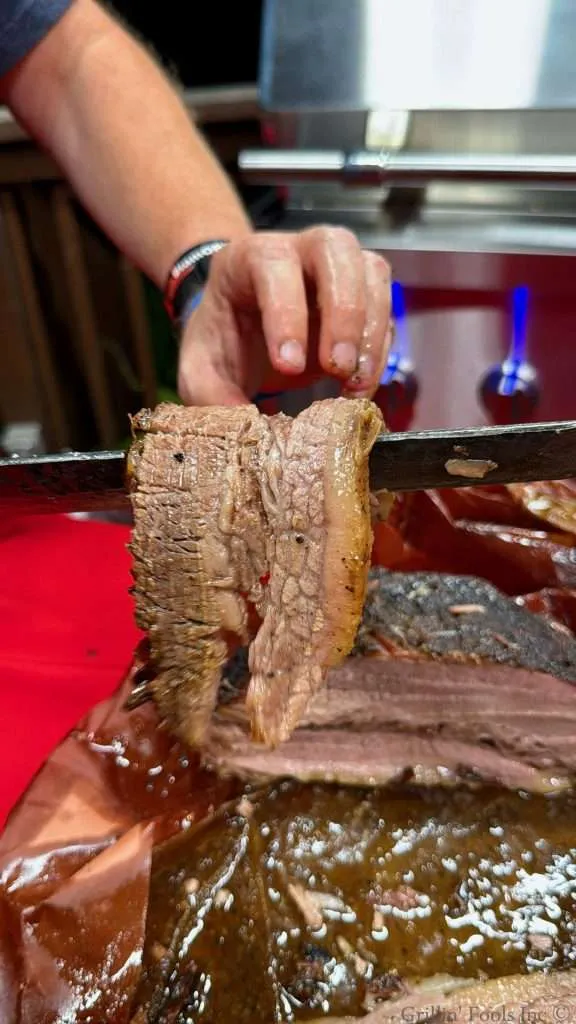
And then the slice:
Indirect Smoked Brisket Recipe Recap
My only knock on this brisket was the lack of a smoke ring, but a smoke ring is really just cosmetic. It has no impact on flavor, which was spectacular. Anyone complaining about a lack of smoke ring is an amateur. For this brisket, the bark was fantastic, with plenty of smoke flavor and super juicy. It took a long time at around 12 hours with that 2 hour rest, but that’s close to average for a lot of pitmasters and restaurants. For the king of all BBQ, you can’t rush this. This was flat out a great brisket. See what I did there?
If you have any questions or comments, feel free to leave them below or send me an email.
Also, if you could leave us a great review with lots of stars ⭐️⭐️⭐️⭐️⭐️ that would be most appreciated!
Additionally, you can follow us on our GrillinFools Facebook, Instagram, Pinterest, Twitter/X and YouTube feeds
Recipe Card:

Indirect Smoked Brisket Recipe
An entire packer brisket, trimmed, seasoned and smoked indirect for hours. The brisket is then wrapped with tallow to make this indirect smoked brisket recipe
Equipment
- 1 Cambro Substitute an empty cooler and an old towel
Ingredients
- 1 Packer brisket Flat and Point
- SPG Seasoning Salt, Pepper, Garlic
- 4 tbsp Beef tallow
Instructions
- Prepare the smoker for 300F (+/-25F)
- Trim the brisket as much or as little as you want. I trimmed nothing from this one and may never trim another brisket again. Coat the brisket heavily all the way around with the SPG seasoning or your favorite beef rub. Once the grill gets up to temp, toss on a chunk of smoke wood on the side with the hot coals and the brisket on the side with no direct heat.
- And now we wait. And wait. And wait....
- Add more fuel and smoke wood as those get depleted.
- Once the internal temp of the brisket tops 160F, and you feel like bark has set up nicely, remove the brisket from the grill and place on a large sheet of pink butcher paper. Place a couple dollops of beef tallow on top and a couple near the base of the packer and sprinkle a little more rub on tip. Then wrap that butcher paper up tight.
- Place the wrapped brisket back on the grill, or into a 300F oven (it's not taking on any more smoke at this time), until it reaches an internal temperature of 200F-205F and place it in a Cambro for at least an hour to rest. I went for 2 hours. If no Cambro is available, wrap it in an old towel and place it in an empty cooler to rest.
- After the rest, remove from the butcher paper, slice across the grain and serve.
Video
Extra Pic:
The post Indirect Smoked Brisket Recipe first appeared on GrillinFools.
Related Posts
Did you miss our previous article...
https://manstuffnews.com/backyard-grilling/the-5-best-traeger-alternatives-weve-tested-in-2026