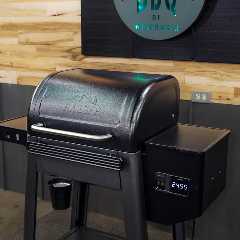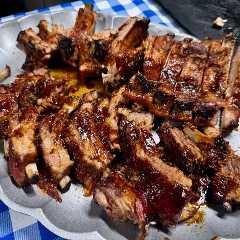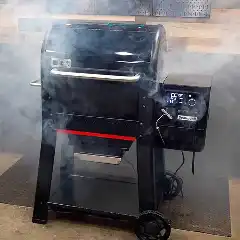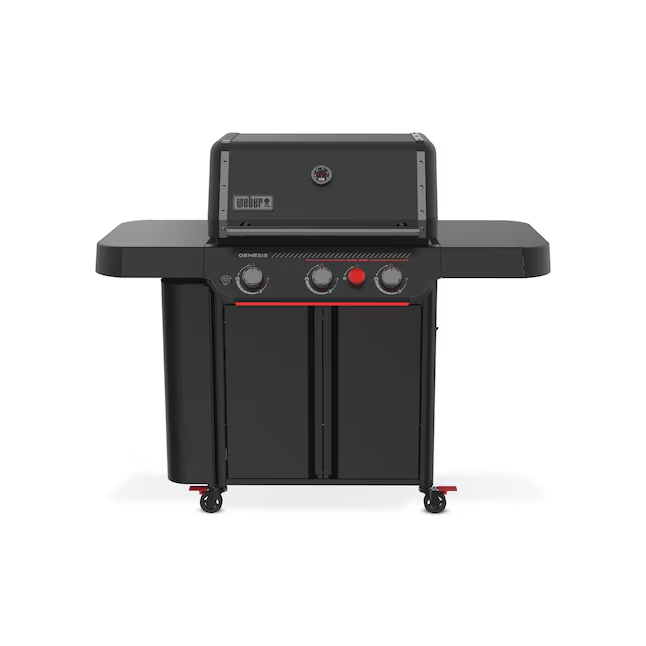

Our pitmasters have cooked on every grill in the Traeger lineup. We’ve tested their ability to cook ribs, brisket, and pulled pork low and slow, as well as how they perform grilling and searing meat.
If you’re considering buying a Traeger but not sure which is best, read on to learn the differences between each model, and how they stack up against the competition.
At a glance:
The Westwood is Traeger’s entry-level pick, simple to use and great value. The Woodridge adds more cooking space, plus Super Smoke and a pellet sensor on the Pro and Elite. The Ironwood is a big step up in build quality and price, while the Timberline is larger and more of an outdoor kitchen, with an upgraded cart and induction side plat
The Traeger lineup
Joe Traeger patented the first pellet grill in 1986, and for about 20 years Traeger had the market to itself. Those days are long gone. Brands like
Traeger is still the best-known name in pellet grills, though, and its app and tech are among the best you’ll find.
These days, Traeger makes six pellet grill series, most with several models and sizes to choose from, which can make shopping confusing.
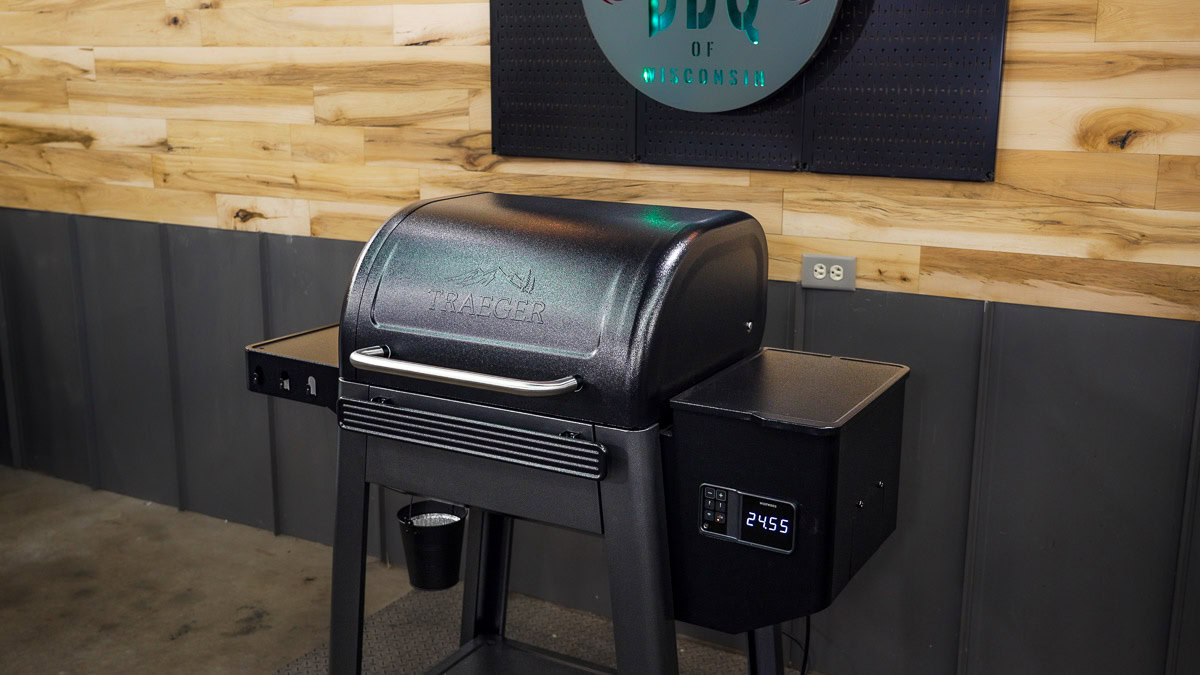
The new entry-level model and the replacement for the old Pro series. It comes in two sizes (653 and 823 sq in), with WiFi and a simple button controller. Read More
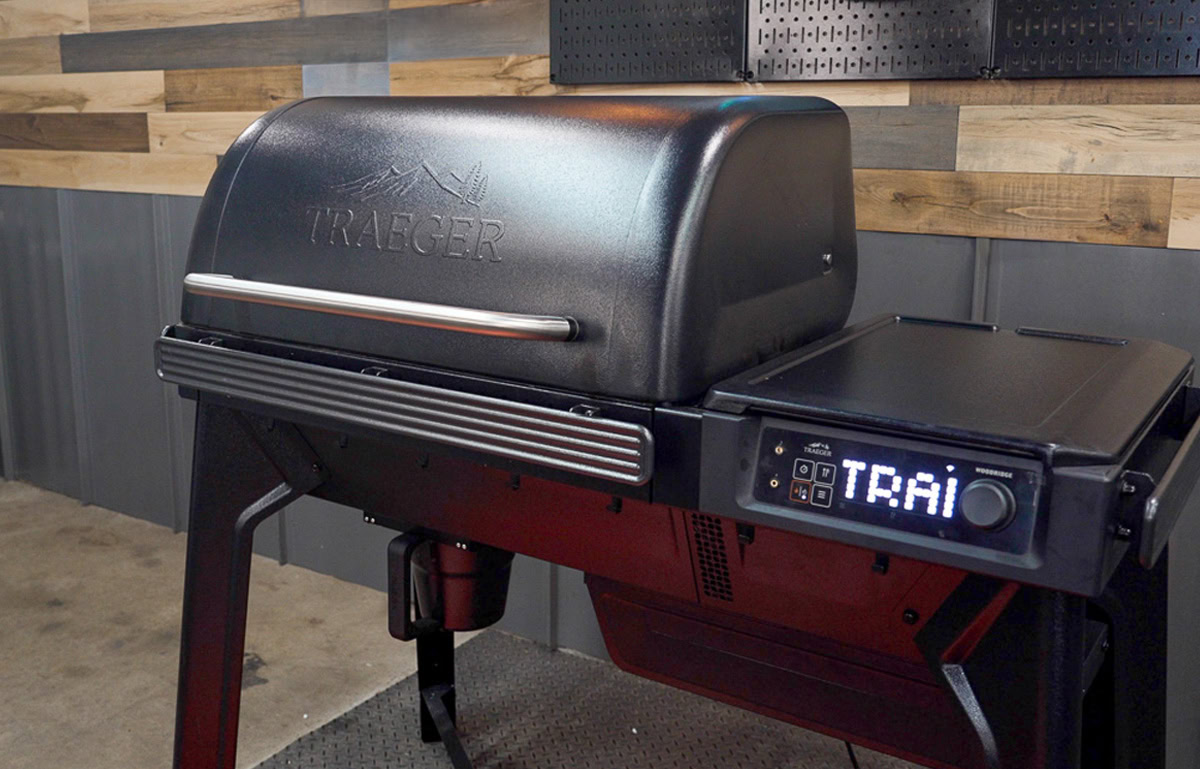
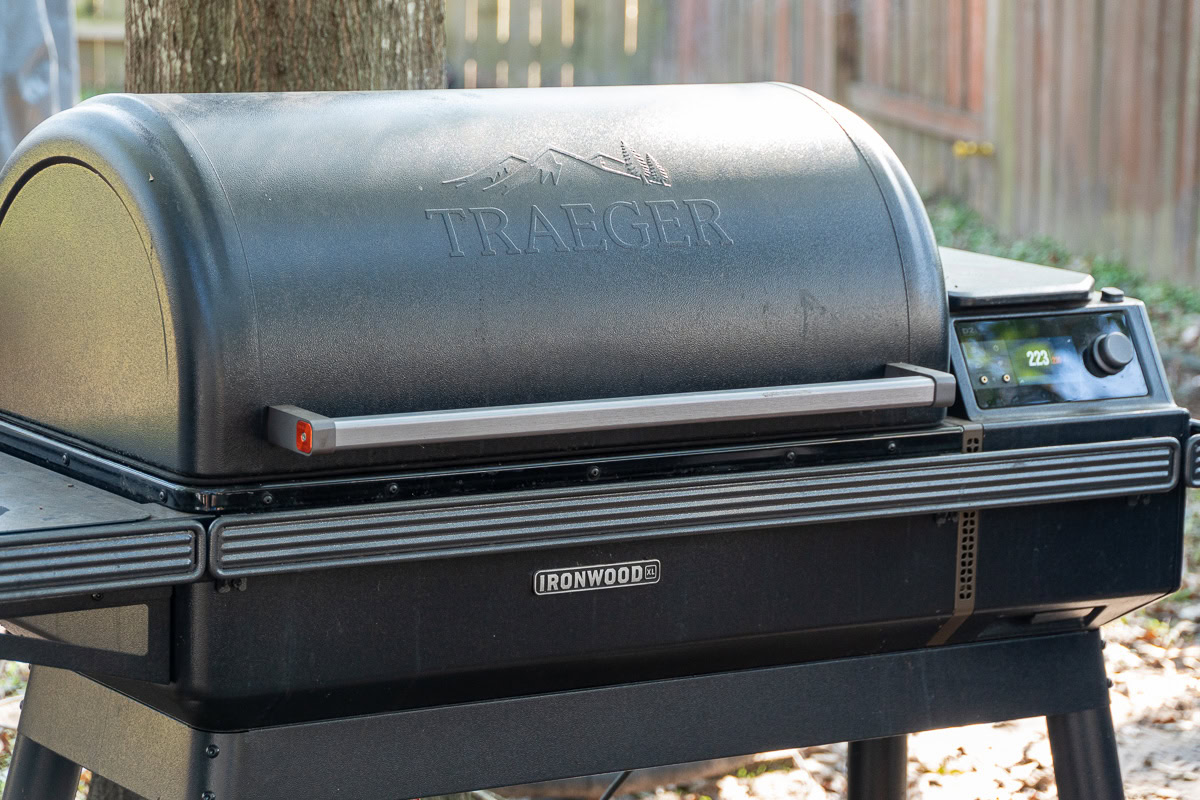
A step up from the Woodridge, with insulated construction, a color display, Super Smoke mode, and a pellet sensor come standard (on the Woodridge, you only get them on the Pro and Elite). Read More
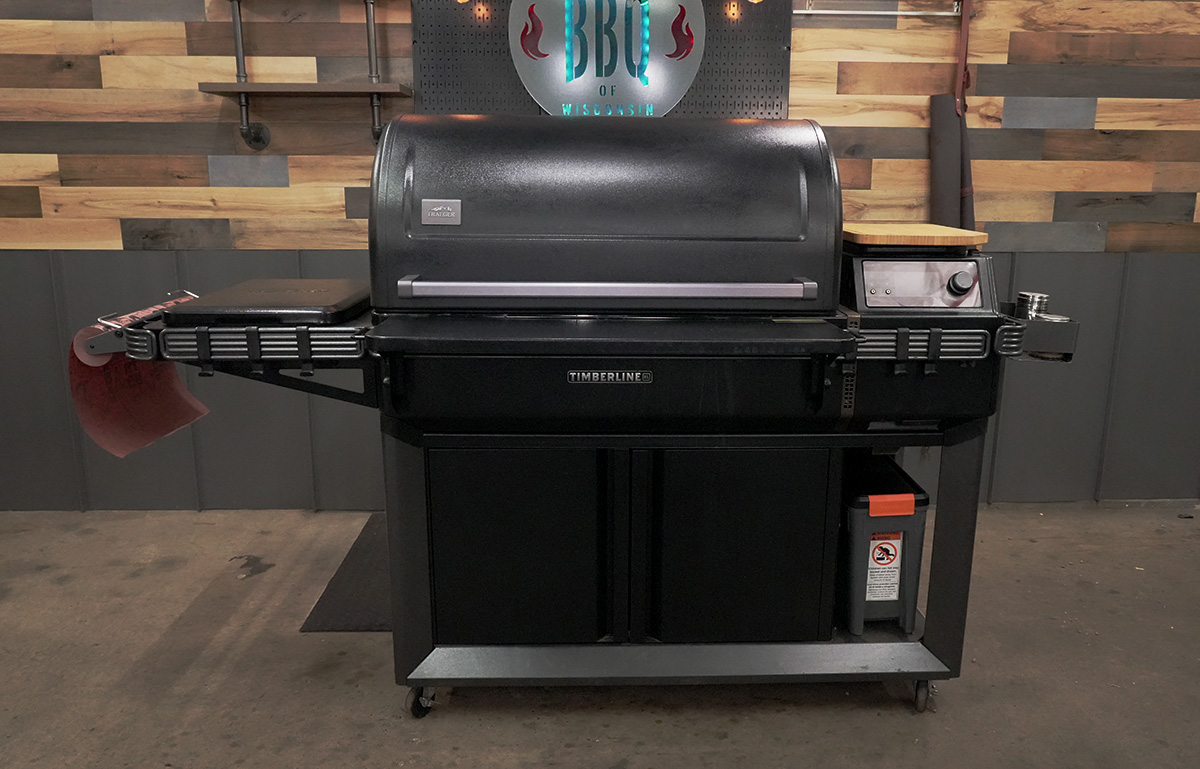
Traeger’s flagship. It’s bigger and has a touchscreen, a built-in induction cooktop and a cabinet-style cart. Read More
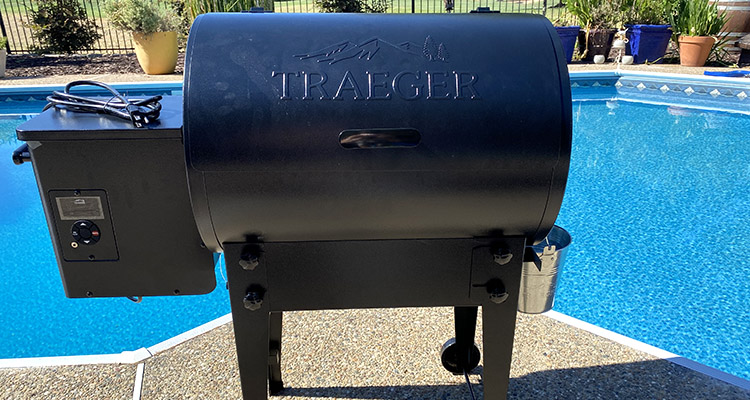
A portable grill with 300 sq in of cooking space and folding legs. It’s simple, but now quite dated. Read More
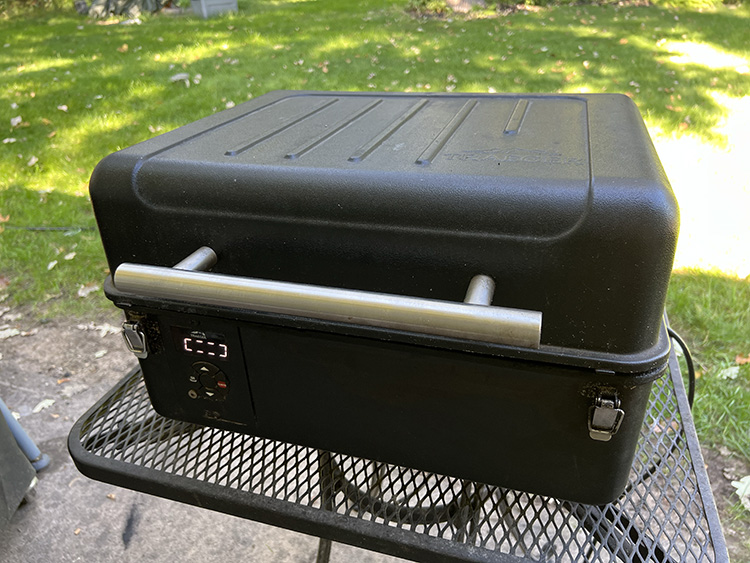
A suitcase-style tabletop grill and the most portable option in the range.
- Westwood – The new entry-level model and the replacement for the old Pro series. It comes in two sizes (653 and 823 sq in), with WiFi and a simple button controller.
- Woodridge – More cooking space and features. It comes in three models: base, Pro, and Elite.
- Ironwood – A step up from the Woodridge, with insulated construction and a color display. Super Smoke mode and a pellet sensor come standard (on the Woodridge, you only get them on the Pro and Elite).
- Timberline – Traeger’s flagship. It’s bigger and has a touchscreen, a built-in induction cooktop and a cabinet-style cart.
Portable Grills:
- Tailgater – A portable grill with 300 sq in of cooking space and folding legs. It’s simple, but now quite dated.
- Ranger – A suitcase-style tabletop grill and the most portable option in the range.
On top of the current range, you’ll still find legacy models like the Pro 22 and Ironwood 885 on clearance, plus Walmart-exclusive models you won’t see anywhere else.
We’ll go into a lot more detail in our reviews below to help you decide. This comparison tool is also useful for comparing different Traeger models.
The Best Traeger Grills
These Traeger reviews summarize longer reviews we’ve done on each model, so be sure to check those out once you’ve narrowed down which model you are interested in.
1. Best Value for Money – Traeger Woodridge
Read our full Traeger Woodridge Base or Woodridge Pro review.
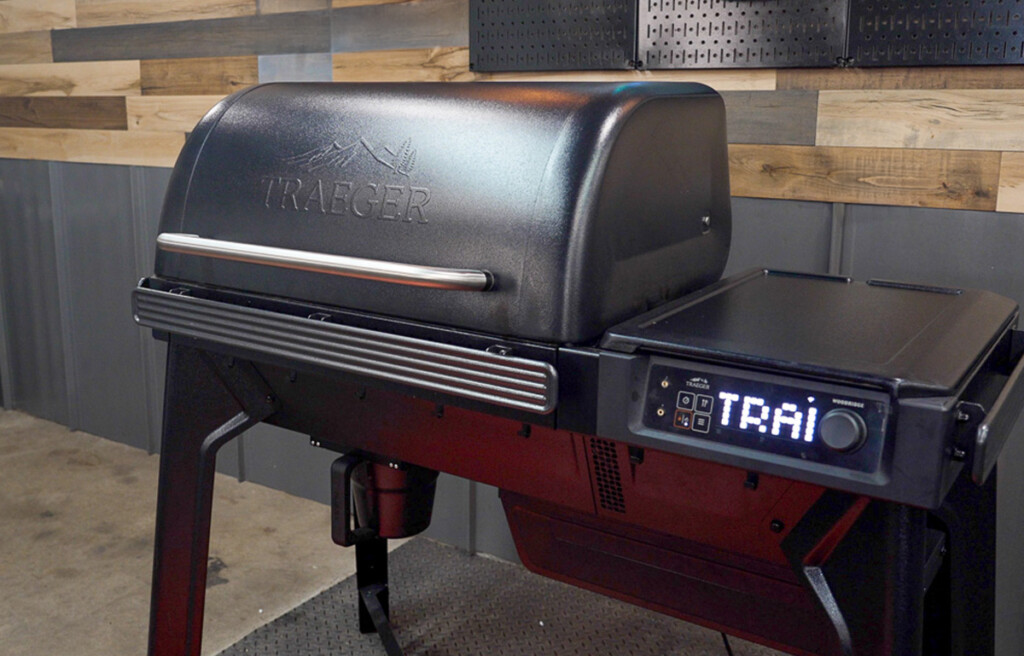
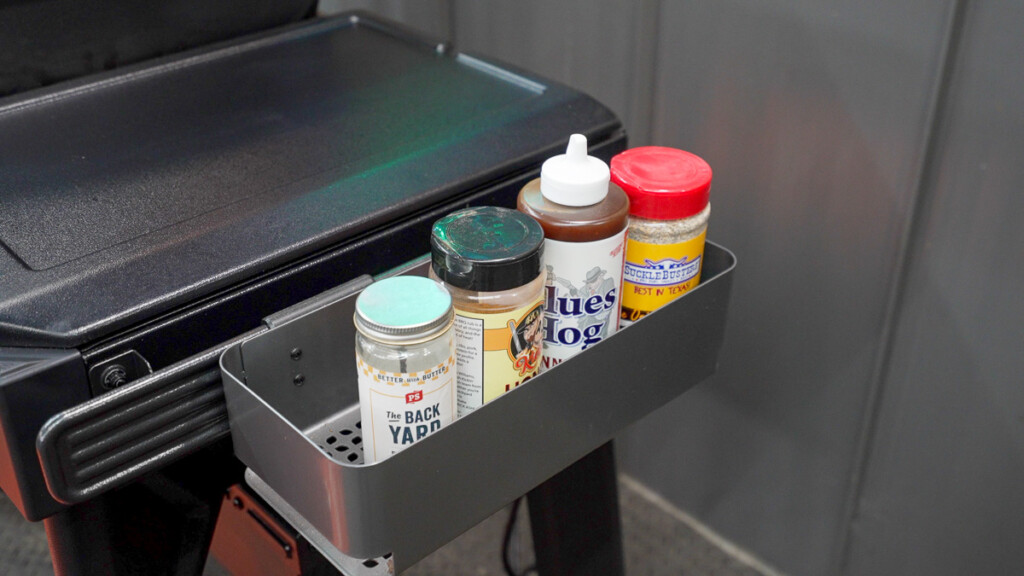
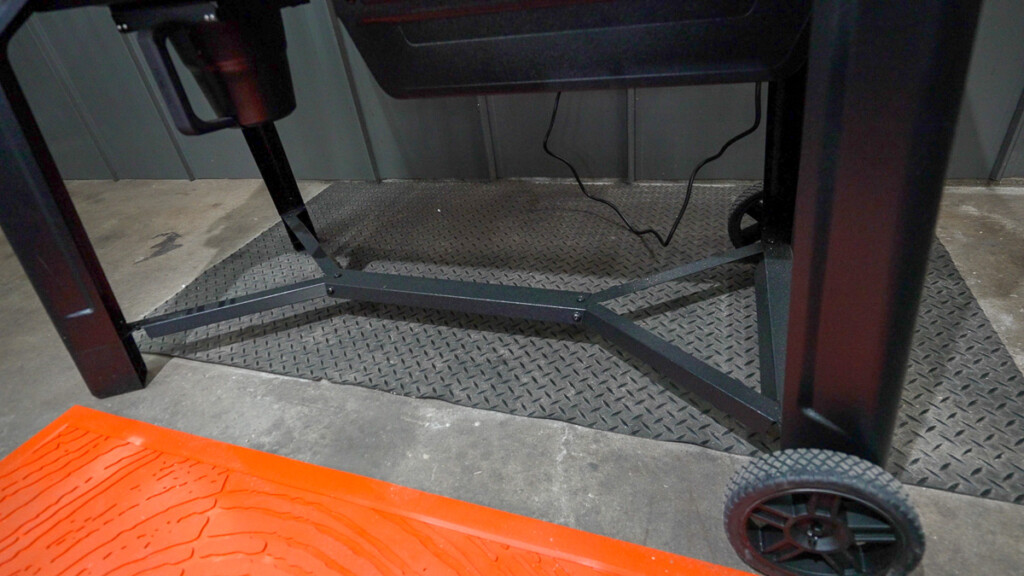
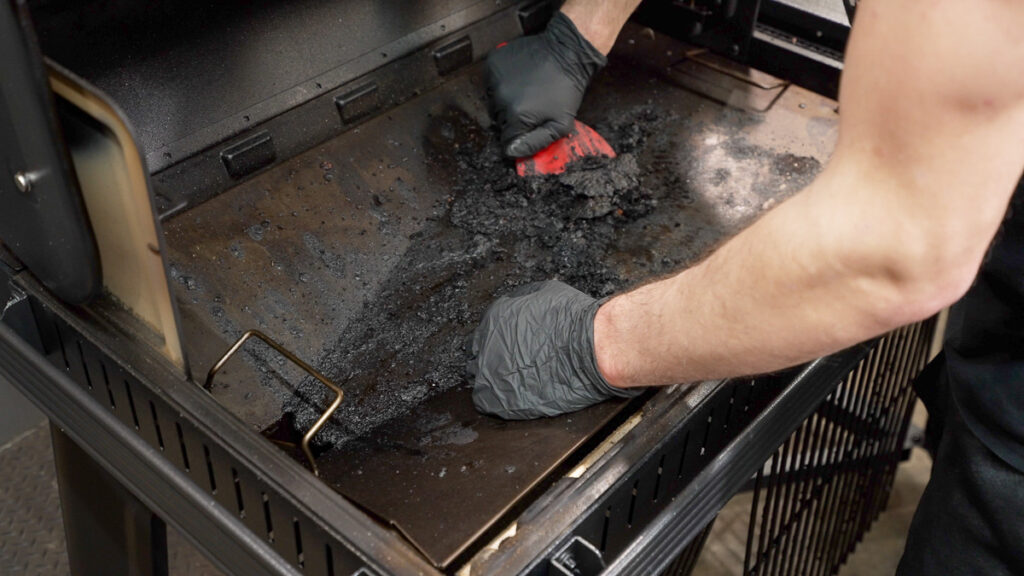
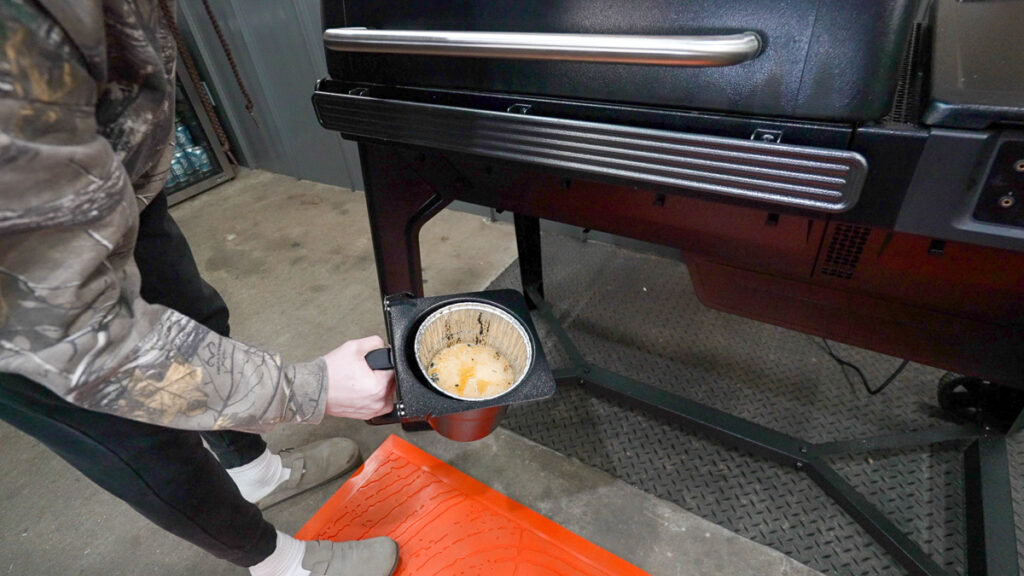
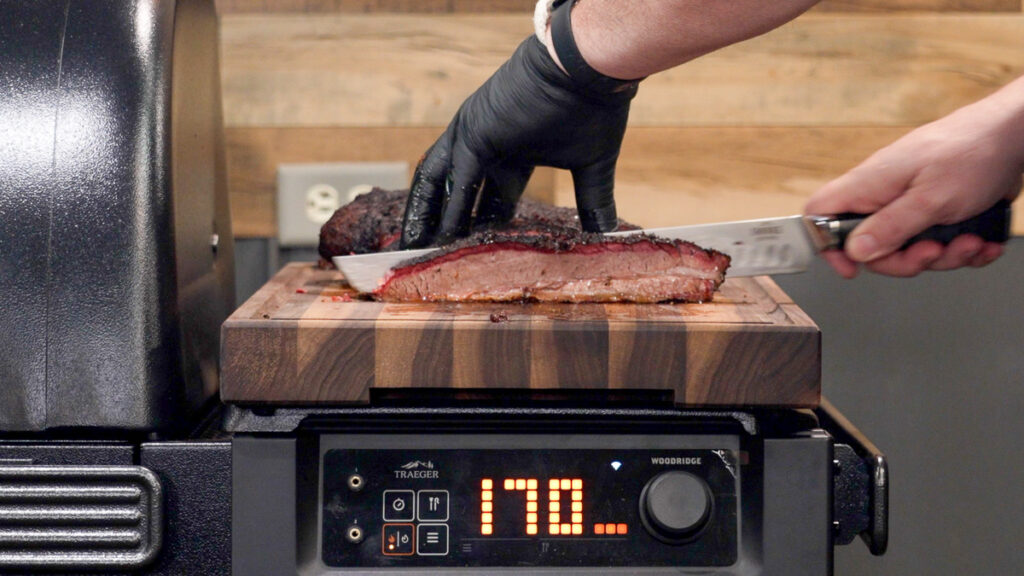
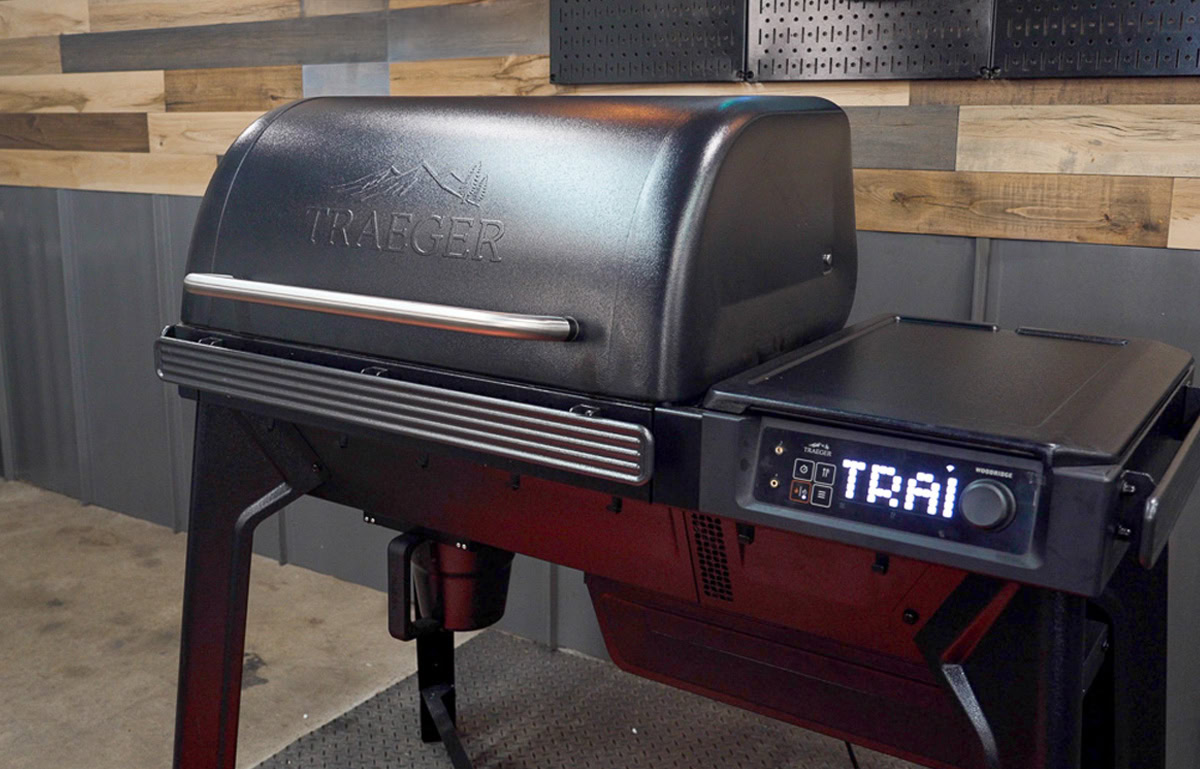
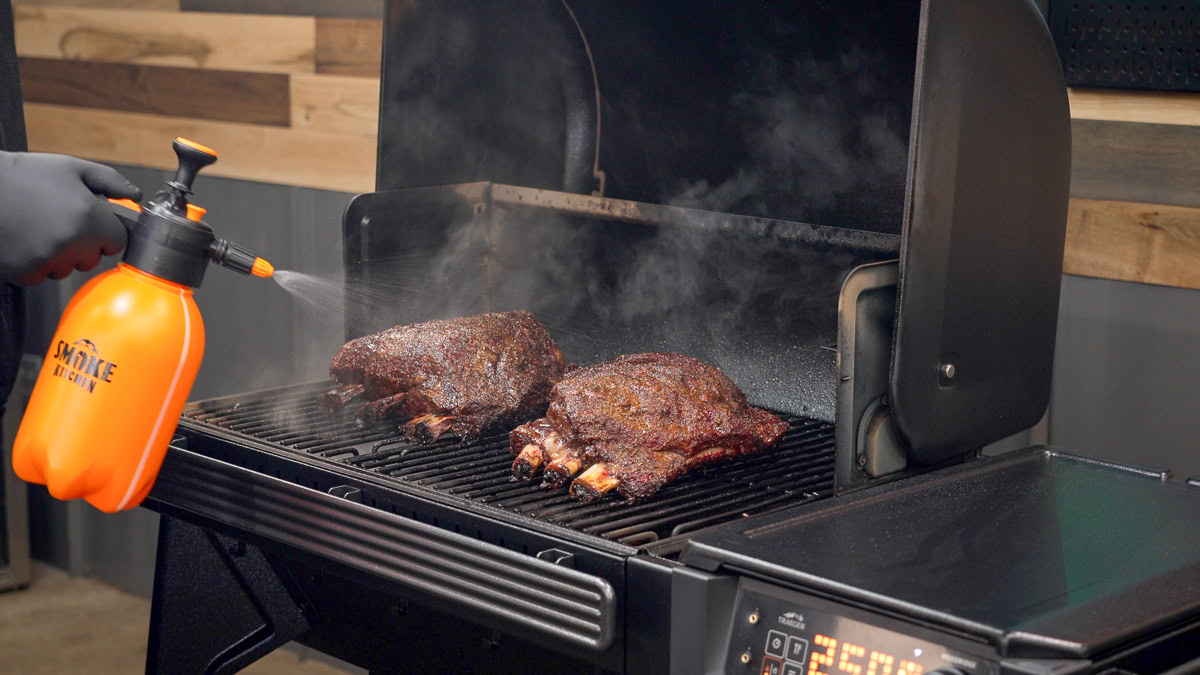
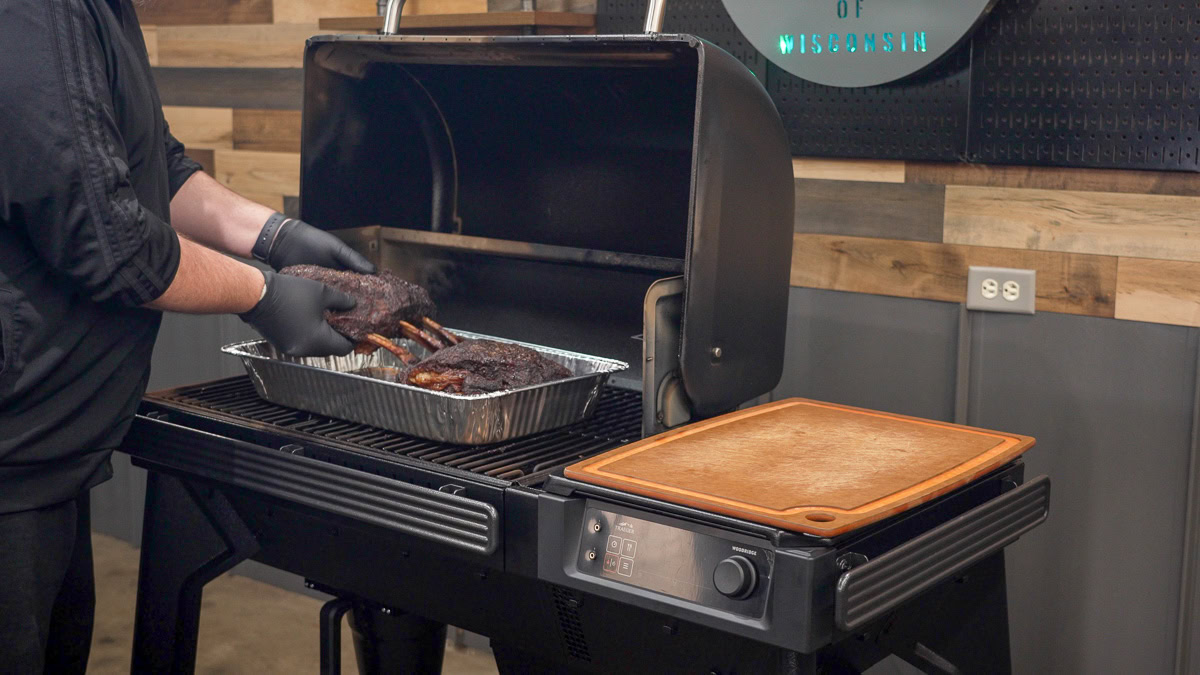
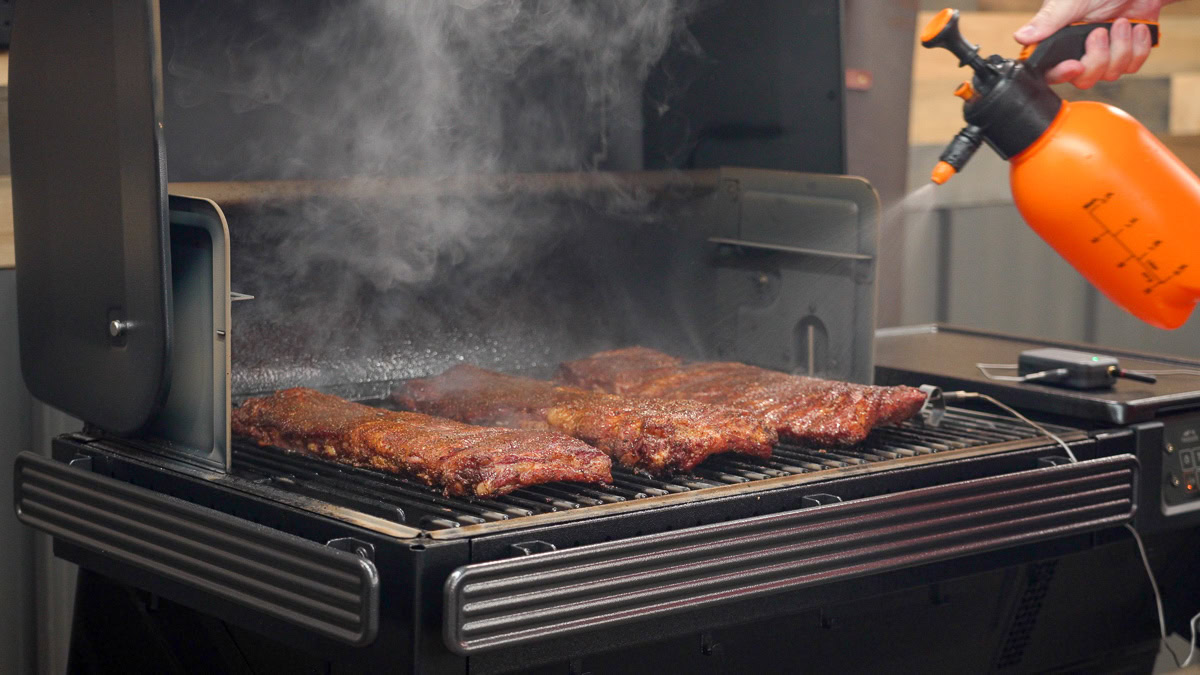
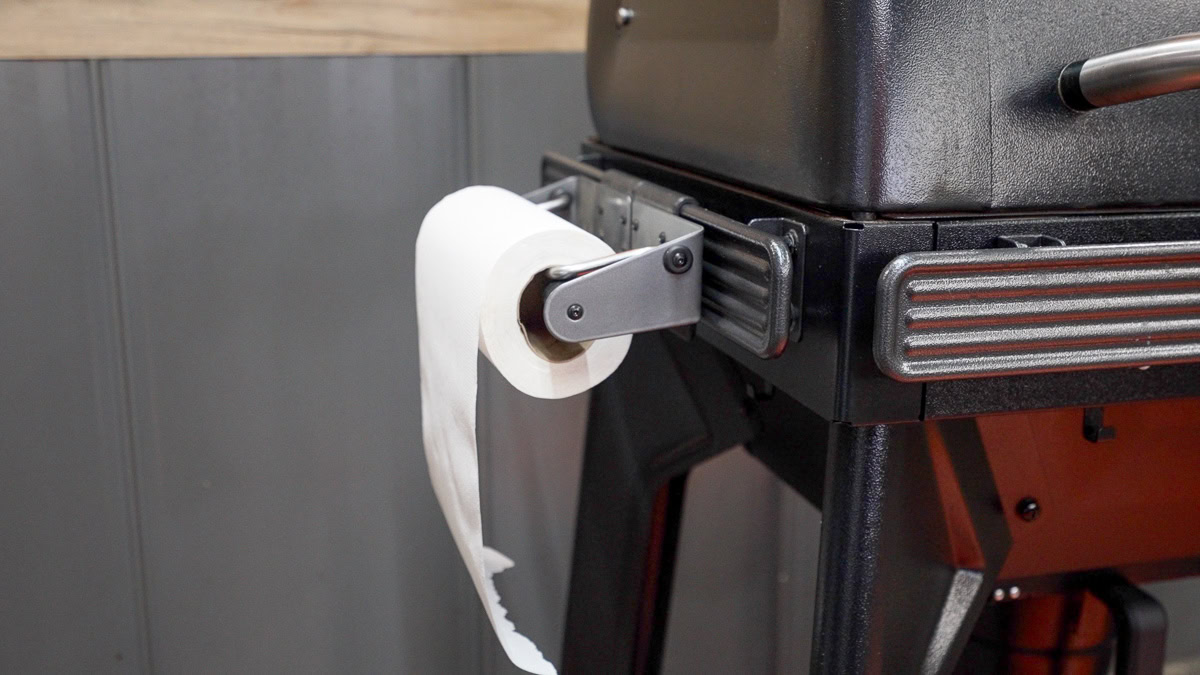
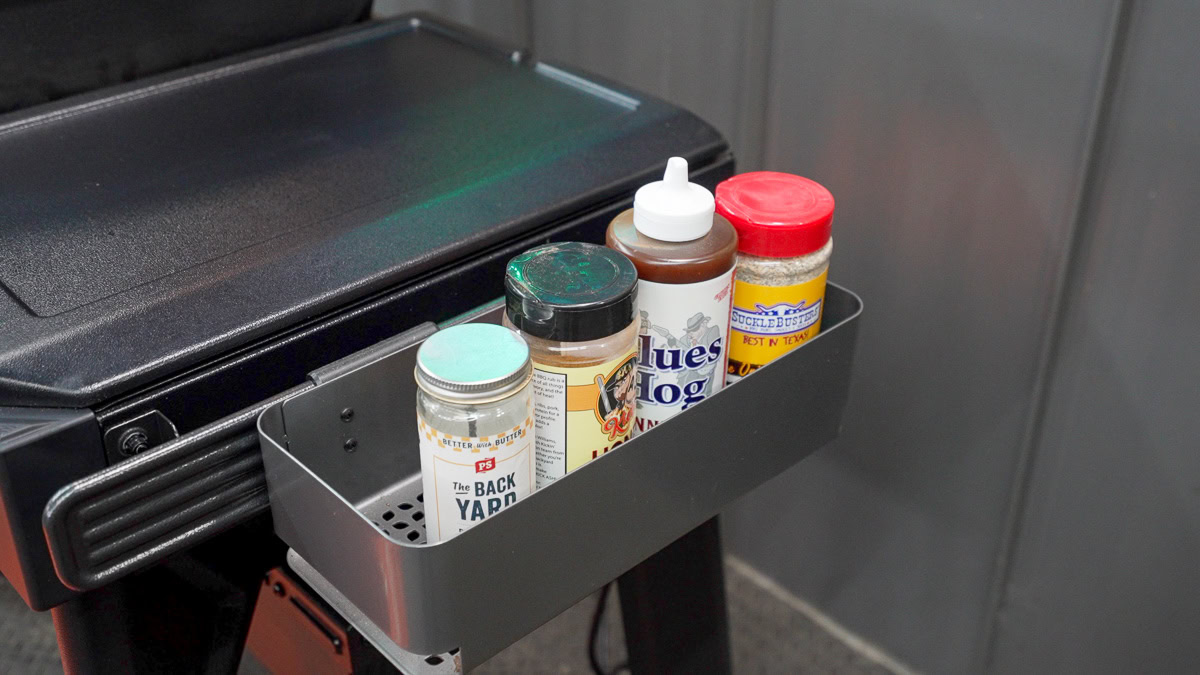
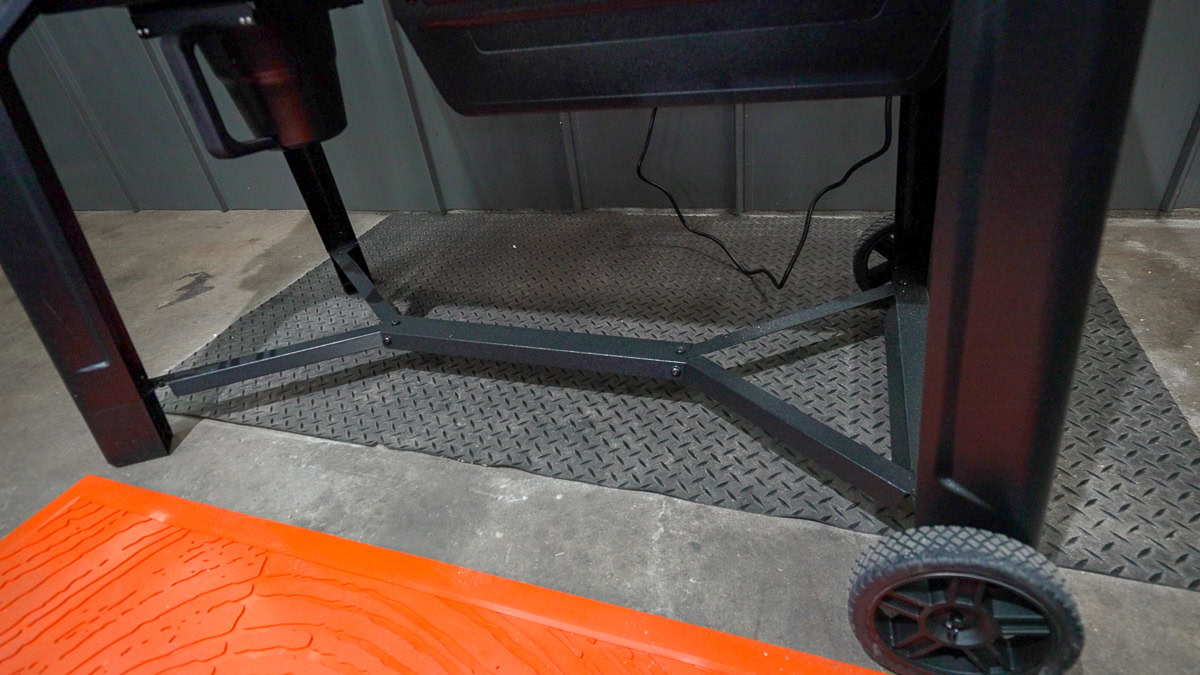
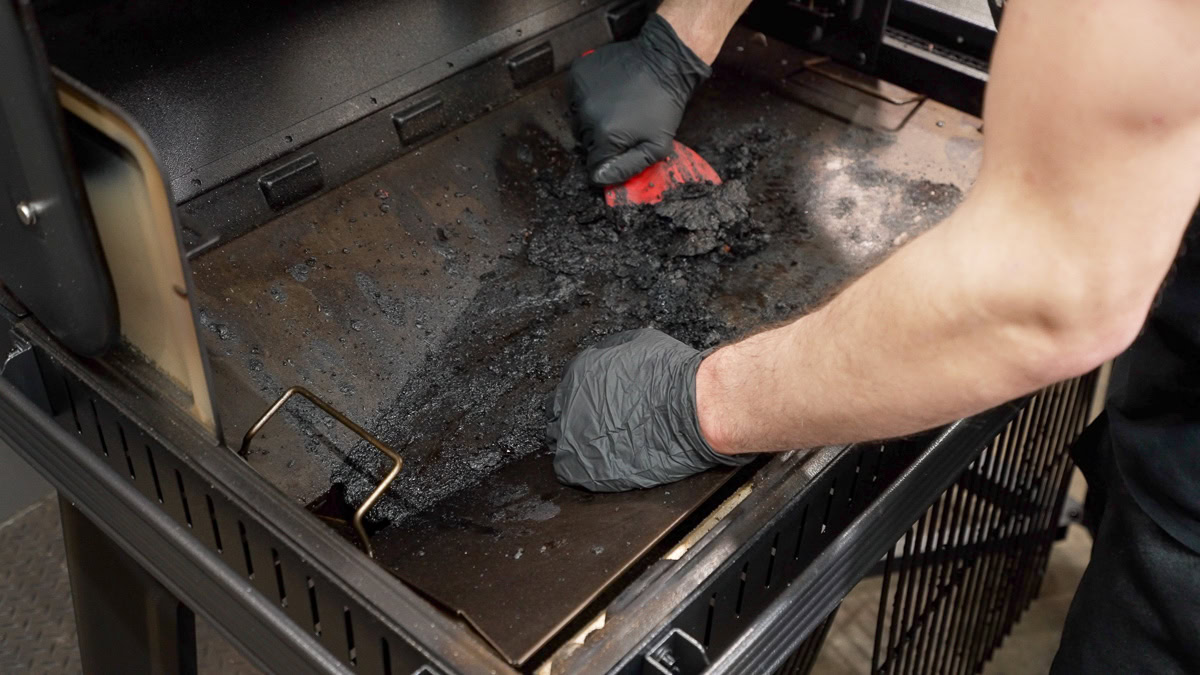
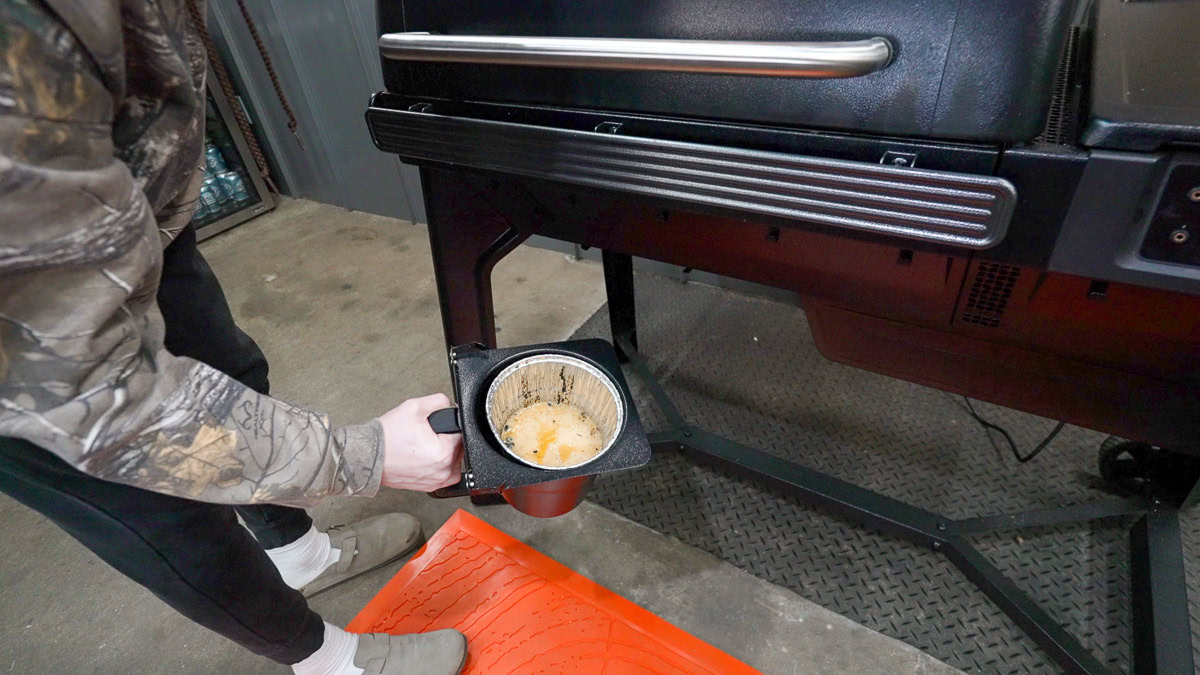
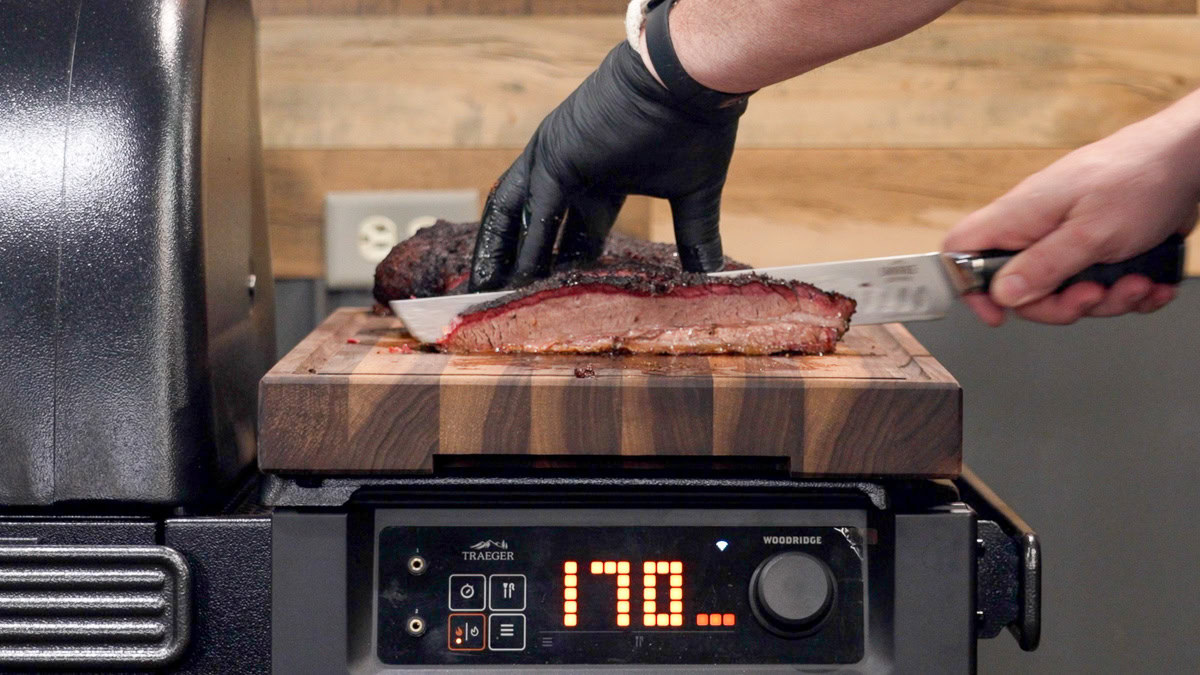
The Woodridge sits one step above the new Westwood, Traeger’s entry-level model.
It’s the upgrade pick, with more cooking space and features, and it gives you more choice, with three models to pick from: the base Woodridge, the Woodridge Pro, and the Woodridge Elite.
Compared with the base model, the Woodridge Pro and Elite add more cooking space and extra tech like Super Smoke mode and a pellet sensor.
We’ve cooked on the base Woodridge and the Woodridge Pro, and we’d recommend spending the extra $250 on the Pro.
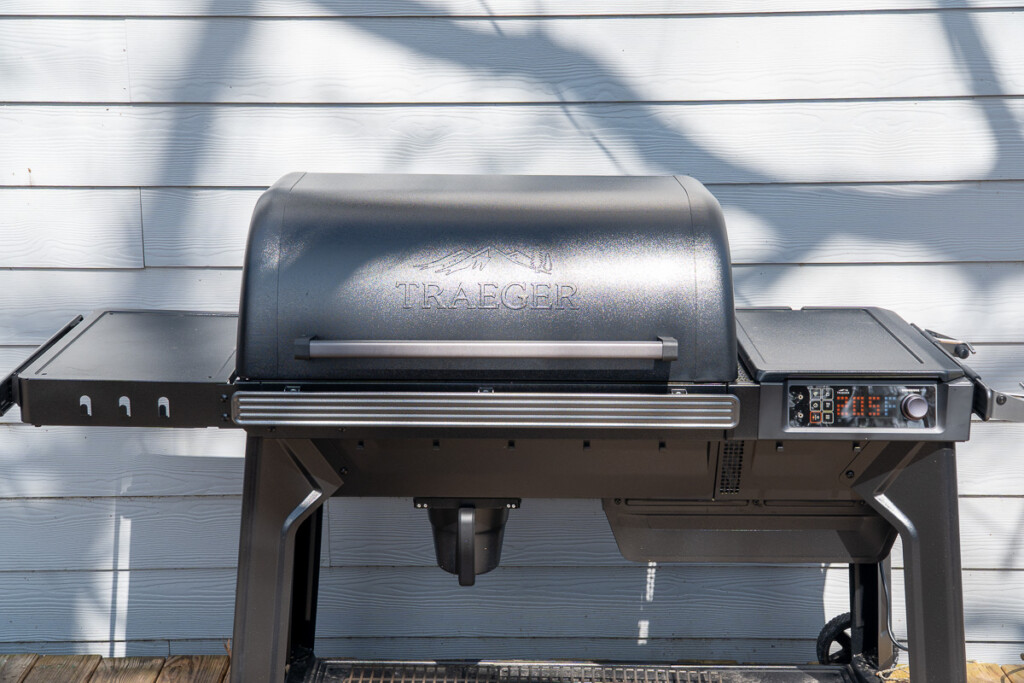
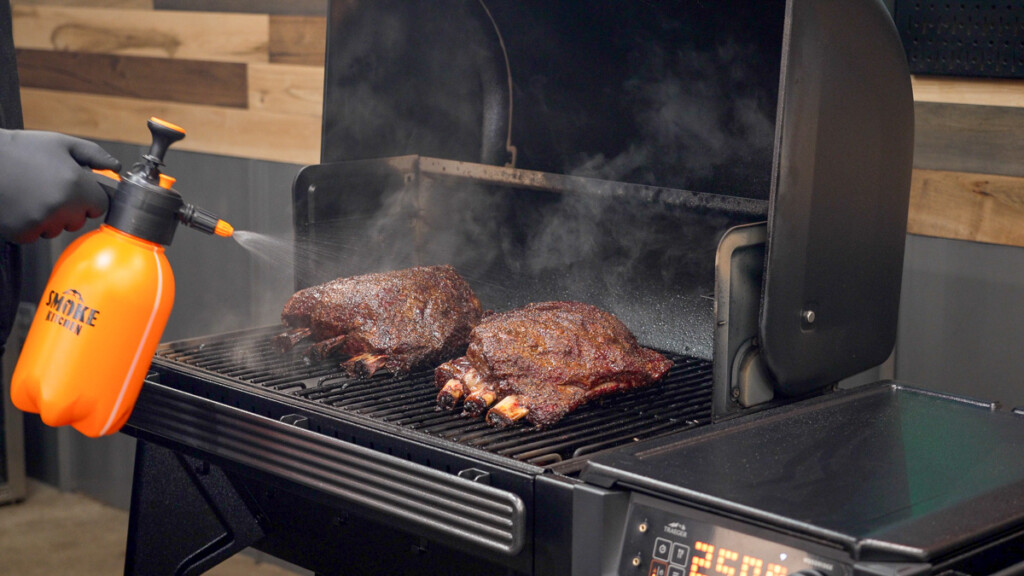
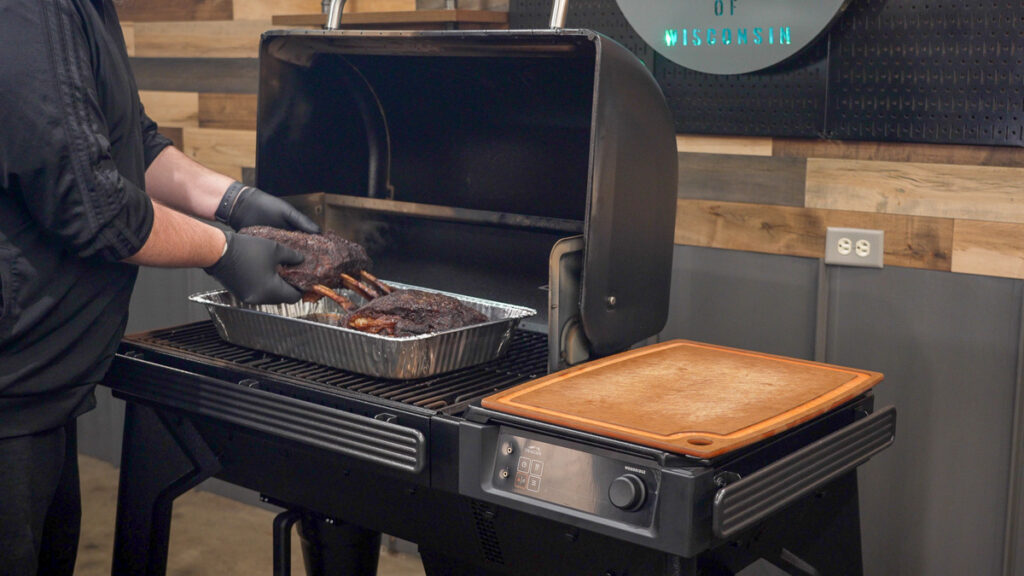
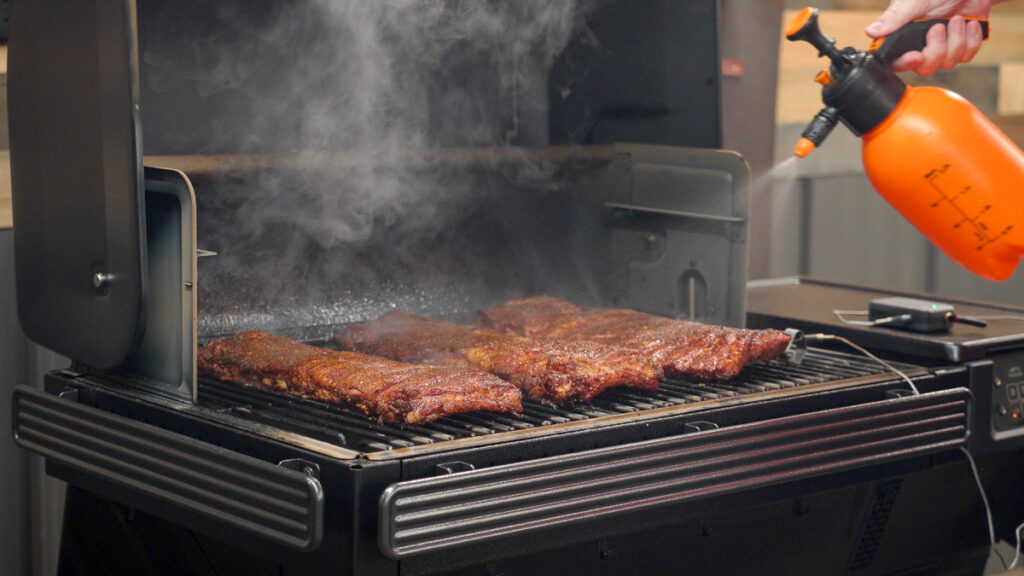
In our cooking tests, we found the Woodridge excelled at low and slow cooking, maintaining stable temperatures and producing tender, juicy results. Both the brisket and ribs we smoked had a mild smoke profile.
The grill struggled to achieve a proper sear on steaks, even with the Modifire Sear Grate.
| Woodridge | Woodridge Pro | Woodridge Elite | |
| Cooking space (sq in) | 860 (520 primary + 340 warming) | 970 (585 primary + 385 warming) | 970 (585 primary + 385 warming) |
| Weight (lbs) | 138 | 174 | 221 |
| Temperature Range (°F) | 180-500 | 180-500 | 180-500 |
| Hopper (lbs) | 24 | 24 | 24 |
| Super Smoke Mode | No | Yes | Yes |
| Pellet Sensor | No | Yes | Yes |
| Side Sear Burner | No | No | Yes |
| Price | Check Latest Price | Check Latest Price | Check Latest Price |
The Pro model adds a Super Smoke mode and bumps the grill size up to a very respectable 970 square inches of cooking area.
You can watch our full video review of the base model below.
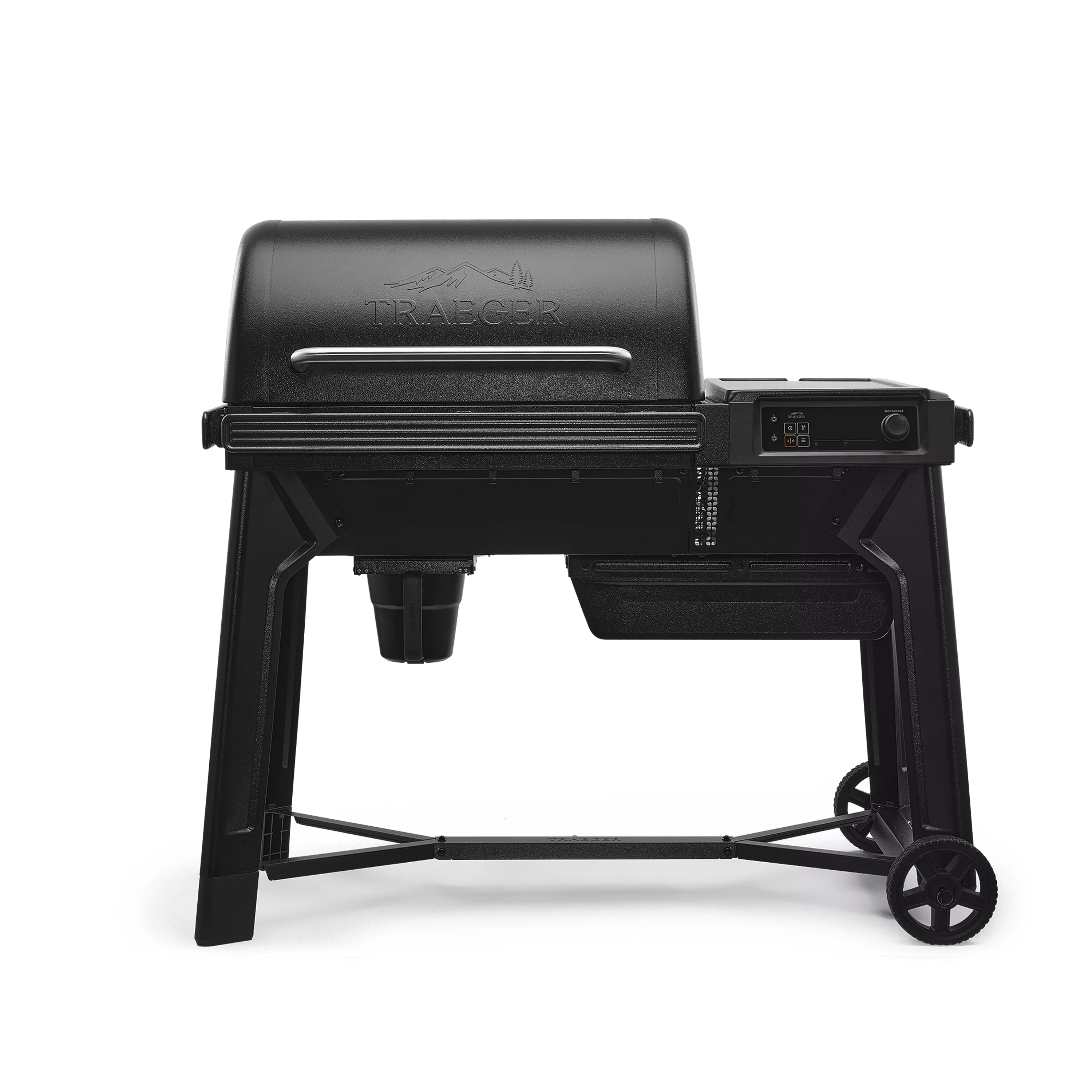
Traeger Woodridge Wood Pellet Grill
CHECK LOWE'S PRICE
CHECK BBQ GUYS PRICE
Pros:
- Large size for the price
- Digital controller and app
- Quite and efficient
Cons:
- Lack of smoke flavor on base model
- Poor high heat searing
- Base model lacks features
2. Traeger Ironwood Wood Pellet Grill
Read our full Traeger Ironwood review.
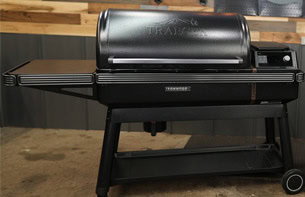
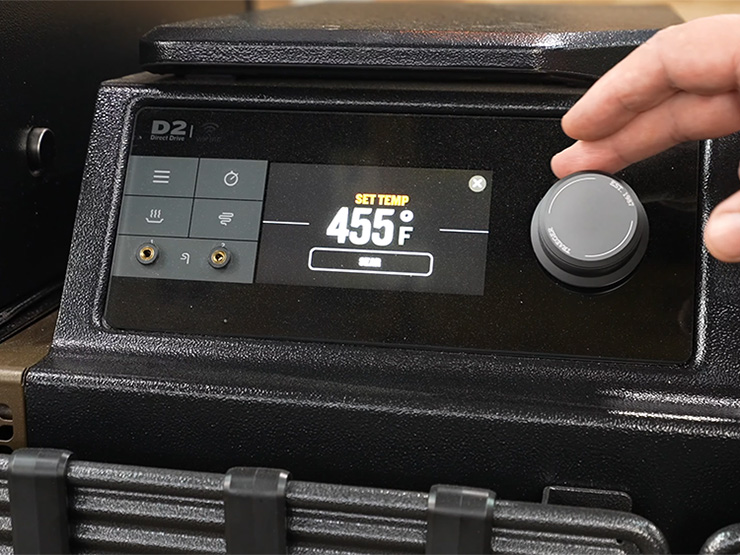
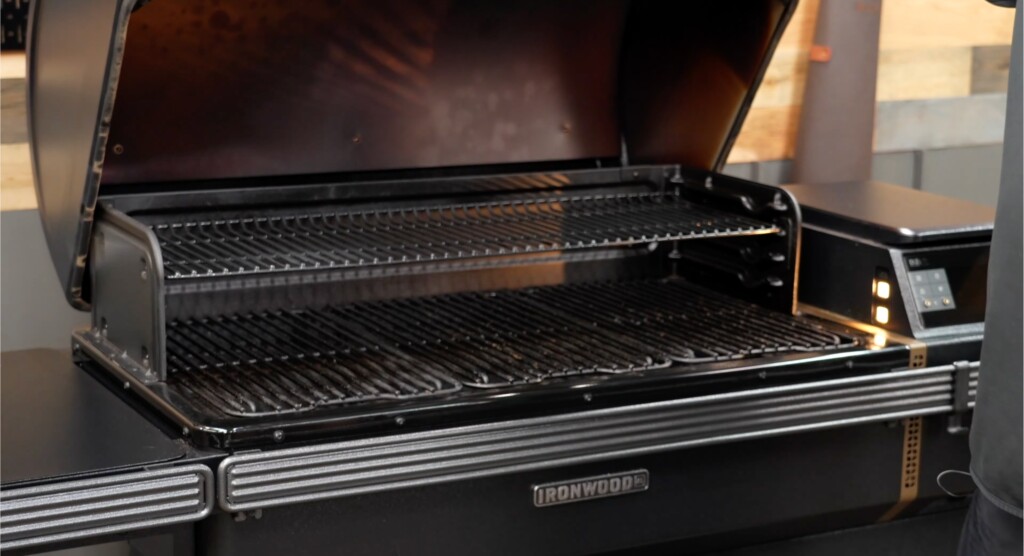
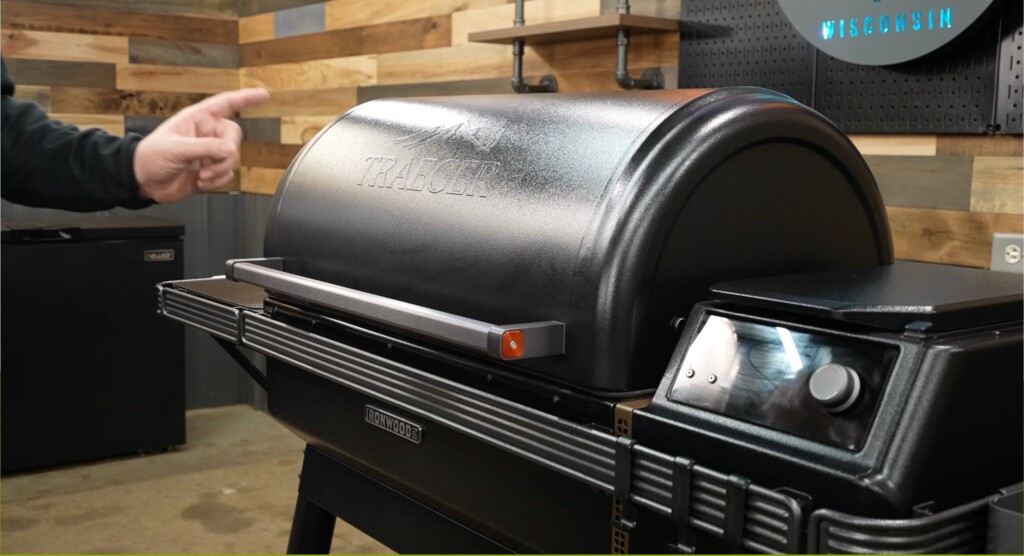
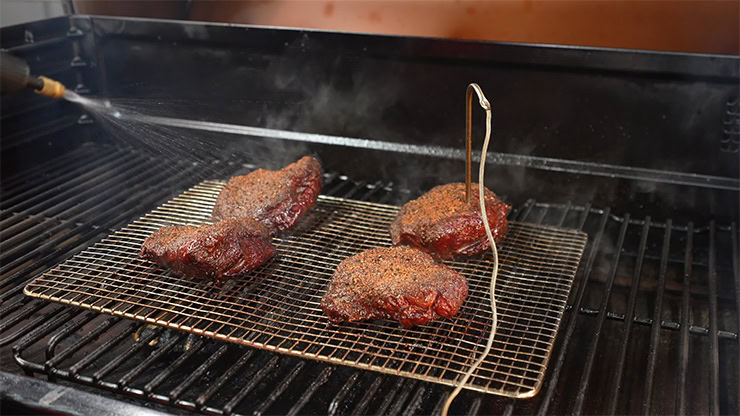
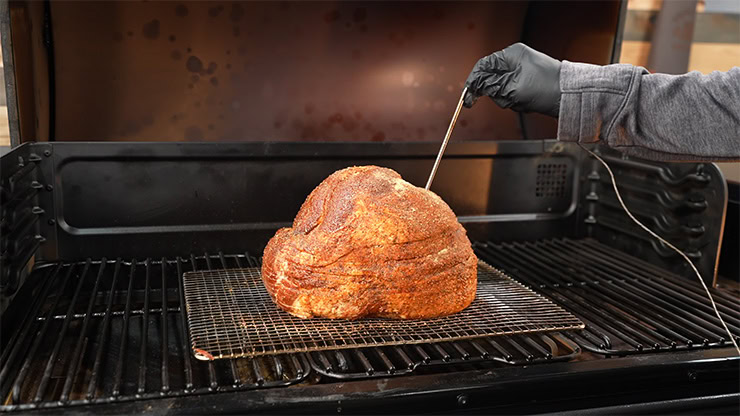
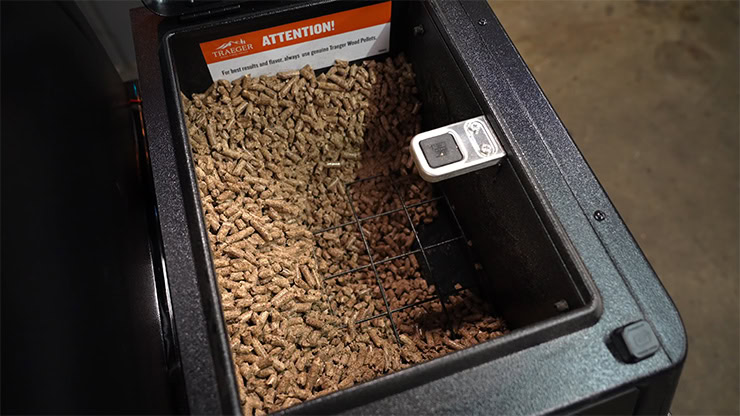
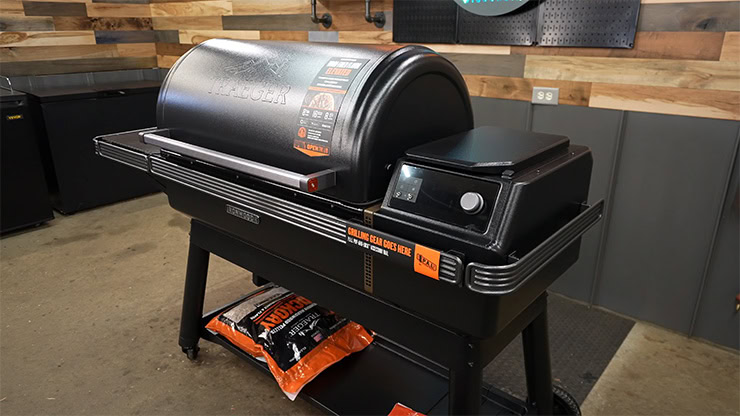
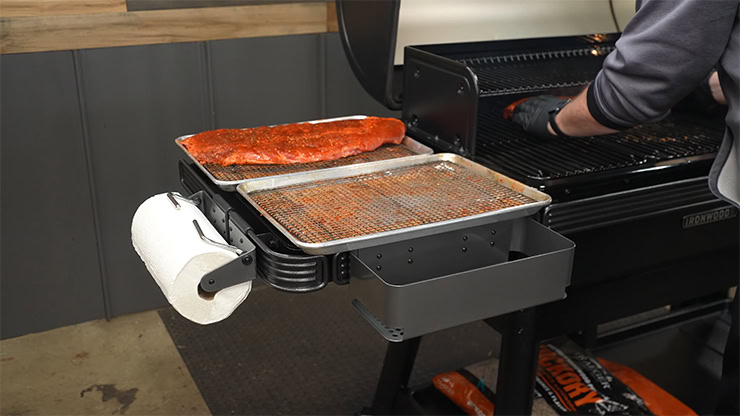
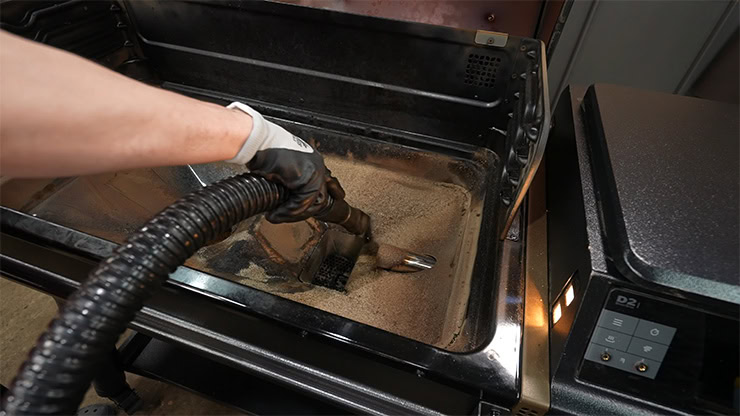
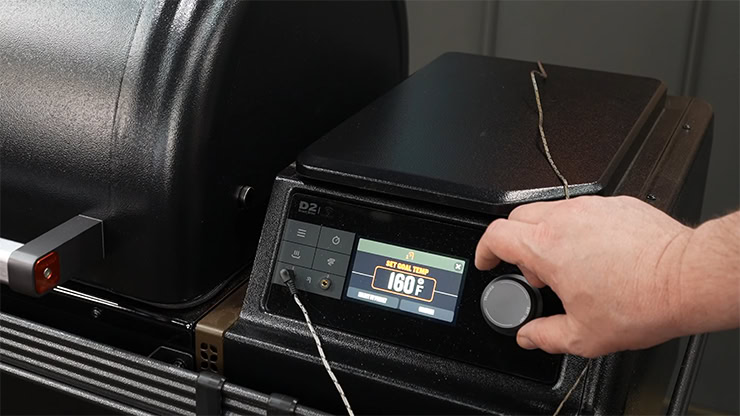
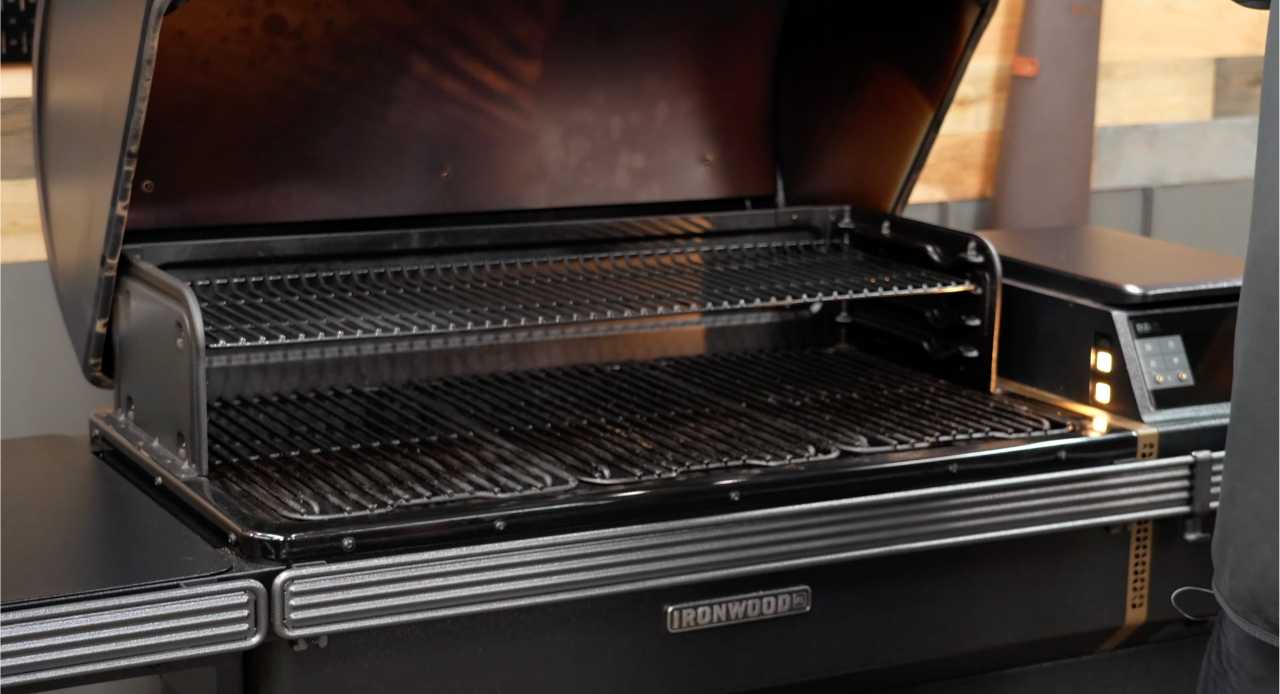
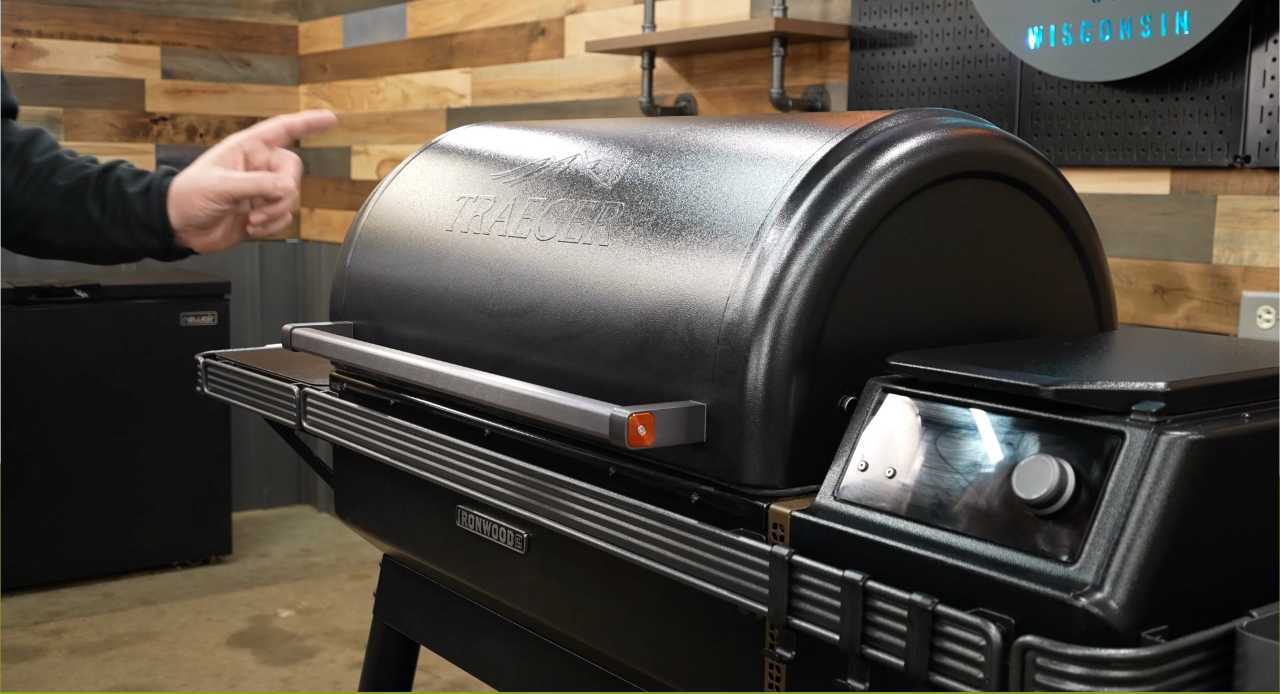
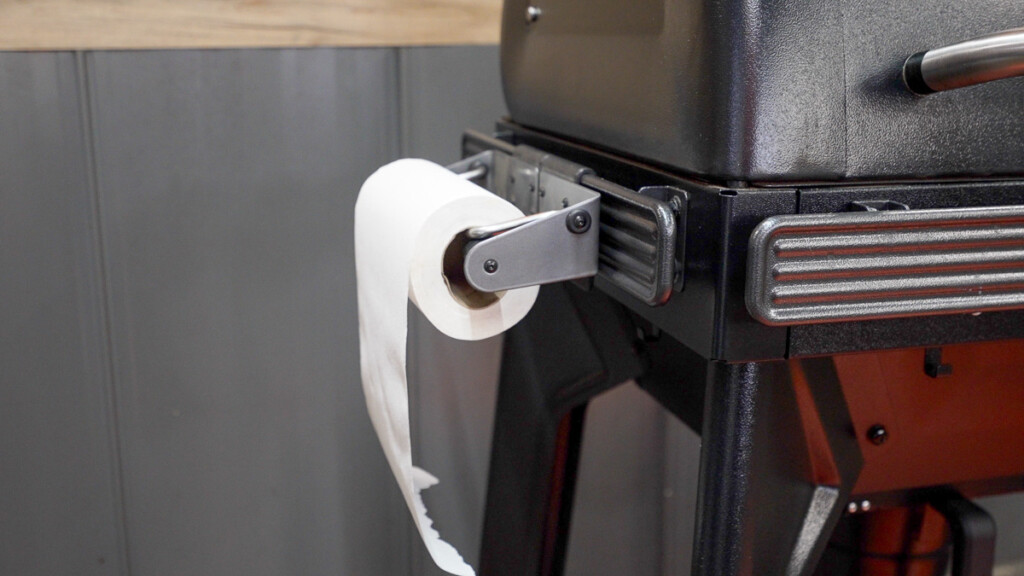
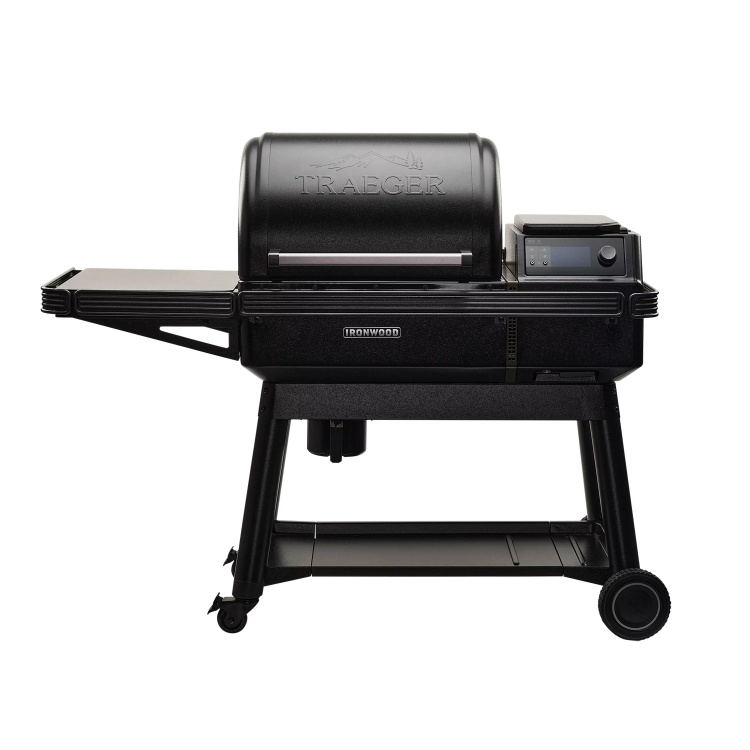
The Ironwood sits in the middle of the Traeger lineup. Like the top-of-the-range Timberline, it was updated in 2023 with a new color display, improved insulated construction, and a range of customization options with the P.A.L. accessory system.
Until the Woodridge Pro launched, we considered the Ironwood the best Traeger for most people because of its size and useful tech without the eye-watering Timberline price tag.
Now that you can get Super Smoke on the Woodridge, the Ironwood isn’t quite as appealing, although the build quality and cart are still a lot nicer.
The only difference between the base Ironwood and the XL is size, so it comes down to how many people you plan to cook for.
Traeger Ironwood Specifications:
| Ironwood | Ironwood XL | |
| Cooking capacity | 616 Sq in | 924 Sq in |
| Pellet hopper capacity | 22 Pounds | 22 Pounds |
| Grilling area | Rack 1 – 396 Sq in Rack 2 – 220 Sq in | Rack 1 – 594 Sq in Rack 2 – 330 Sq in |
| Max temperature | 500°F | 500°F |
| Weight | 199 Lbs | 243 Lbs |
The Ironwood shares many features with the more expensive Timberline. It now has the ‘DownDraft Exhaust’ and ‘Super Smoke® Mode’ features that used to be unique to the Timberline.
You also have the option to change the smoke level and a pellet sensor.
While it does sound a bit like marketing jargon, these features do seem to help circulate fresh smoke, keeping smoke in the chamber and maintaining even temp.
When Traeger updated the Ironwood design, they added good prep areas and a storage shelf. The P.A.L accessory system allows you to add on extras like a front shelf and storage bin.
For a detailed look at this grill, check out the video below.
You’ve also got some handy features that make this grill easy to use, like the keep warm mode and options to create custom cook settings via the digital control panel or app.
The Ironwood series offers a middle ground between the pricier Timberline and the smaller, more basic Woodridge series.
The Timberline does have some nice features (we’ll get to those in a minute), but the price jump is huge.
Traeger Ironwood Pellet Grill
CHECK ACE HARDWARE PRICE
CHECK BBQ GUYS PRICE
4.2
Pros:
- Large cooking area
- Technological features
- Sturdy and durable build
- Smoke profile
- Easy to clean
Cons:
- No firepot cleanout
- Only 2 rotating, locking caster wheels
3. Traeger Timberline Wood Pellet Grill
Read our full Traeger Timberline review.
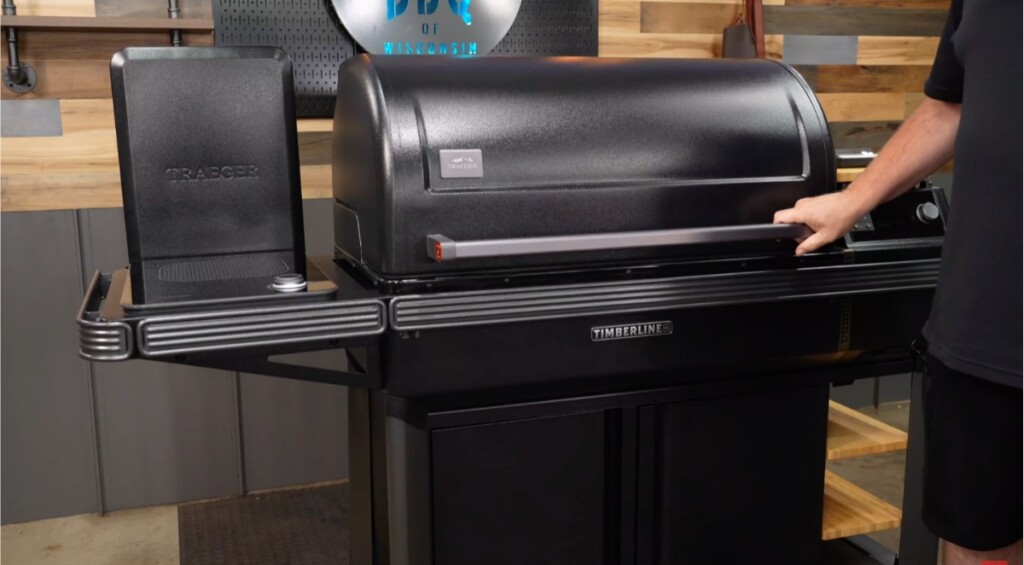
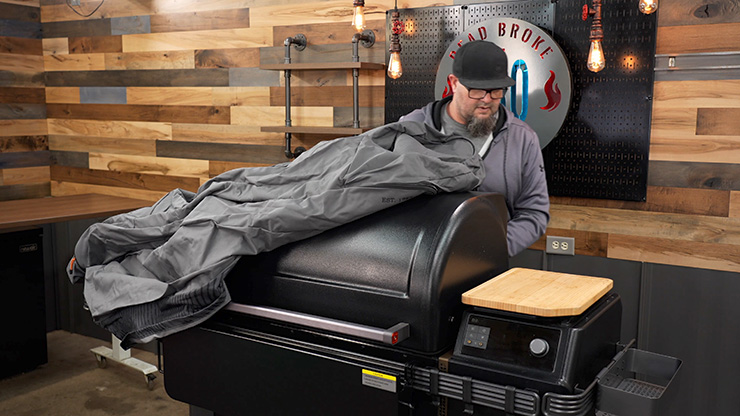
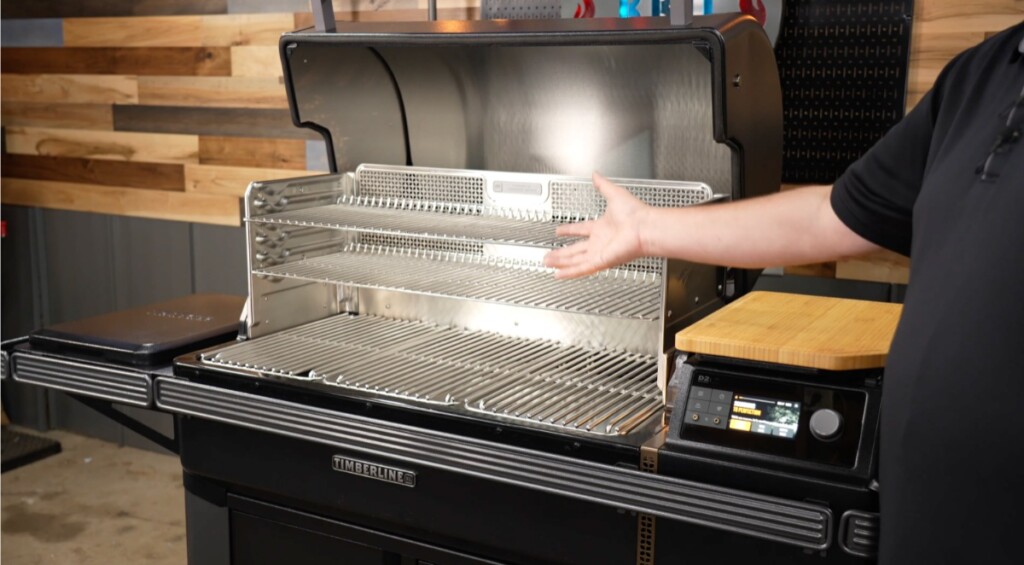
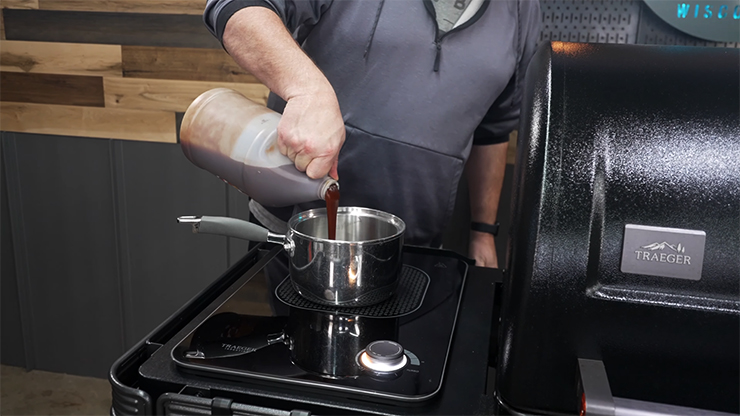
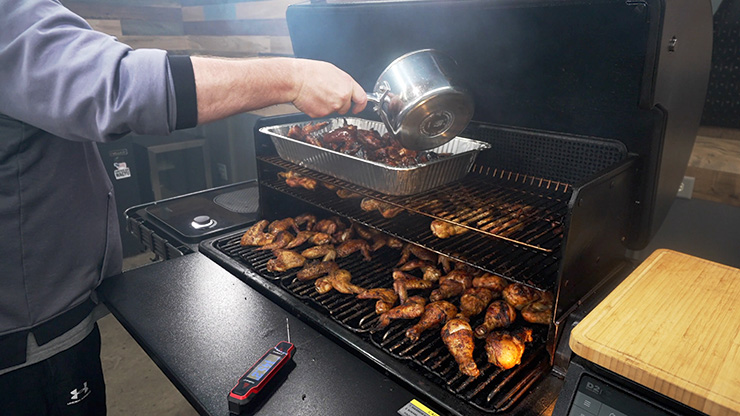
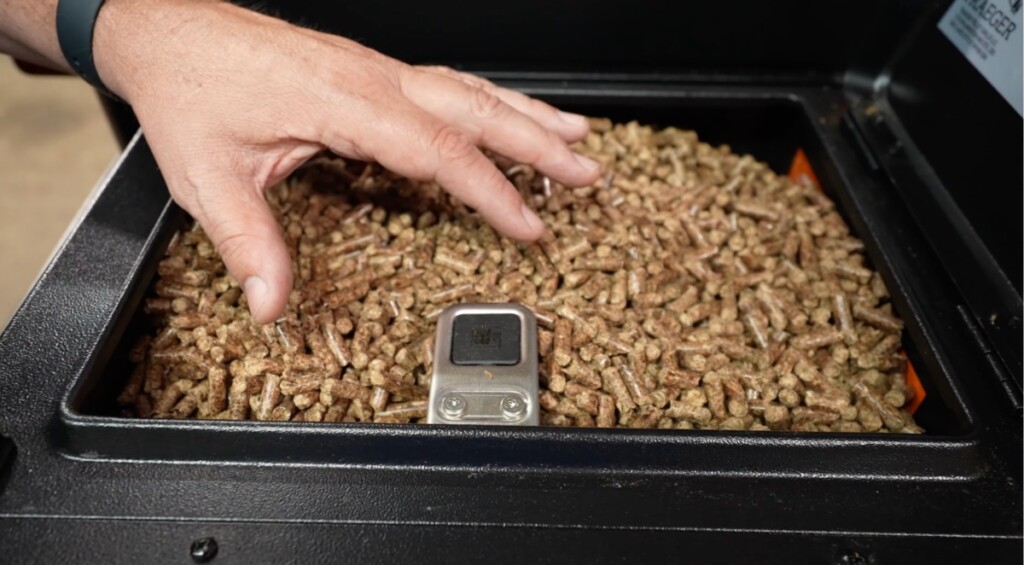
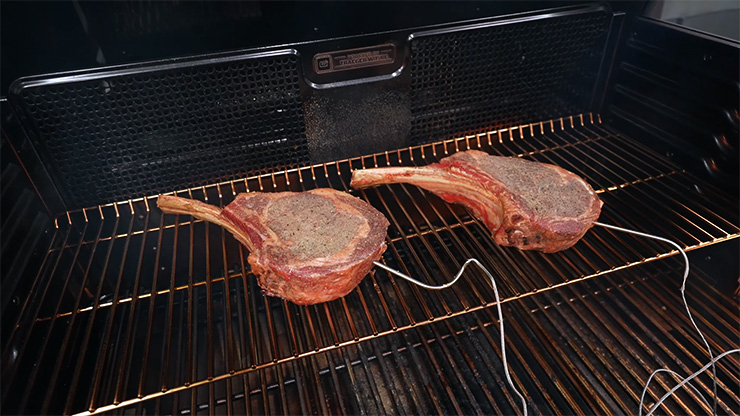
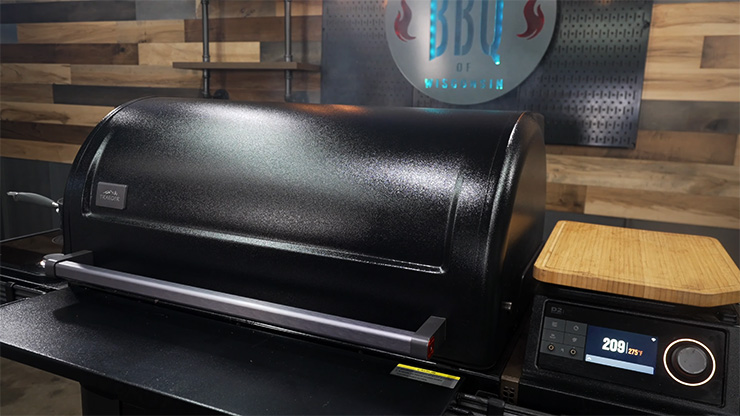
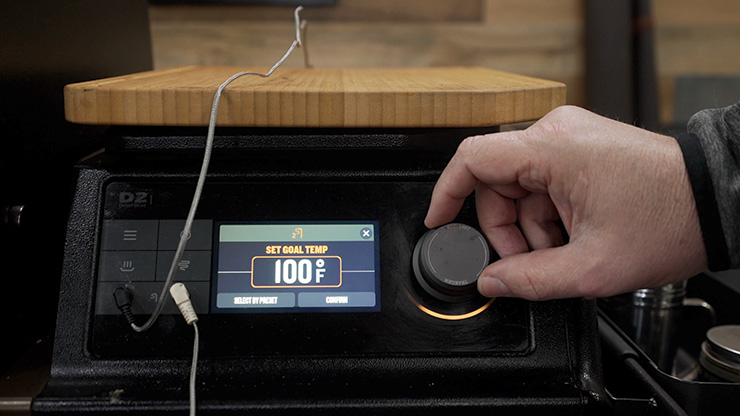
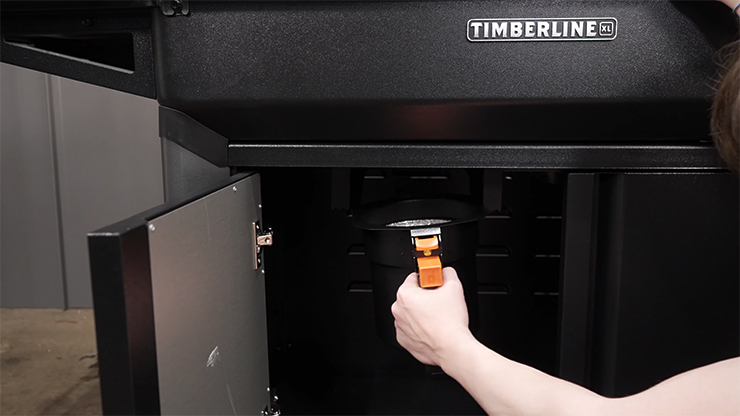
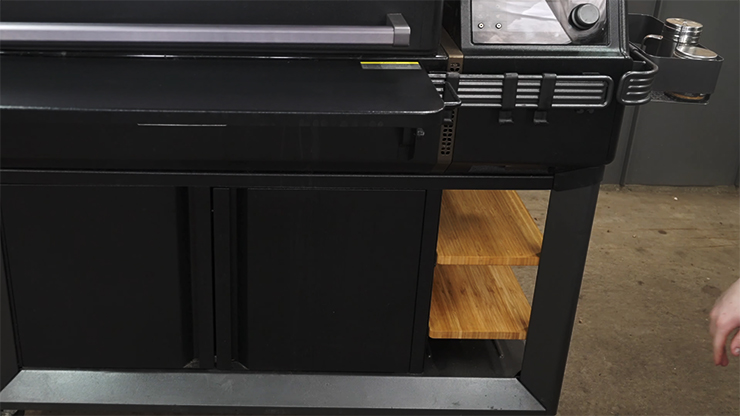
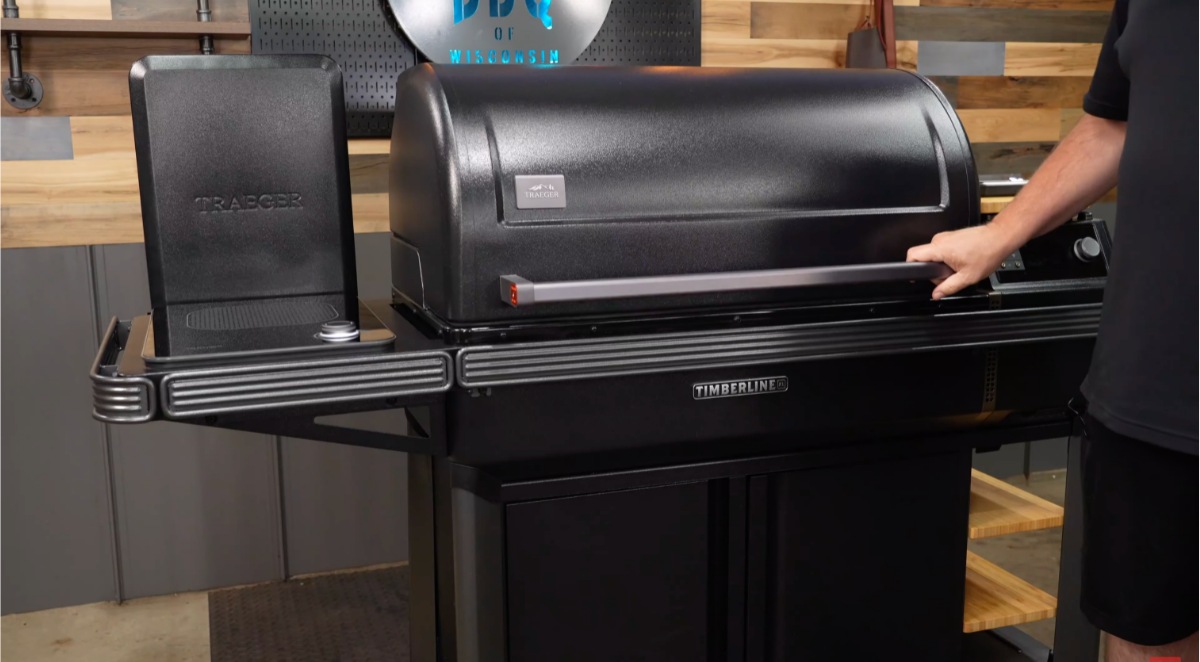
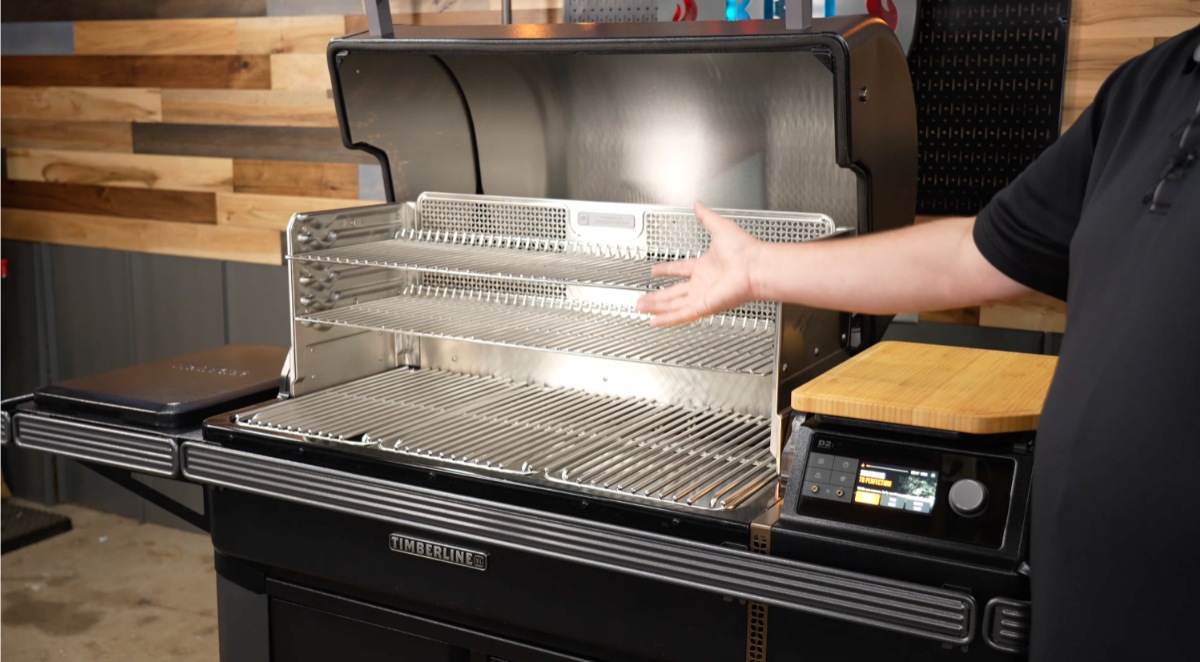
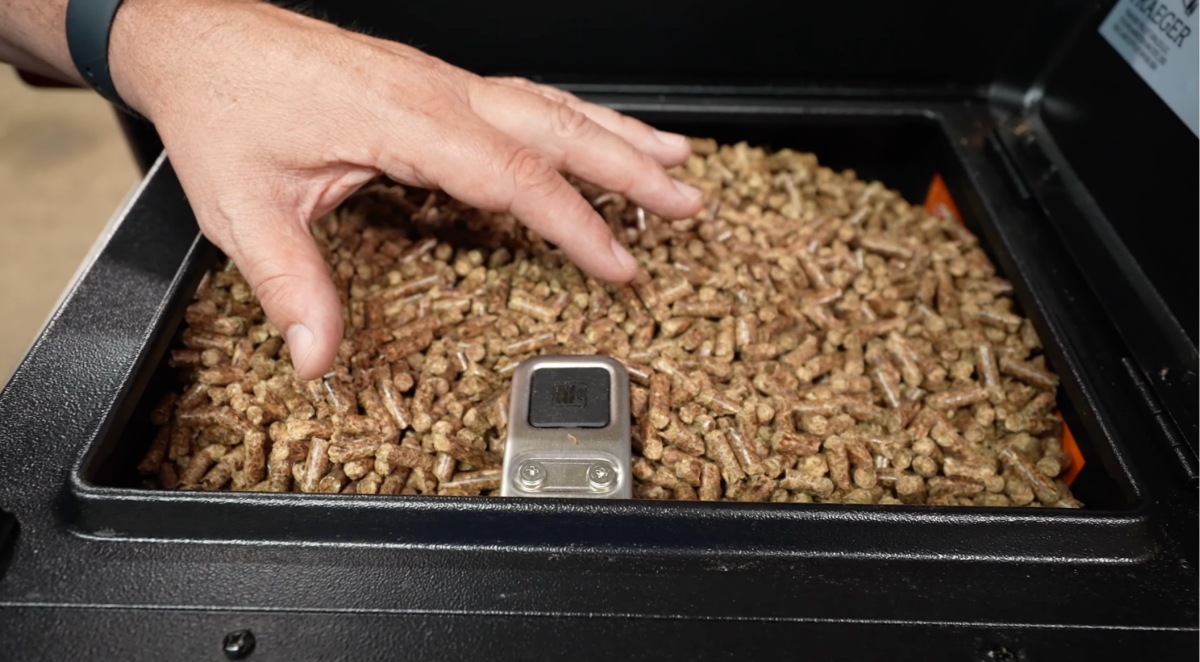
When Traeger released the new version of the Timberline, they updated the cart design to make it more of an all-in-one outdoor kitchen.
The new design includes a cabinet, more storage options, and a built-in induction plate for prepping sauces, sides, and searing meat. Like the Ironwood, it uses the P.A.L. Pop-And-Lock system to customize your grill with various attachments.
I’ve been cooking on the Timberline for about a year, and it has continued to surprise me.
Traeger Timberline Specifications:
| Timberline | Timberline XL | |
| Cooking capacity | 880 Sq In | 1320 Sq in |
| Pellet hopper capacity | 22 Lbs | 22 Lbs |
| Grilling area | Rack 1 – 396 Rack 2 – 242 Rack 3 – 242 | Rack 1 – 594 Rack 2 – 363 Rack 3 – 363 |
| Weight | 238 Lbs | 289 Lbs |
| Max temperature | 500°F | 500°F |
| Exterior material | Painted steel |
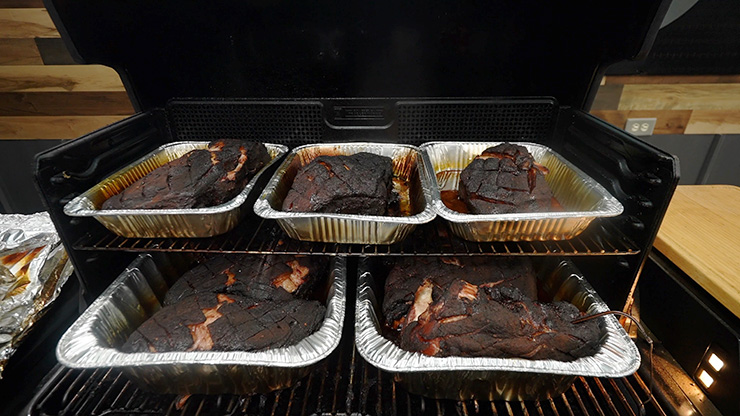
During my cooking tests, I found the brisket I smoked had noticeably more flavor from the smoke output.
I was also pleasantly surprised that I could get the grill grates hot enough to sear steaks.
This makes it a versatile option for those who want to cook a wide variety of food.
The grill starts up relatively fast for its size, and the large touchscreen controller is a joy to use.
I love how they implemented the oven-style racking system so you have a lot of flexibility in how you position the grates to fit whatever you’re smoking.
The one big knock against the Timberline is the price point. It is one of the most expensive pellet smokers on the market. Even the smaller Timberline costs almost $1,000 more than the made-in-the-USA Yoder YS640 (we have a detailed comparison of those two smokers you can check out).
If you want the latest and greatest and have the cash, we think it’s worth the investment. Traeger has the best tech and app out of every pellet grill we’ve tested. All the outdoor kitchen features help to justify the price.
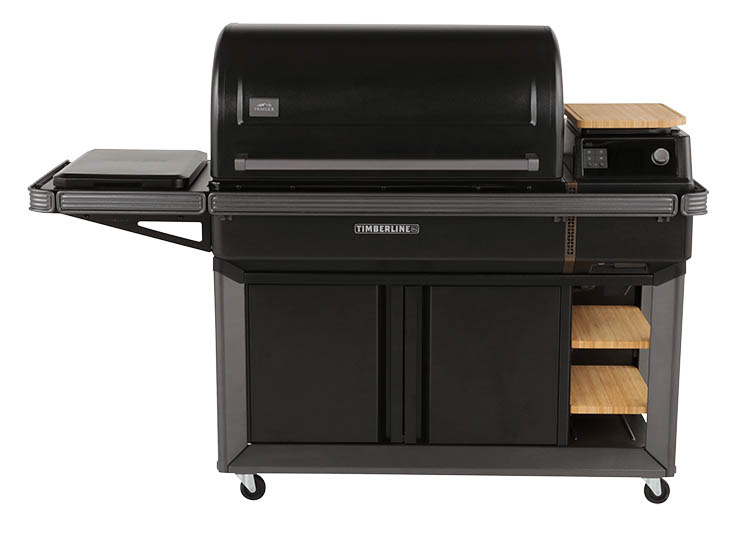
Traeger Timberline XL WiFi Pellet Grill
Check Latest Price
3.9
Pros:
- Easy-to-use full-color touchscreen PID controller
- Temperature range up to 500°F
- Smoke insulation
- Built-in induction plate
- Oven-style racking system
Cons:
- Small sized wheels
- High price
4. Tailgater Portable Pellet Grill
Read our full Traeger Tailgater review.
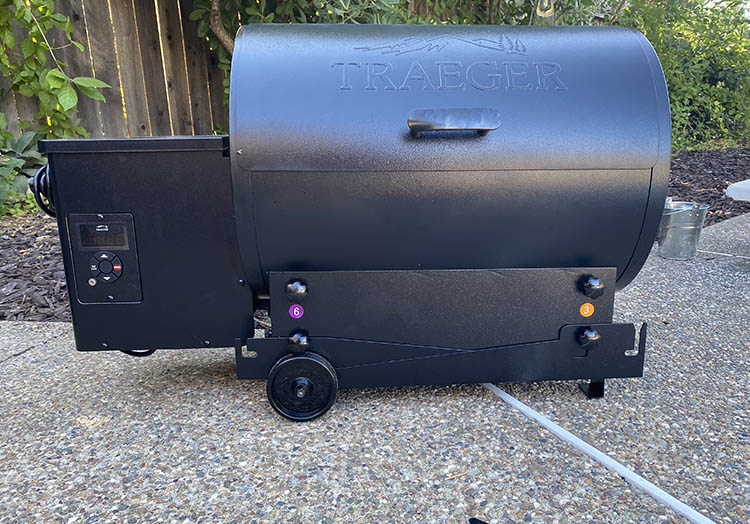
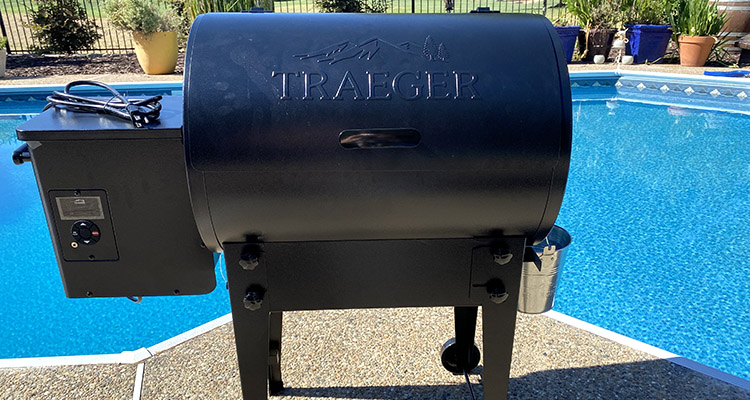
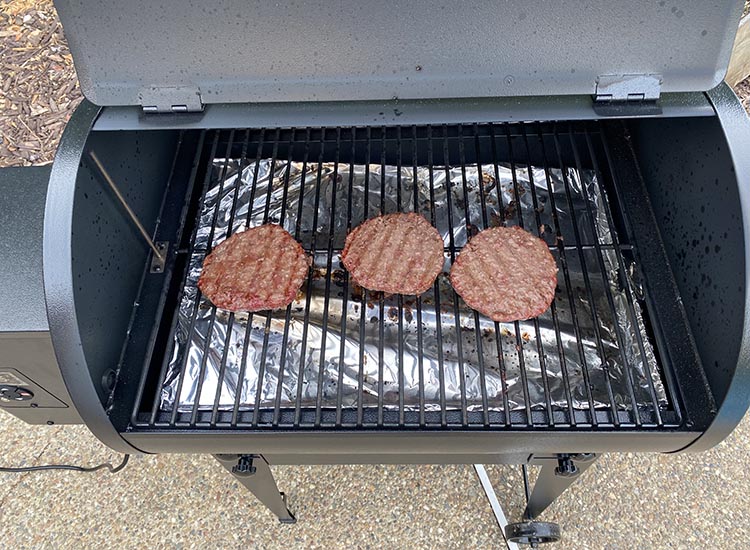
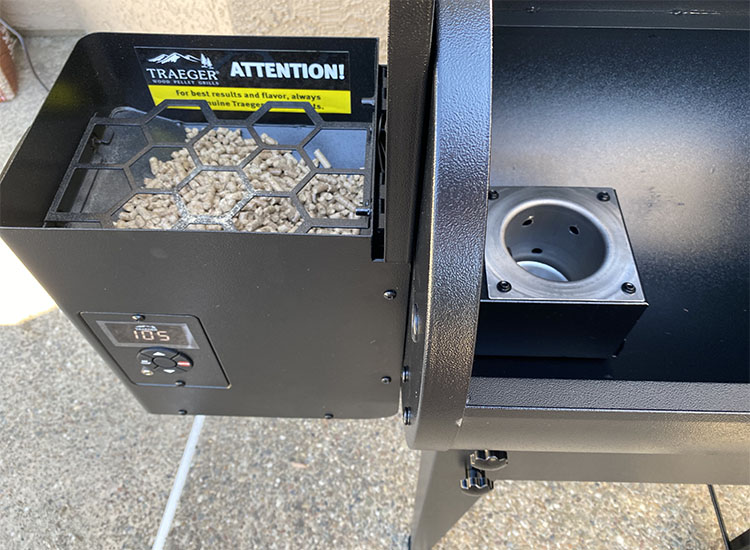
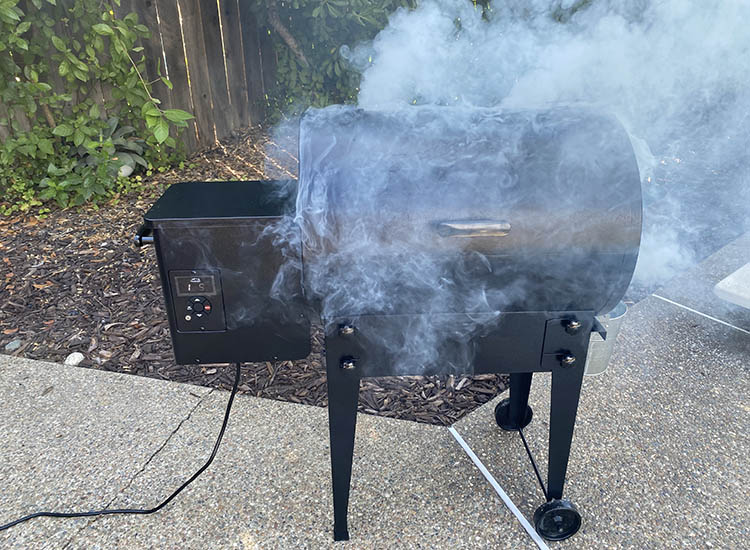
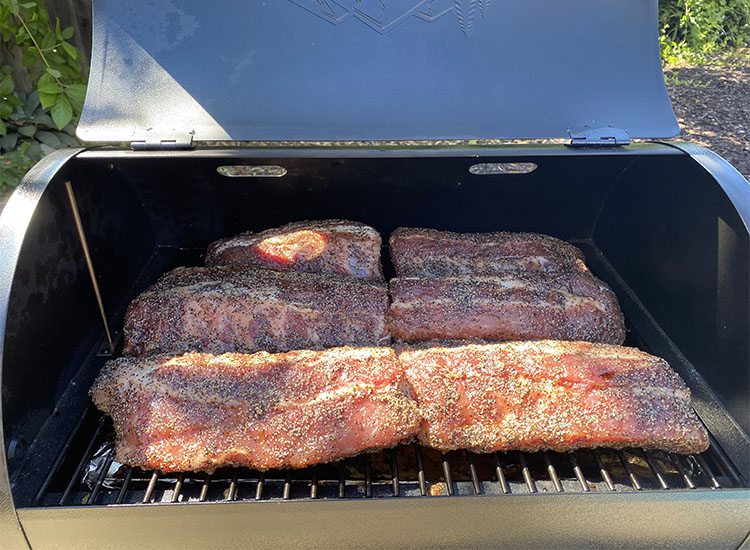
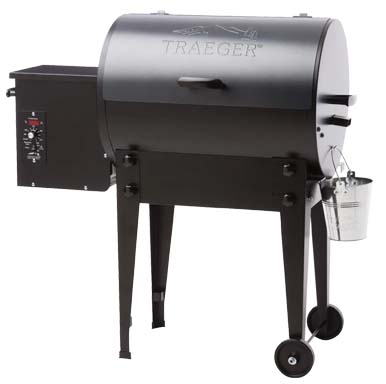
The Tailgater is Traeger’s attempt to offer the convenience and flavor of cooking with pellets in a portable format.
With 300 square inches of cooking space, the Tailgater can handle 3 racks of ribs, although it will be a tight fit.
The grill weighs 62 lbs and measures 36 x 37 x 18 inches. The pellet hopper can hold 8 lbs, which should allow 4-6 hours of cooking without refilling.
The EZ-Fold legs are a handy feature that allows you to wheel the grill onto the bed or your truck.
What you gain in portability, you give up on features. The Tailgater doesn’t include WiFi or any other improvements from more recent Woodridge, Ironwood, or Timberline grills.
The Tailgater is showing its age, and it it’s past overdue for a refresh. For a reason we don’t understand, no grill company seems interested in coming up with new portable pellet grill designs.
This grill still performs well and can handle anywhere from 180 – 450°F. The digital controller keeps temperatures fairly stable within 20 degrees of your set temperature.
Traeger Tailgater Specifications:
| Cooking capacity | 300 Sq In |
| Pellet hopper capacity | 8 Pounds |
| Main grilling area | 300 Sq In |
| Max temperature | 450°F |
| Exterior material | Painted steel |
| Weight | 62 Lbs |
Traeger also sells the smaller Ranger, which we cover in more detail in our best portable pellet grills guides.
While there’s something nice about grilling with charcoal when you are camping, you can’t beat the versatility of a pellet grill. Being able to bake, grill, and smoke is super convenient when you can only take one grill with you.
Traeger Tailgater Portable Pellet Grill
Check Amazon Price
CHECK BBQ GUYS PRICE
Pros:
- Great at grilling and smoking
- Folds down to easily fit in the trunk
- Easy to clean
Cons:
- Folding legs can be tricky for one person to deploy
11/04/2026 07:17 am GMT
5. Traeger Westwood
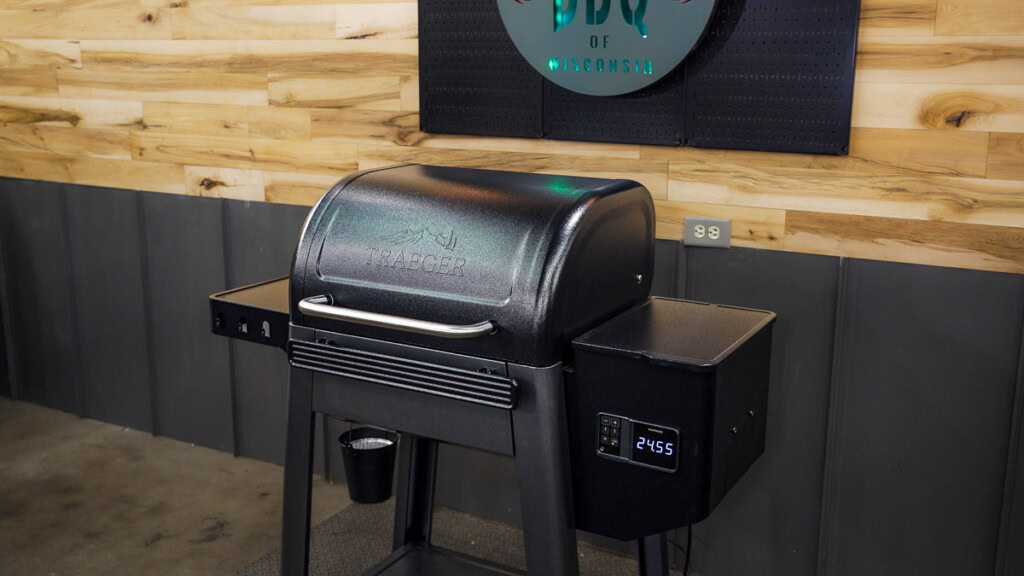
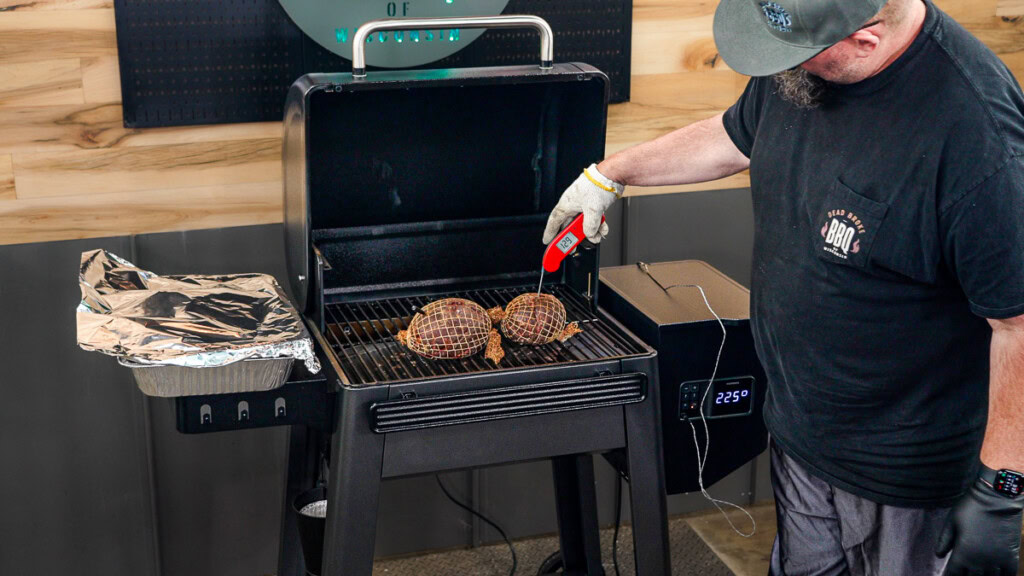
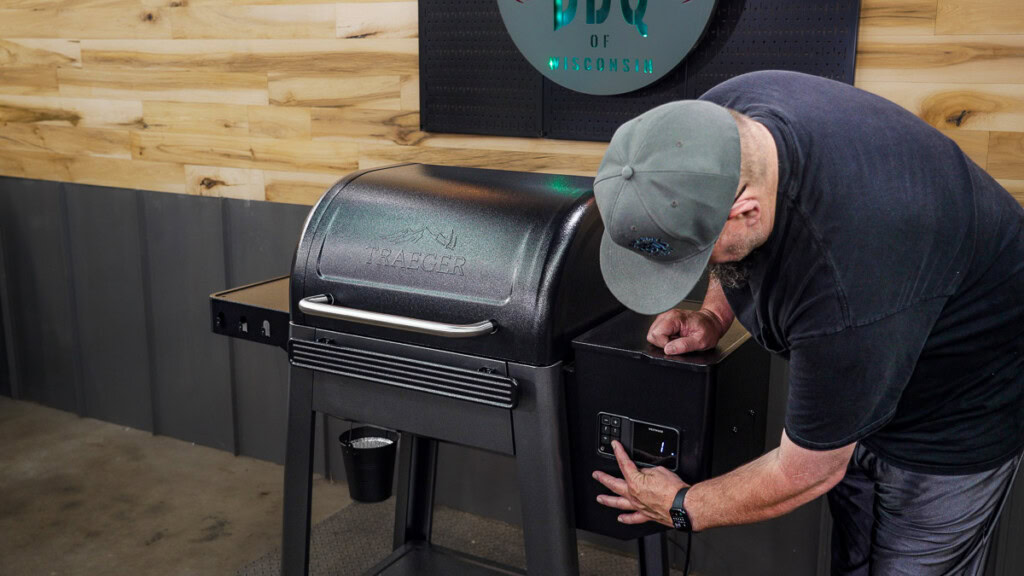
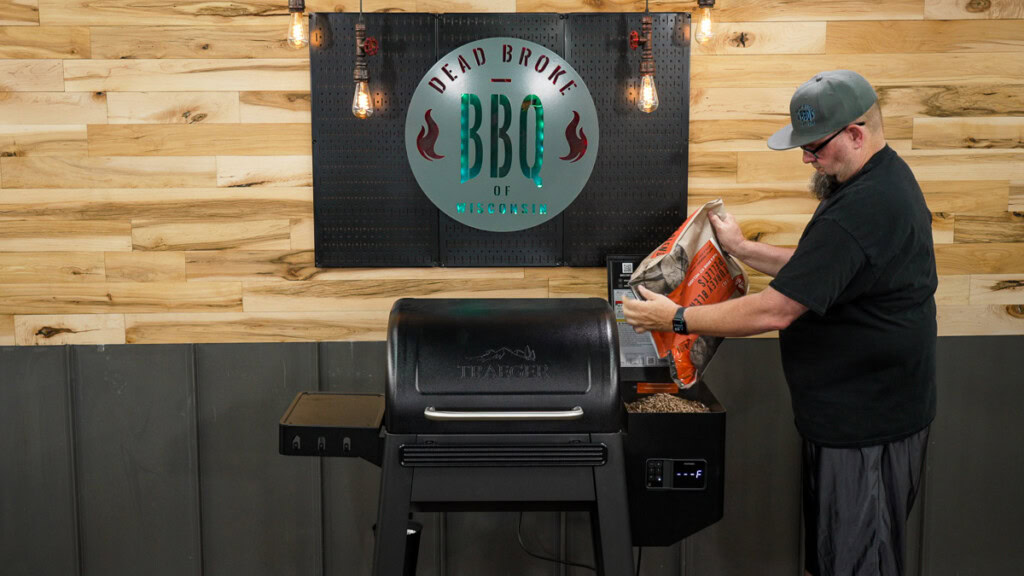
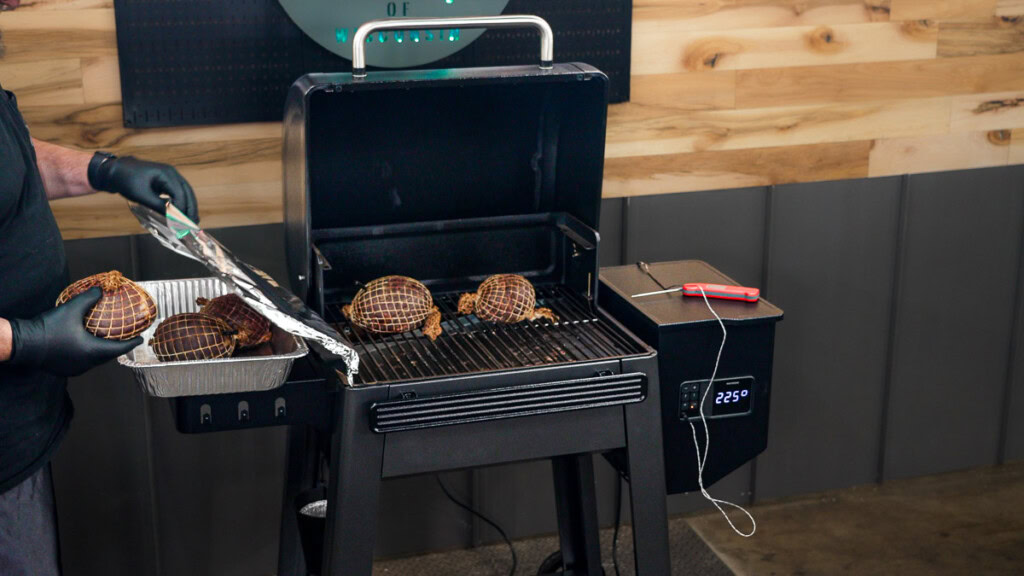
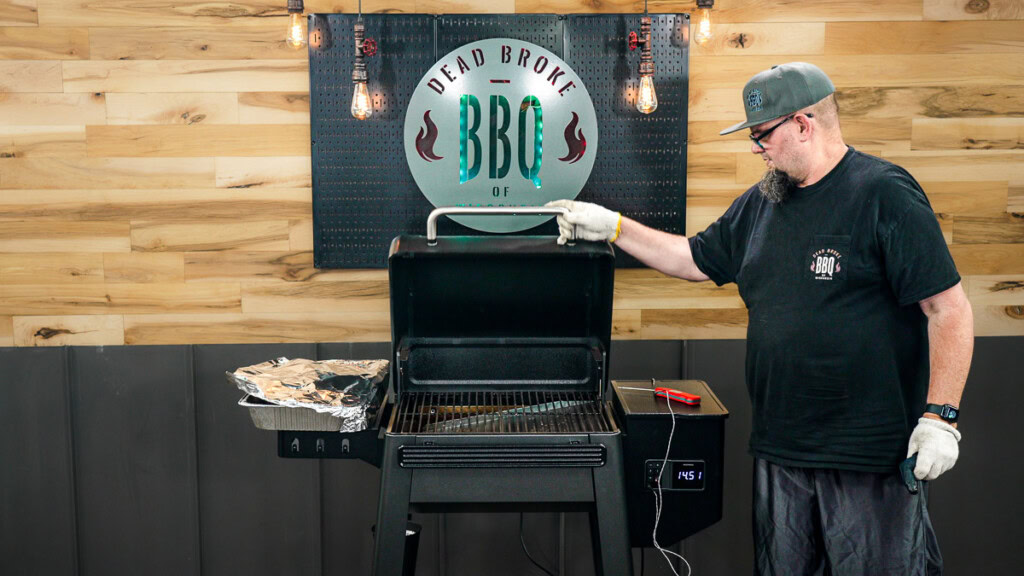
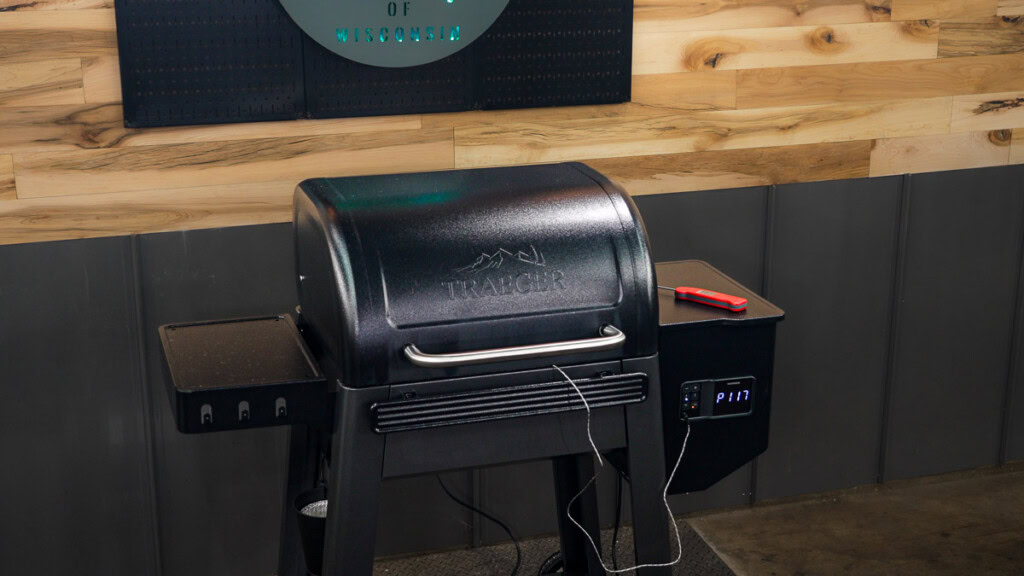
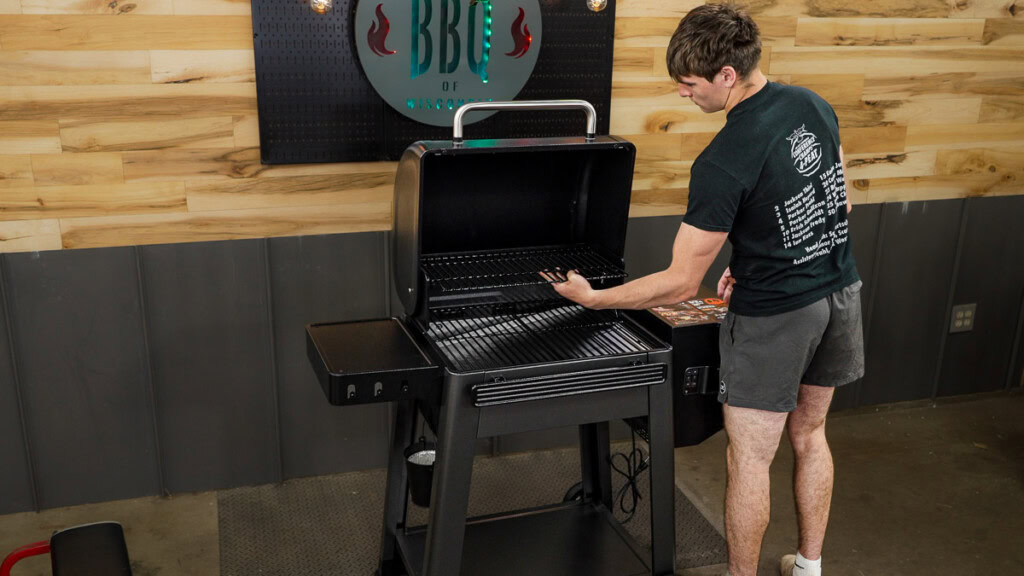
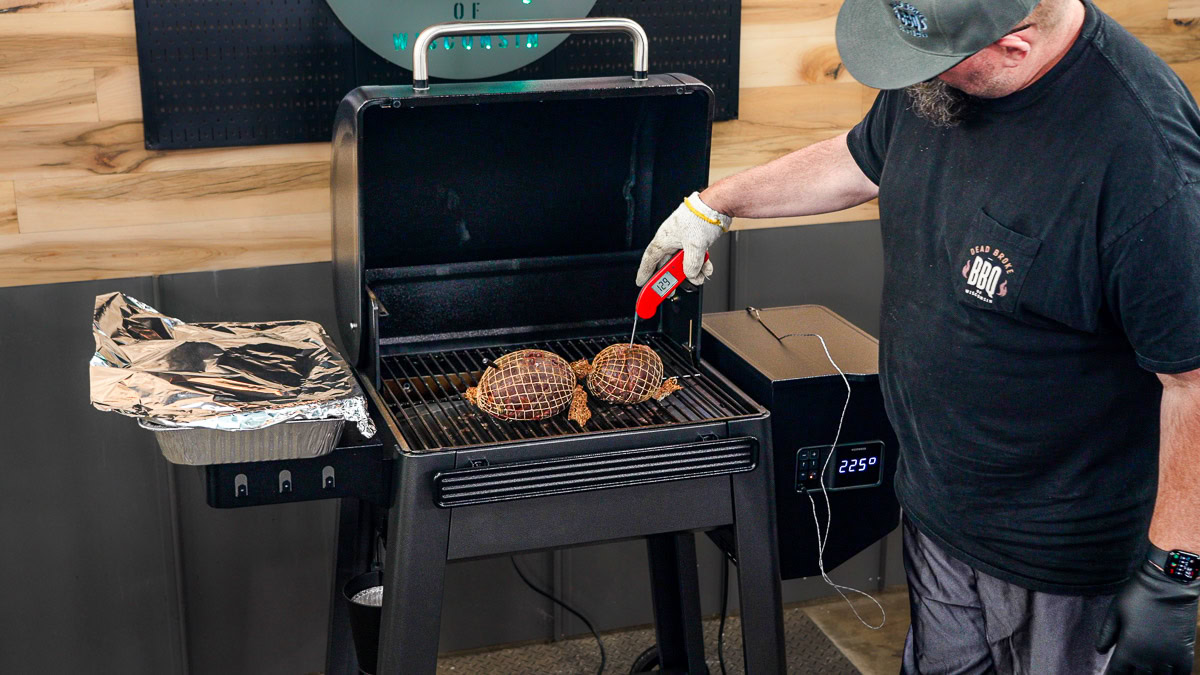
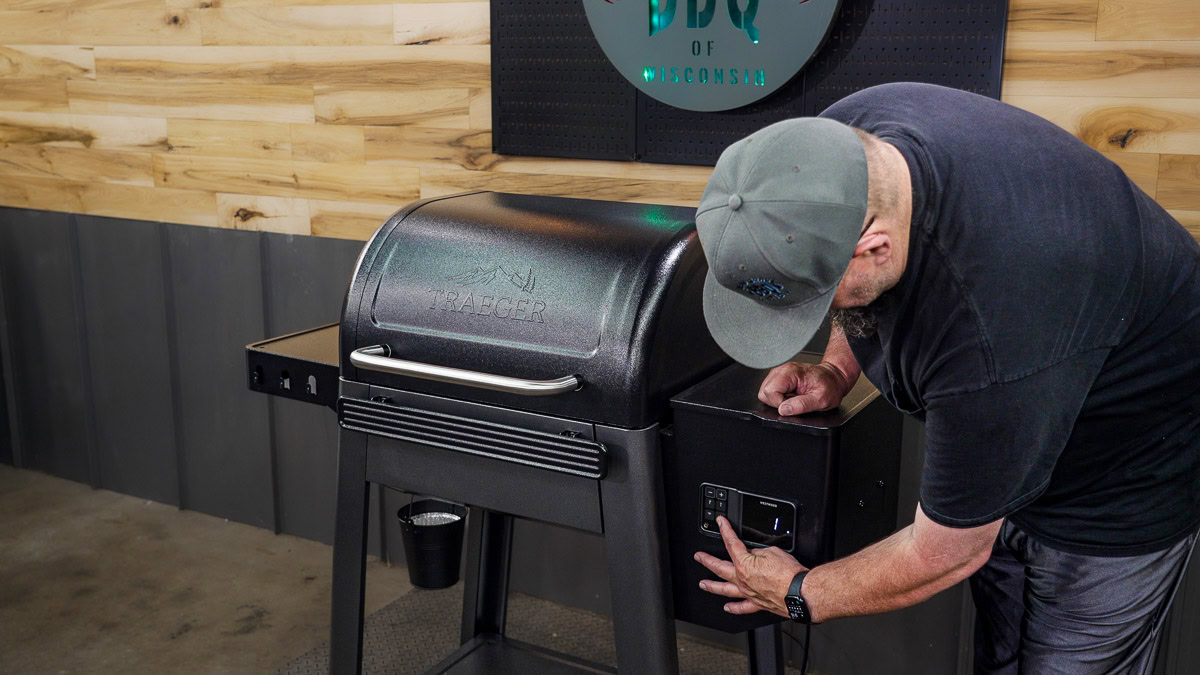
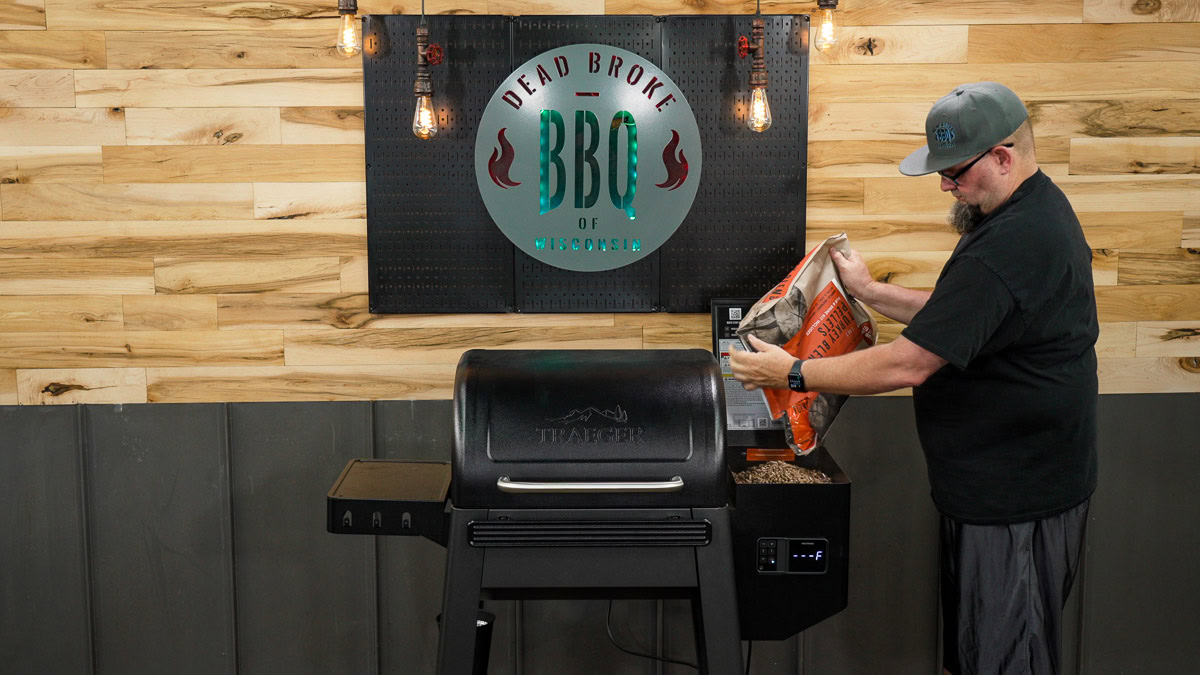
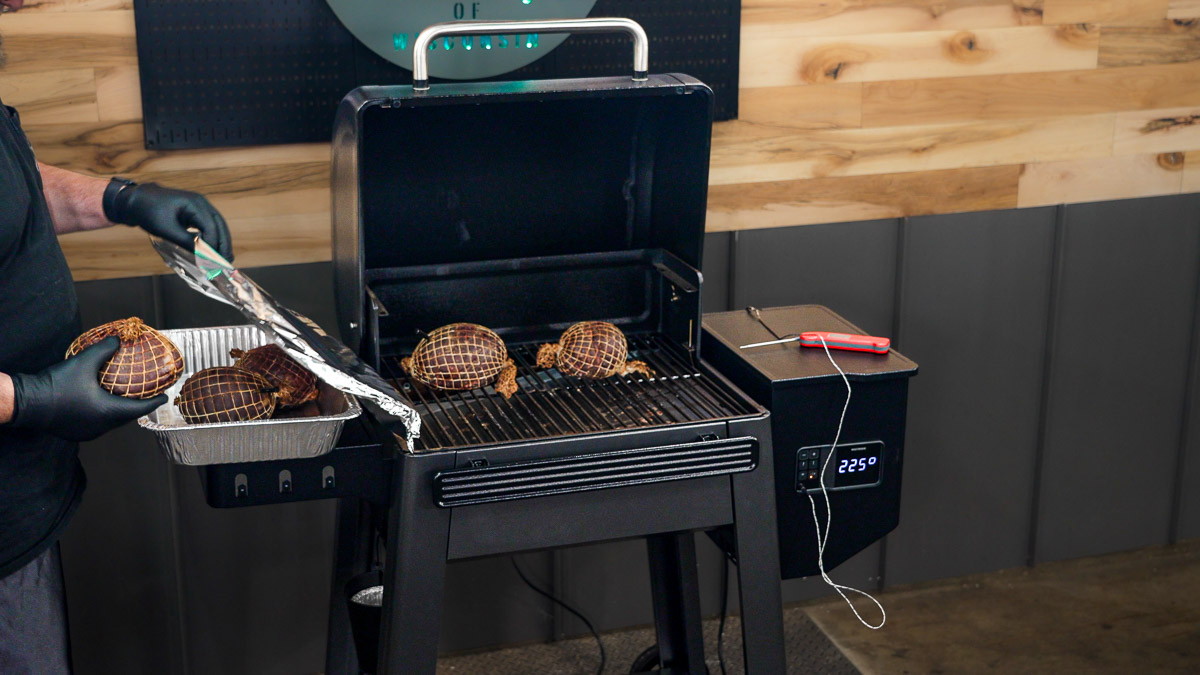
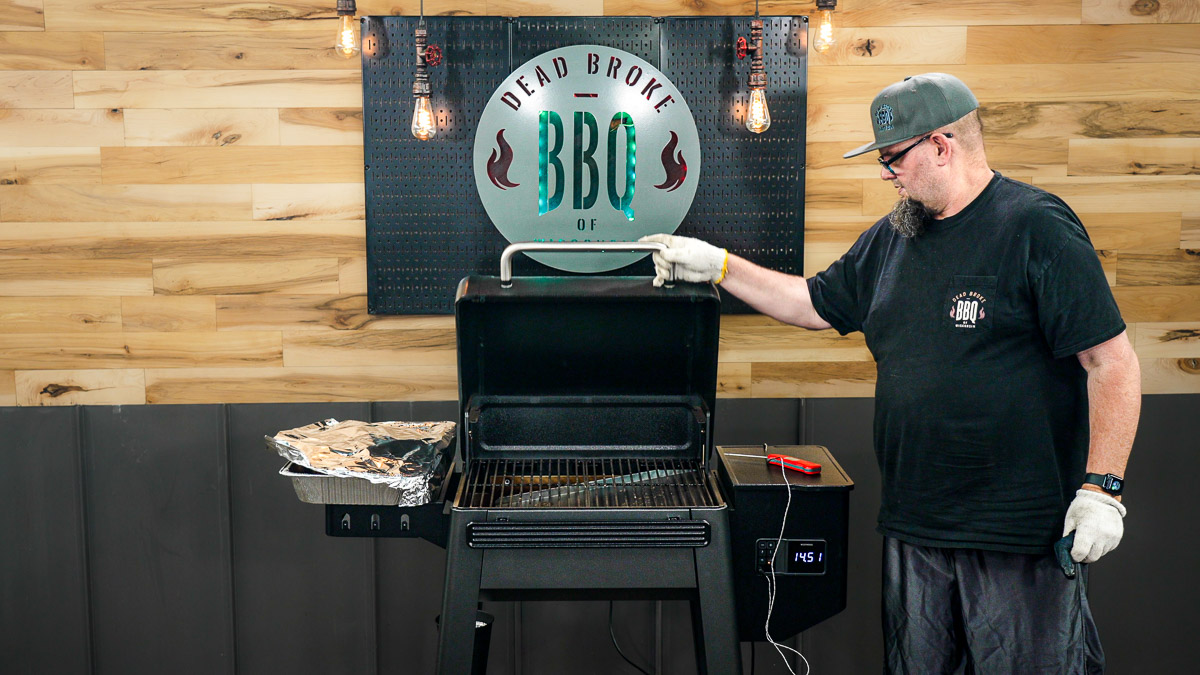
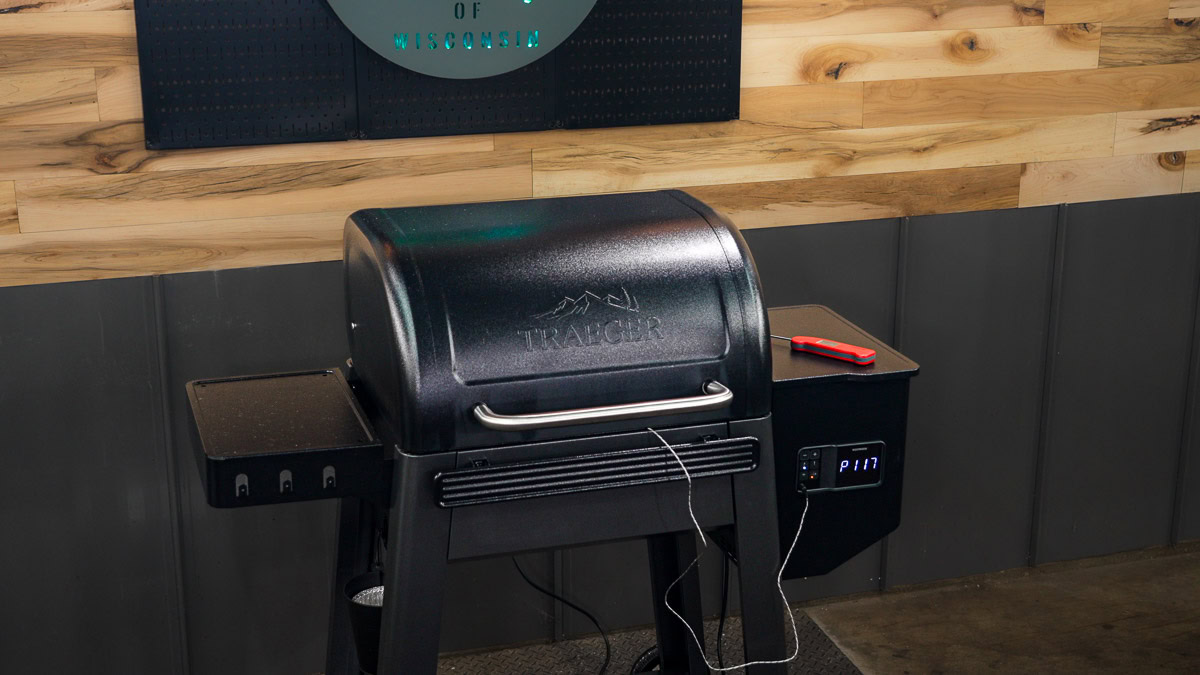
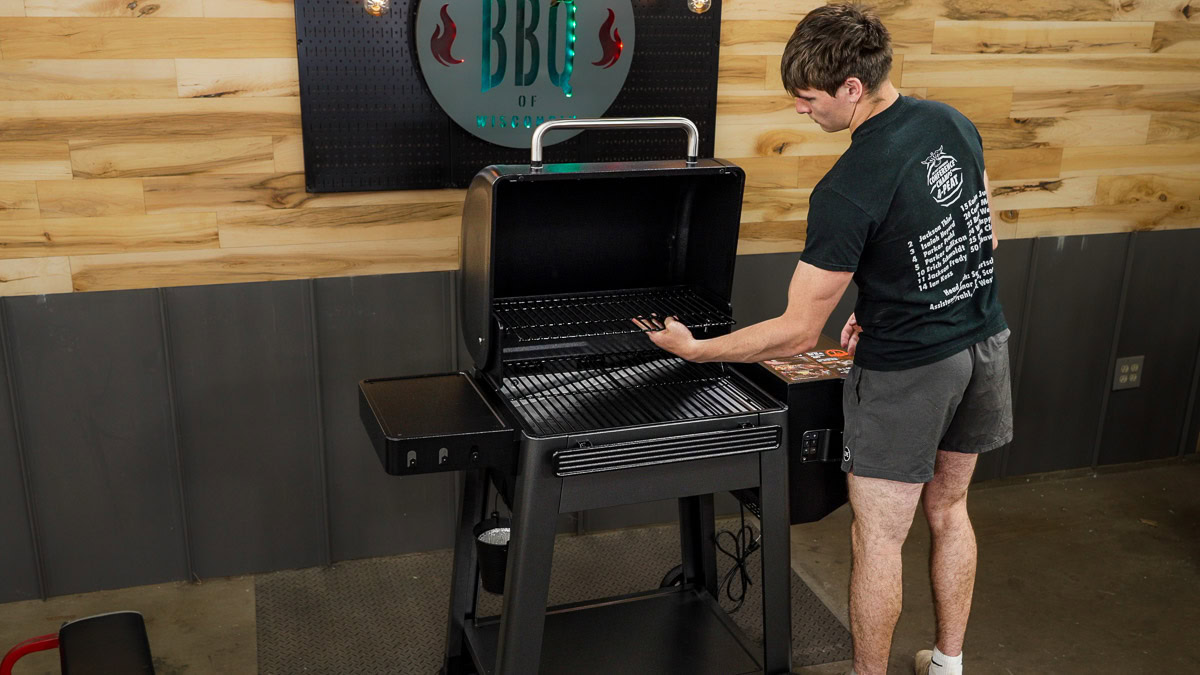
The Westwood is Traeger’s new entry-level pellet grill and replaces the old Pro series.
When Traeger retired the Pro 575, it moved too far upmarket with the Woodridge, which let competitors like
It comes in two sizes: the standard Westwood and the Westwood XL.
We’ve been cooking on the Westwood, and our first impressions are positive. It runs well, and it puts out noticeably more smoke than the Woodridge, which surprised us given it’s the cheaper grill. It’s also one of the simplest Traegers to use.
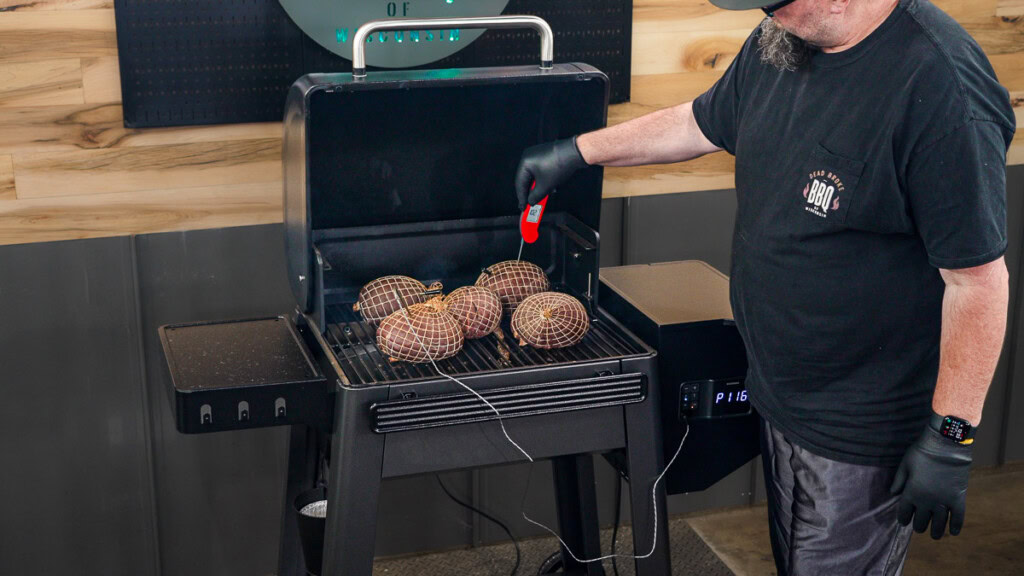
That simplicity comes from the controller. Instead of the Woodridge’s dial, the Westwood uses a button-based controller with temperature up and down, plus dedicated buttons for the probe, WiFi, and ignition.
You still get WiFIRE, so you can control and monitor your cook from the Traeger app, our top-rated app among all the major manufacturers.
To hit the lower price, Traeger has left out a few things. There’s no pellet sensor, and Super Smoke mode isn’t listed, so if those matter to you, look at the Woodridge Pro. The temperature range also tops out at 450°F, compared with 500°F on the Woodridge.
You do get a side shelf, a bottom storage shelf, and a P.A.L. Pop-And-Lock rail for adding accessories like a front shelf. It comes with a wired meat probe and works with Traeger’s wireless probe, which you buy separately.
Traeger Westwood specifications:
| Westwood | Westwood XL | |
|---|---|---|
| Cooking space (sq in) | 653 (428 + 225) | 823 |
| Hopper (lbs) | 18 | 18 |
| Temperature range (°F) | 180–450 | 180–450 |
| Controller | Buttons, WiFIRE | Buttons, WiFIRE |
| Super Smoke | No | No |
| Pellet sensor | No | No |
| Meat probe | 1 wired included | 1 wired included |
| Price | Check Latest Price | Check Latest Price |
If you mainly smoke and want a Traeger that’s easy to live with, the Westwood is the one we’d start with. If you want more space or extras like Super Smoke and a pellet sensor, step up to the Woodridge Pro.
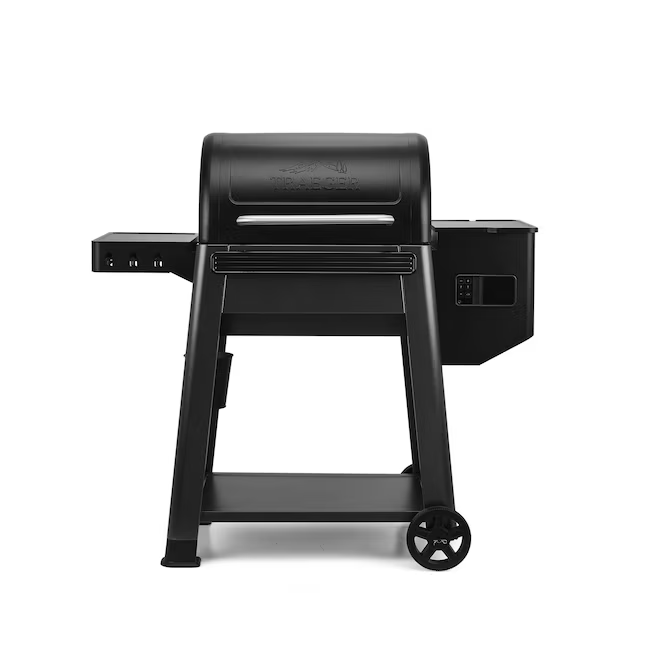
Where are Traeger grills made?
All Traeger grills are manufactured in China and Vietnam.
Some people have complained about Traeger offshoring grill production, leading to a drop in quality in the 2010s.
While Traeger did go through a rough period, the simple fact is that the vast majority of consumer grills are manufactured outside of the USA.
If you value American-made products, you might consider a Yoder or Lone Star Grillz pellet grill.
Other brands to consider
Thanks to Traeger’s popularity, there are now many more brands to choose from. While Traeger is still the most popular, these brands are hot on their tails.
In most cases, we have detailed comparisons where we pit a Traeger model against a comparably priced competitor.
Not sold on Traeger? Check out our list of the best Traeger alternatives.
Pit Boss VS Traeger
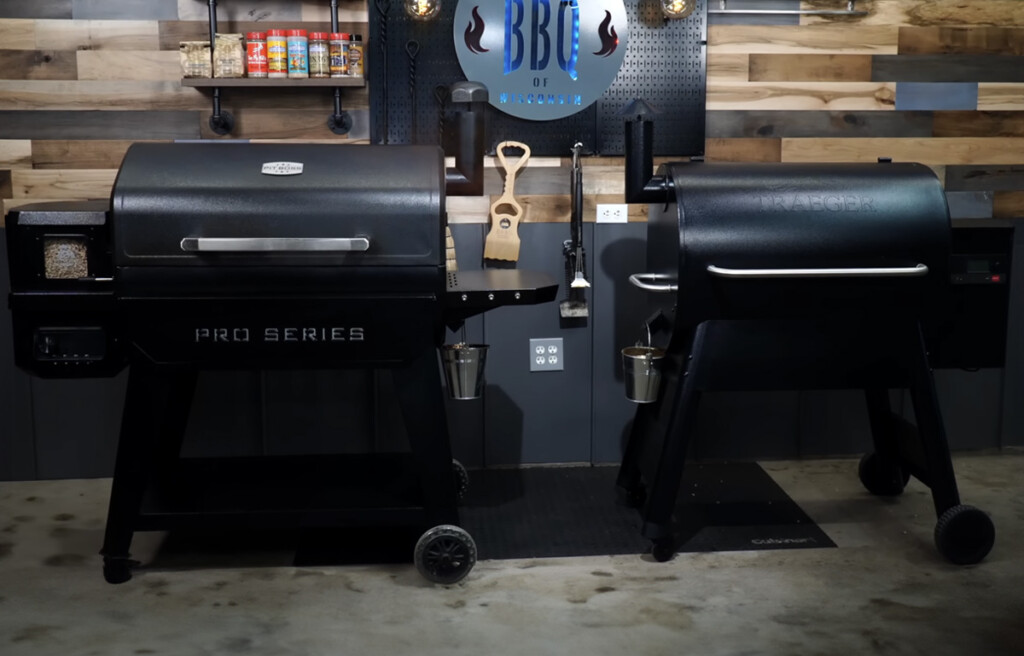
Pit Boss is one of Traeger’s biggest competitors, and its grills usually give you more cooking space for the money.
A good example is the Pit Boss 850 DX, a Lowe’s exclusive and one of our favorite budget pellet grills. You get 840 sq in of cooking space, a 21 lb hopper and a PID controller with WiFi and Bluetooth. Its probe mode switches the grill to keep warm automatically once your meat hits its target temperature.
It also has a flame broiler, which slides open to give you direct-flame searing. That, plus a 500°F max temperature, makes it a better option than the Westwood if you grill as much as you smoke.
The trade-offs are typical
Read our full Traeger VS Pit Boss comparison.
Traeger VS Weber
Weber is the biggest name in grilling, and with the Searwood, it finally has a pellet grill that goes toe-to-toe with Traeger. The Searwood competes directly with the Woodridge on price and size.
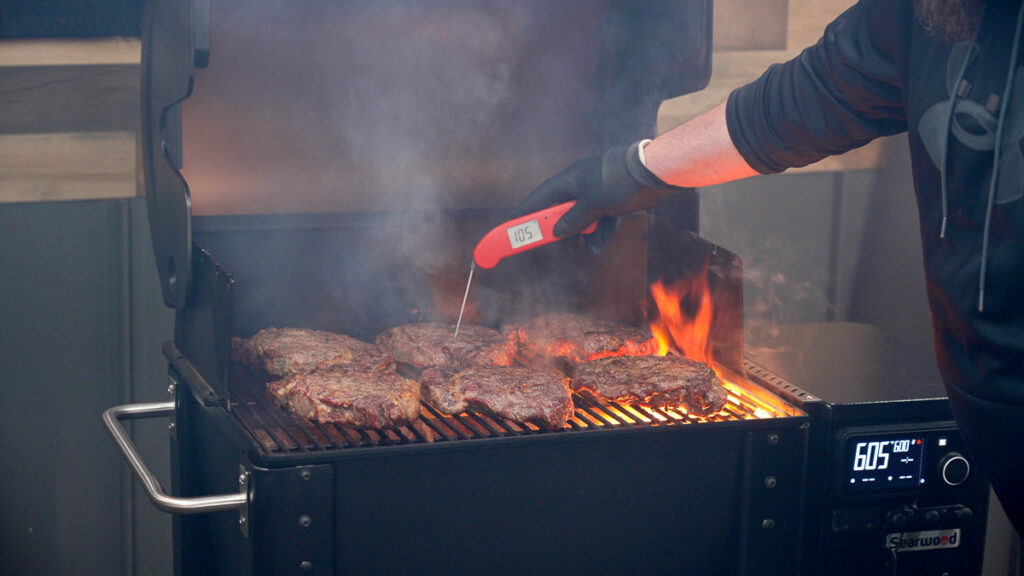
Where the Searwood stands out is high-heat cooking. It can get much hotter than a Traeger, making it a better grill for searing steaks and burgers while still holding steady temperatures for low-and-slow cooks.
Weber has also started building out its range with budget Smoque, so you have more than one
Read our full Traeger VS Weber comparison.
Green Mountain Grills VS Treager

Green Mountain Grills (GMG for short) has a small but loyal following. For many years, Traeger and GMG were involved in a bitter lawsuit, which has now been settled.
They were ahead of the game when it came to adding WiFi as a standard option with their wood pellet grills.
Well-built and competitively priced, they are a strong alternative to Traeger.
A lot of their fame comes from the excellent Trek portable pellet grill, which is one of our favorite portable pellet smokers. This grill competes with the Traeger Tailgater, but with the GMG, you get WiFi, which is really handy when you are camping.
If you aren’t interested in a portable grill, they also sell the popular Ledge Prime which competes with the Traeger Woodridge.
For the price, Green Mountain Grills make an excellent Traeger alternative. You just don’t have the full range of sizes available.
To learn more, check our detailed Green Mountain Grills VS Traeger comparison.
Z Grills VS Traeger
Z Grills are the newest competitor to Traeger. While it looks like they appeared out of nowhere, they’ve been manufacturing grills out of China for other companies (including including Traeger!) for several years.
The main advantage of Z Grills is value for money. The Z Grills 700D4E offers 700 square inches of cooking space, a 3-year warranty, and similar construction quality to Traeger, all for a lower price.
They also have a smaller 450 square inch model that has a similar construction and the suitcase-style Cruiser 200A that competes with the Traeger Ranger.
After some people reported issues with the temperature control unit, this has been upgraded in the latest models.
We have a more detailed guide that puts Traeger against a similarly priced Z Grills smoker.
Traeger VS Recteq
Recteq (formerly REC TEC) has a reputation for high-quality pellet grills at a mid-range price point.
Their fans are famously loyal. Just go on any forum or Facebook group, and you’ll see them pop up every time anyone asks for a smoker recommendation.
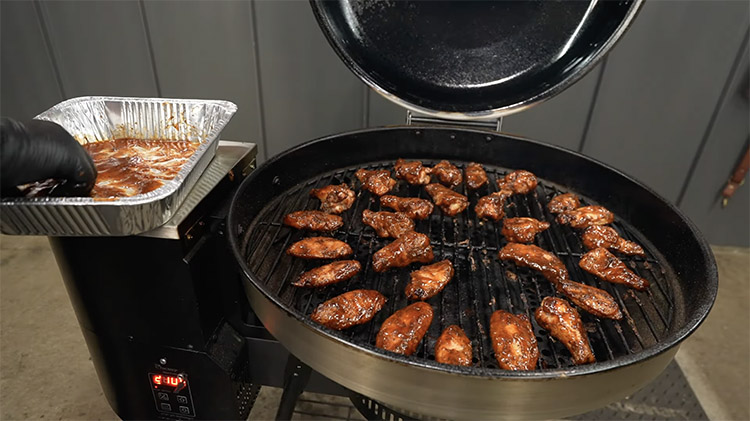
Check out our detailed REC TEC VS Traeger comparison for more information.
Traeger Brand History

I always like to know a little bit about the brand of grill I’m buying. And Traeger has quite an interesting brand story.
Traeger grills were the result of Joe Traeger and Jerry Whitfield experimenting with wood pellet-burning stoves.
Joe Traeger was the first person to develop the pellet grill in 1985, and he patented it in 1986.
Thanks to this patent, Traeger had the pellet grill market all to themselves for the next twenty years.
Early Traeger grills used a simple LMH controller, which lets you choose between low, medium, and high heat.
These early models were fairly basic, as the auger timing didn’t allow for weather conditions or the amount of food being cooked.
During this time Traeger remained a small family company based out of Oregon.
When the original patent expired in 2006, a rush of new brands entered the pellet smoker market. By 2014 there were 27 different companies manufacturing pellet grills.
Jeremy Andrus joined Traeger in 2014 when he acquired the business in with private equity firm Trilantic Capital Partners and moved the business to Salt Lake City.
Today, Traeger is still the largest manufacturer of pellet grills, selling more than $300 million worth of products per year.
Like any big company, you hear mixed stories about customer service. From digging through the complaints, I see that most people object to long wait times when ordering replacement parts for faulty grills.
Wrapping it up
For many years, if you wanted a pellet grill, Traeger was the only option you had.
With the rush of companies entering the market, Traeger has had to seriously step up their game.
They now offer some of the most advanced pellet grills on the market in terms of technology.
That said, as a big company, they spend a lot on marketing, and you can get good-value deals on other brands like
We suggest you shop around and look at a few different models before you pull the trigger.
Did you miss our previous article...
https://manstuffnews.com/backyard-grilling/smoked-baby-back-ribs-with-apple-butter