Anyone with a basement in their home knows that that lower level can be a bit of a nuisance. Elevated levels of moisture are common. Having an additional powder room downstairs would be a godsend. Discussions about what to do with the space lead inevitably to thoughts of renovation. Well, this is the site. Here at the Ultimate Basement Renovation Guide, you will find hints, tips, tricks, ideas, and links to answers for questions that you have had about renovating your space. So, brew yourself a cup of tea, and settle in. We have a lot to share.
Why Renovate Your Basement?
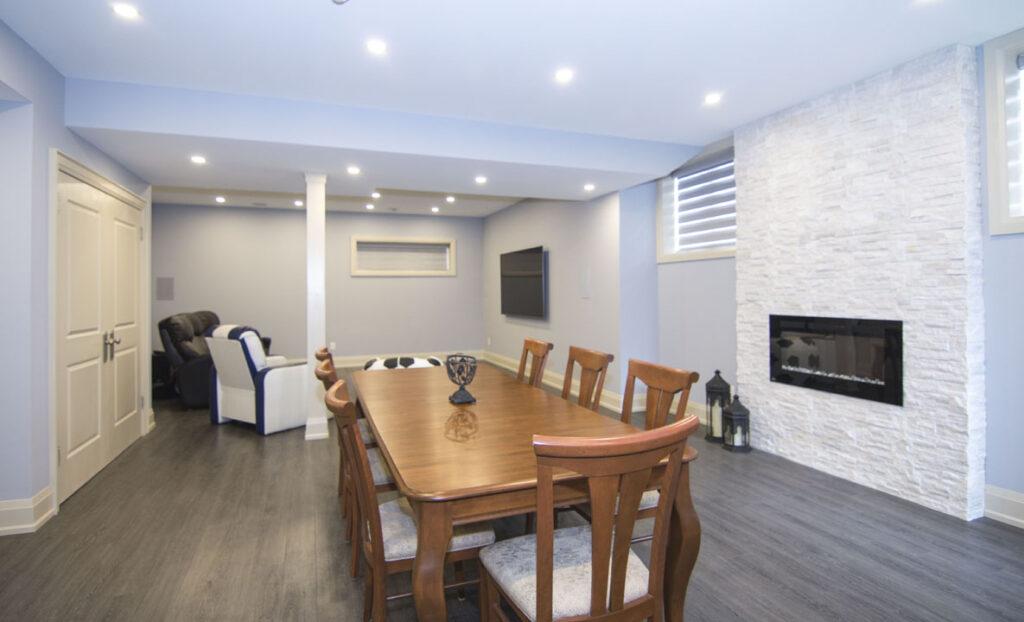
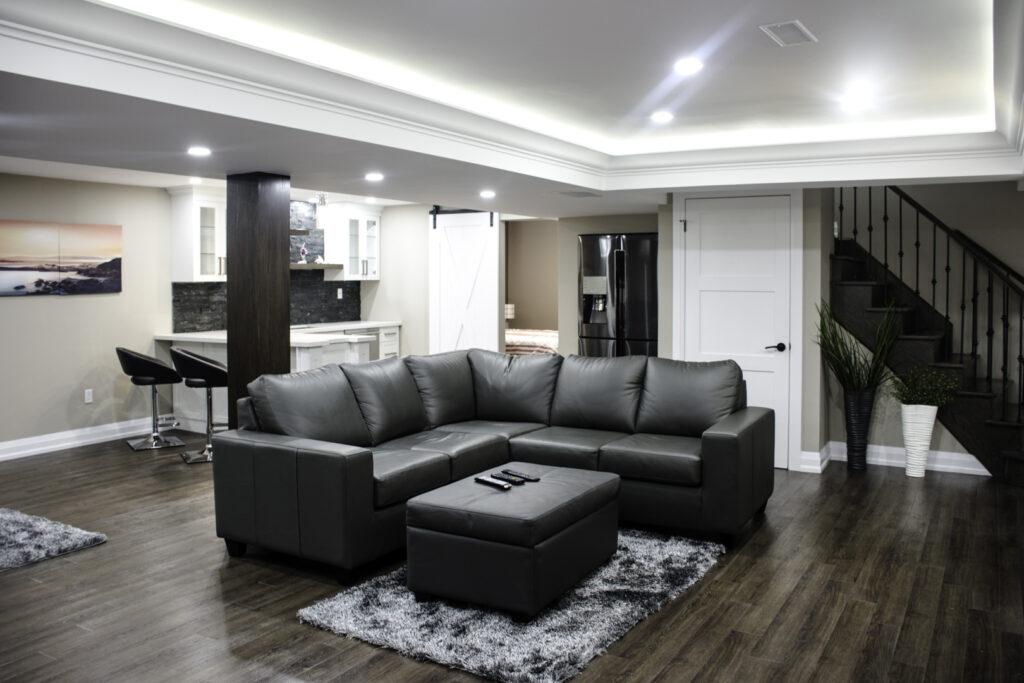
Renovated basements can bring your family added space that could be an entertainment area, a guest suite, or a secondary, rental unit. Check your local municipality’s zoning and bylaws.
Issues in the foundation or problems with basement waterproofing may be found and addressed. Thoroughly sealing and insulating the basement increases your family’s comfort and provides more energy efficiency.
Finally, basement renovations increase your home’s value. Potential buyers will be attracted to increased square footage and the convenient possibilities that come with that space.
Planning Your Basement Renovation
Before lifting your hammer, you need to realistically decide on a specific budget for the remodel and research building permits and codes. Create a floor plan that utilizes the space effectively noting items like support beams, ceiling height, and ventilation. Local codes may also require emergency exits if the remodel includes bedrooms. Basements usually have moisture issues, so correcting cracks in the foundation and waterproofing is key. If you have budgetary concerns, interior waterproofing is an excellent place to start.
Should You Hire a Basement Contractor or DIY?
In Ontario, you are allowed to complete electrical upgrades on your primary residence, but you will need to apply for and obtain a work permit and have the work inspected. Plumbing and structural upgrades or renovations are required to be completed by licensed tradesmen or professionals who will probably deal with permits. Budgeting for a professional waterproofing team is a good idea. If you’re comparing contractors, here are questions to ask a contractor, and here’s why many homeowners hire a RenoMark contractor.
However, you may be able to realize substantial savings by removing fixtures and appliances, tearing down wall material and flooring, and doing a thorough cleaning yourself.
Key Questions to Ask Before Basement Finishing
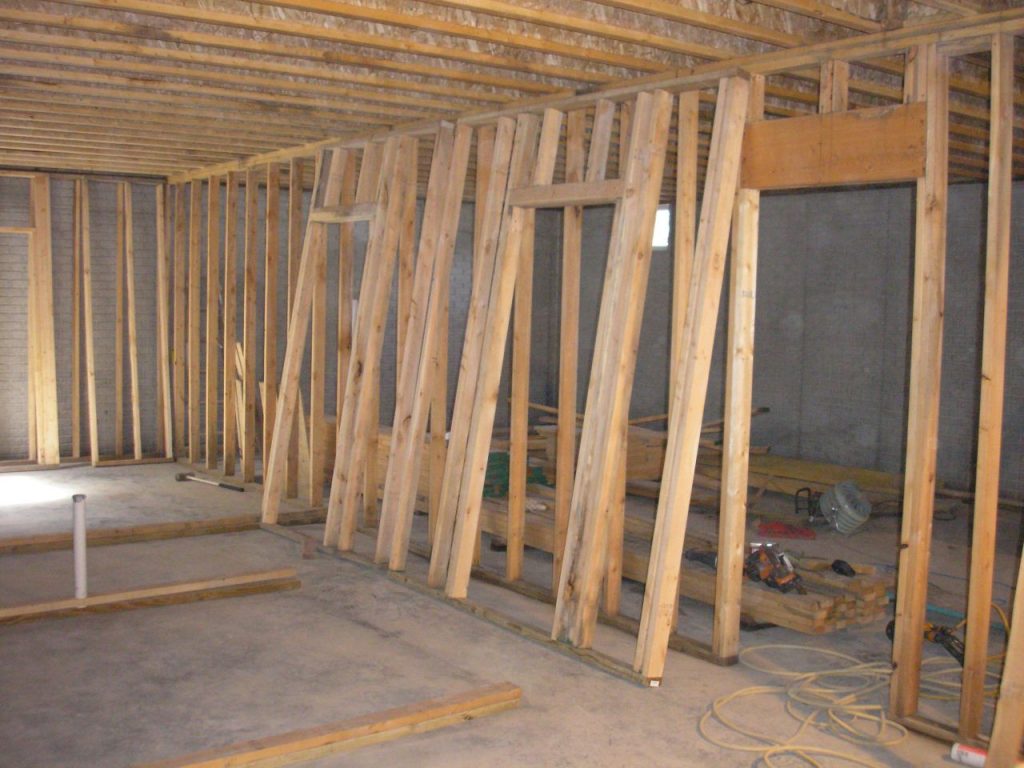
Key questions to ask before doing work on your basement include:
- What is the purpose of this renovation? Why am I going through all the trouble?
- What permits do I need and where do I get them? (In Ontario, you are responsible for ensuring that the necessary permits have been collected. See legal basement requirements in Ontario.)
- What is our budget cut-off point?
- What will I do if I find cracks in the foundation?
- Is the height of the ceiling sufficient? How will I get more head space in the basement? (If not, review low ceiling basement renovation options.)
Common Basement Renovation Mistakes to Avoid
A common mistake made when renovating a basement is not considering moisture control enough. Inadequate ventilation can exacerbate moisture problems and improper waterproofing enhances that problem. That can lead to mould and wood rot. Not adding enough lighting or soundproofing in the basement are also common errors. Also, not planning properly, including not getting the necessary permits, is another rookie mistake. You should be aware of all potential mistakes and be able to discuss them with your contractor.
Basement Renovation Costs: What to Expect in 2026
Looking to the future in 2026, costs for a basement renovation are projected to stay relatively the same as in 2025. Of course, factors like the scope of the project, choices in materials and finishes, and labour will influence the amount of money that you will likely spend. However, with the trend of rising inflation, there may be a slight increase in the total costs. Along with everything else in your planning documents, budget for a 1-2% increase over the costs of 2025.
How Much Does It Cost to Renovate a Basement?
The final cost for a renovated basement will range due to size/layout of the basement, additions to electrical, plumbing, and structural components, and selected materials. Adding a bathroom or a kitchenette to your basement will increase costs.
Your basement walls and foundation may need work before the renovations can begin. That extra work increases costs of labour as waterproofing is not really considered a DIY project. If you want a clearer cost breakdown, see waterproof basement cost. Finally, don’t forget to have funds set aside from your budget for issues that might suddenly come up.
Average Cost Ranges in Ontario (Prices in CND)
|
Type of Remodel
|
Cost Per Sq/Ft
|
Total Cost – 800 Sq/Ft
|
|
Basic
|
$40 – $60
|
$32,000 – $48,000
|
|
Mid-Range
|
$60 – $90
|
$48,000 – $72,000
|
|
Premium/Luxury
|
$90 – $150+
|
$72,000 – $120,000+
|
|
Legal Rental Suite
|
Costs can vary.
|
$60,000 – $120,000+
|
Budgeting Tips for Basement Remodels
- Plan, plan, and followup. Plan a detailed budget that includes payments for labour, materials, permits, etc. Create a spreadsheet to you can follow up with records of where the money is going.
- Put 10-20% of budgeted amounts aside for any issues that suddenly rear up. Mold or moisture may not be seen until you take down the drywall. If you’re dealing with recurring humidity, review ideal humidity levels and how to prevent mould.
- Get quotes from numerous contractors. Don’t just choose the lowest price, but check Yelp, the BBB, HomeStars, and other review sites for customer satisfaction.
Hidden Costs to Watch For
Hidden costs show up when demolition inside the basement begins. Behind the existing drywall, you may find that the electrical or plumbing is not up to code and must be upgraded. After moving storage units, you may find cracks and/or fissures in the walls or floor. There may be major structural issues that require more extensive alterations than what had been first thought. Also, the cost of appropriate, moisture-resistant materials may come as surprising. Working with a reputable contractor can mitigate surprise costs.
Basement Layout Ideas: From Storage to Secondary Suites
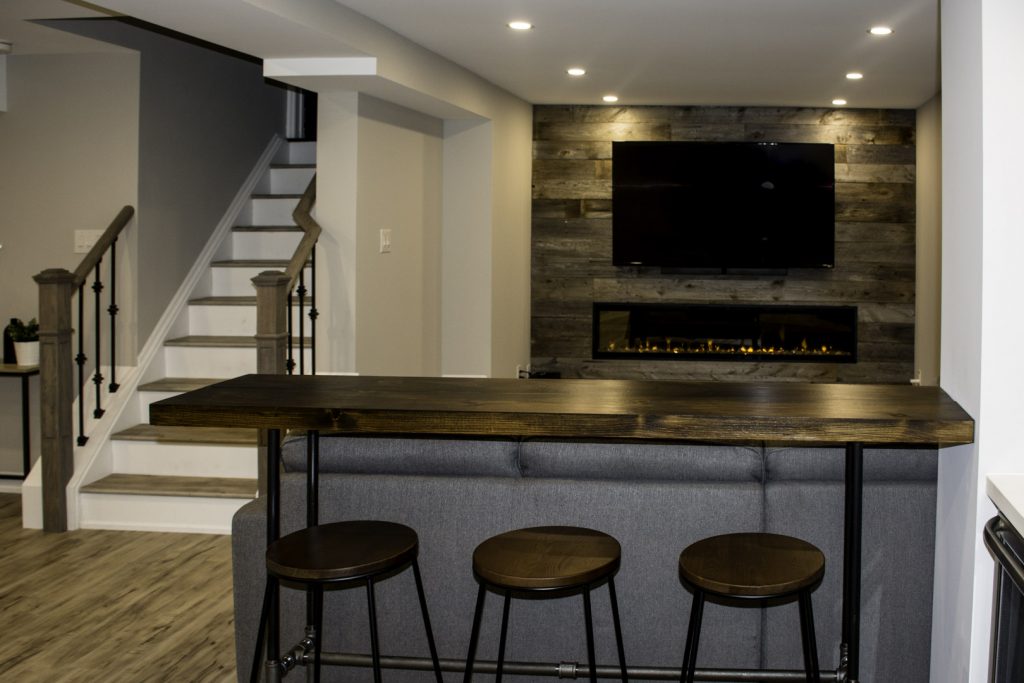
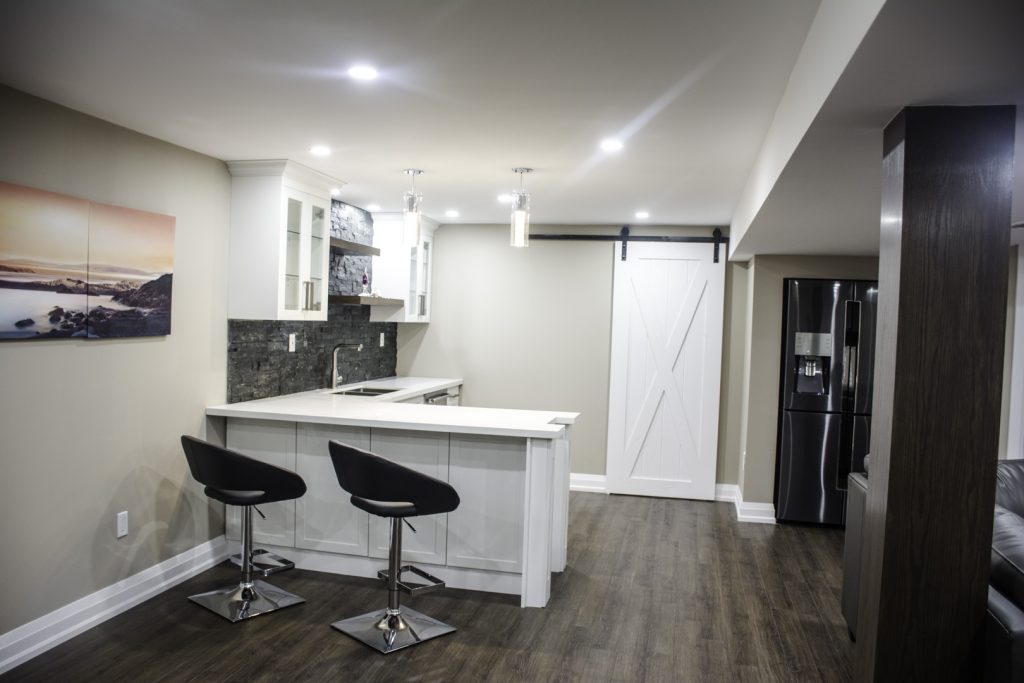
Basements are for more than a spider sanctuary. Some ideas that can elevate your basement to a higher level include:
- For the kids: a basement playroom, an entertainment room, a game room
- For the family: a home theatre, organized storage, a sauna, extra bedrooms, extra bathroom/kitchen, expanded laundry room,
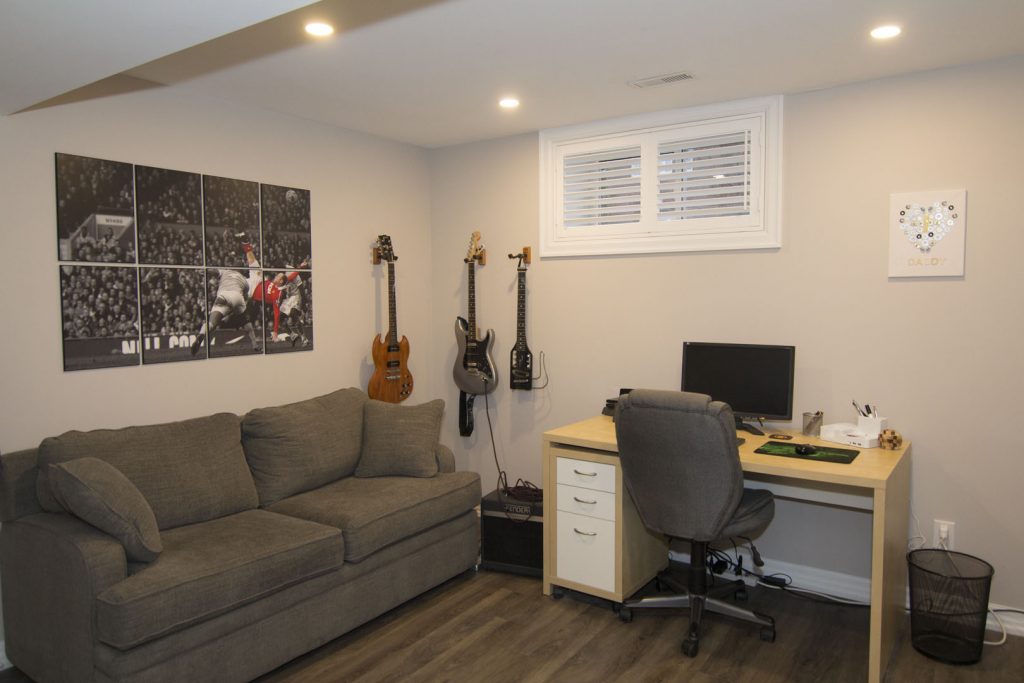
- For the adults: a home office, a wine cellar, a basement bar for gatherings, guest bedrooms, a den, a crafts room, and more.
A multitude of ideas meant to inspire can be found on Pinterest, YouTube, and other sites. For more inspiration, browse our creative basement ideas and basement trends.
Basement Apartment, Gym, Theatre Room, Office & More
For a basement bedrooms, there are requirements in Ontario regarding minimums in amount of floor space and ceiling height. A window that can be used as an exit is mandatory. For a basement gym, adequate lighting and ventilation for moisture are very important as is making sure that the space is well insulated. Ceiling height needs to be considered. Offices should have a lot of light, natural light if possible, and they would benefit from extra soundproofing and ventilation. If you’re planning a full layout, see our guide to creating a basement apartment and building the ultimate basement gym.
Basement Waterproofing & Moisture Control Essentials
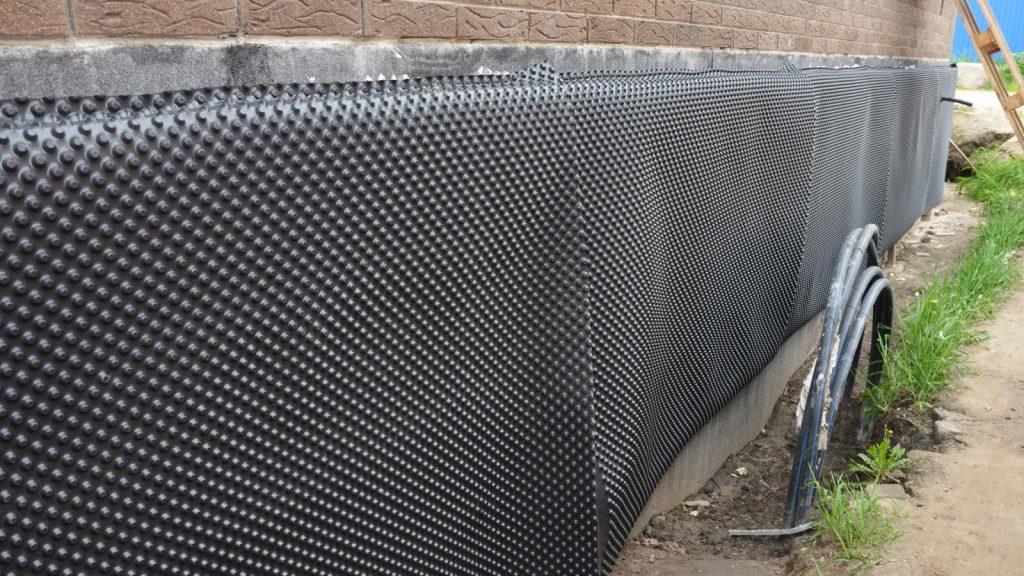
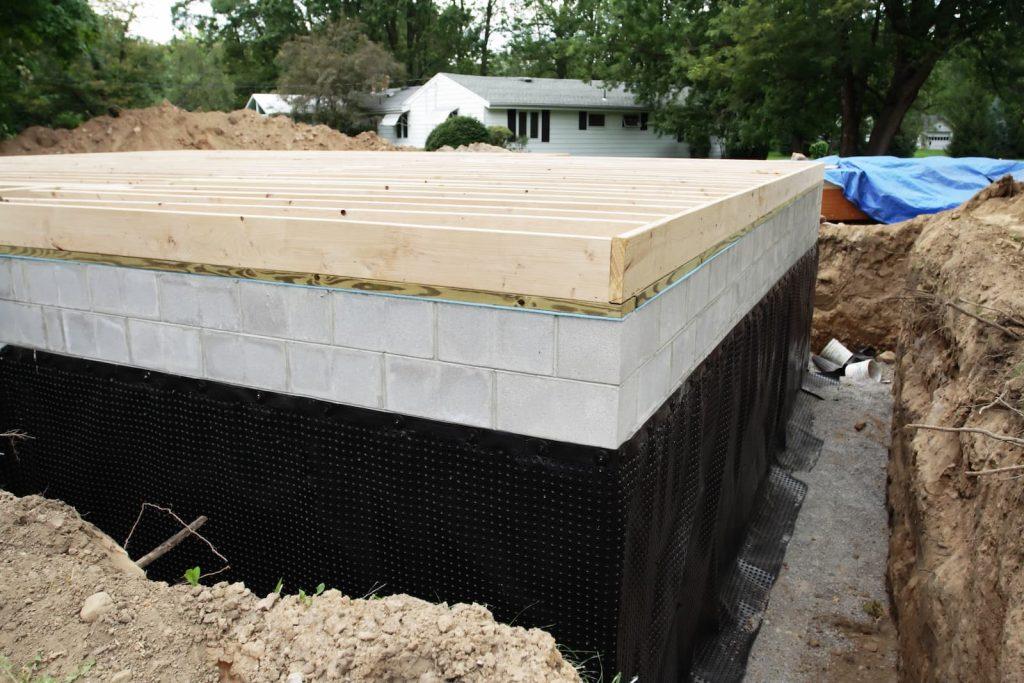
If in fact there are no cracks or leaks in your foundation, consider yourself fortunate. To keep your home safe, it is recommended to install exterior and interior drainage to force water away from your home and its foundation. A sump pump in the basement floor is indispensable. Waterproof membranes, inside and out, stop water from entering your home. Increase ventilation to remove moist air, and a dehumidifier is very handy for removing what remains. For a step-by-step overview, see how to waterproof a basement.
Interior vs Exterior Waterproofing: Which Is Better?
Exterior waterproofing is objectively better. It keeps water from entering your home by adhering a waterproof membrane to the foundation’s outer side. It is also more expensive with prices that can start at around $15,000.
Interior waterproofing can be effective for minor issues with a required sump pump to expel water from inside. It is less expensive with costs that start around $4,500.
Ideally, both of the types of waterproofing should be utilized to provide ultimate protection, but if budgeting is a concern, interior waterproofing is better than crossing your fingers. For a deeper comparison, read interior or exterior waterproofing: which works best.
Common Moisture Issues and How to Fix Them
Water in the basement is always a cause for concern, but water that condenses on basement surfaces may be solved with upgraded ventilation and the introduction of a dehumidifier. Drainage issues solutions for water entering is to add length to a gutter’s downspout and install French drains to re-direct water.
Foundation cracks are serious and should be sealed when found. Professional waterproofing installation on the interior can help. Also, finding moisture on the floor could indicate a water intrusion through the floor. That can be remedied with a sump pump plus a sealant or waterproofing on the basement floor.
Basement Insulation & Building Envelope Tips
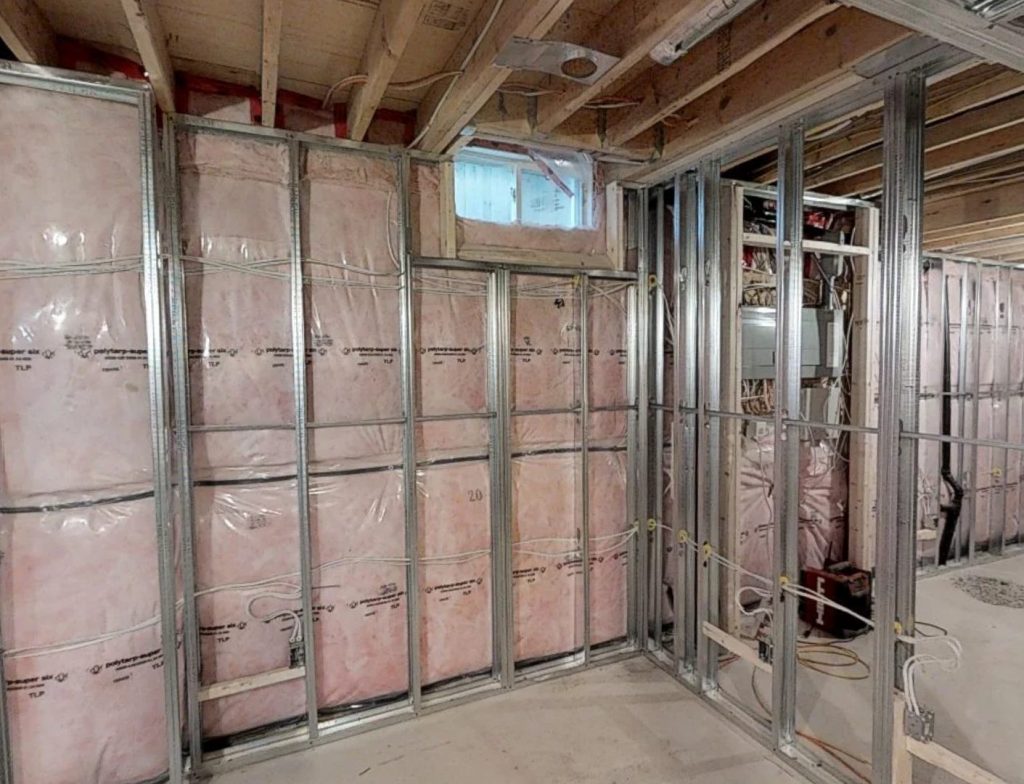
Twenty-five percent of a home’s total heat loss can come from uninsulated basements. For the best in interior insulation, rigid foam boards or closed-cell spray foam are considered best. Fibreglass batt insulation can absorb moisture and is not recommended. Before installing insulation, verify that all leaks and cracks in the foundation have been addressed. Ensure there are no gaps in the installation of the insulation. Check the R-value of the insulation: a higher number is higher energy efficiency. Also, consider having someone in to do a Home Energy Evaluation. Learn more about basement insulation and what to look for in your home’s building envelope system.
Flooring Options for Basements: What Works Best Below Grade?
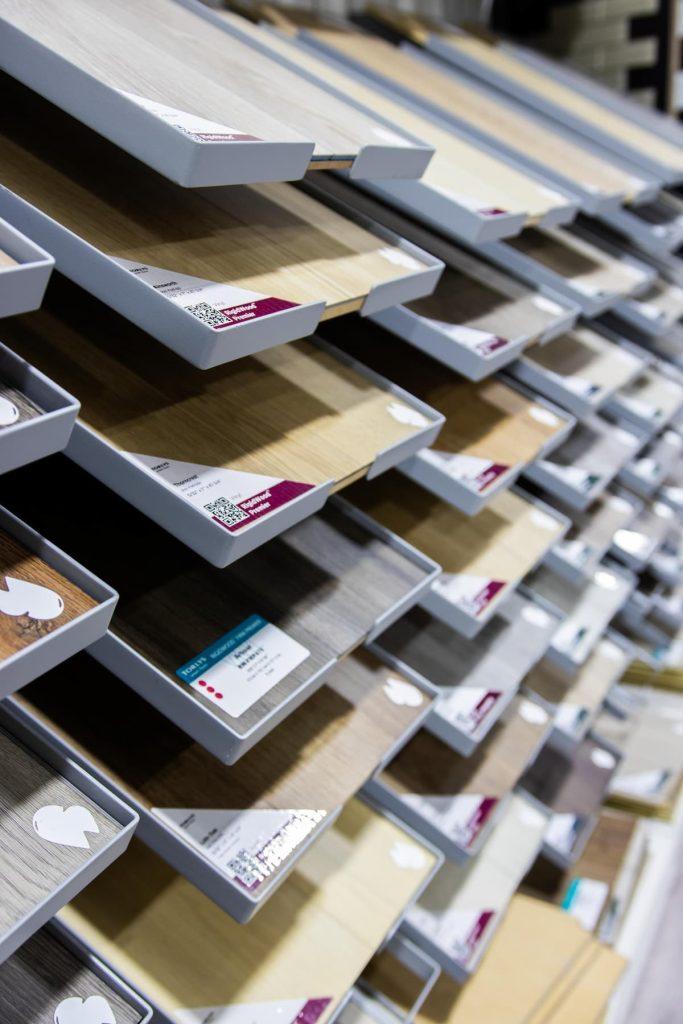
There are several attractive and durable options for flooring available for your basement. Check out the following to see options for appearance, cost, pros and cons, and suitability for your home. For a full breakdown, see best flooring for a basement.
- Polished Concrete – low maintenance, extremely durable, customizable appearance, hygienic, helps cut mould growth
- Luxury Vinyl Plank (LVP) – waterproof, durable, realistic appearance with insulating properties
- Epoxy – very long lasting, durable, widely customizable in appearance, hygienic
- Engineered Hardwood – resistant to moisture, resistant to warping and expansion, installation flexibility
- Porcelain/Ceramic Tile – waterproof, chemical and mould resistant, easy to clean, ideal for in-floor heating.
Engineered Wood vs Laminate
While both of these options look like real wood, the best choice would be engineered wood. If you’re comparing these materials specifically for below-grade use, see engineered wood vs laminate for basements.
Engineered wood has a real wood layer covering layers of wood veneer making it extremely durable. The top wood layer reduces damage from moisture or humidity. It is higher in cost initially, but the long-term benefits make it a suitable choice between the two options.
Laminated wood is also made from layers of wood veneer, but the top layer is a decorative paper or plastic coating. While the top appears to be real wood, it cannot be be sanded as a repair. They are cheaper initially, but they can be damaged by water more easily, and damaged planks must be replaced.
Waterproof Flooring Myths
Waterproof floors do not keep your room waterproof since water can seep in underneath. Waterproofing does not automatically come from installing a waterproof floor. Also, flooring like engineered wood can still present with warping problems if liquid is allowed to stand on the surface. Finally, one of the biggest myths is if the flooring is waterproof, installation doesn’t matter. Unsealed seams, expansion gaps, and improper subfloor preparation would trump a waterproofing designation. For more on this topic, read debunking the myth of waterproof laminate flooring.
Ceiling, Wall, and Lighting Upgrades That Make a Big Impact Ceiling
Soundproofing placed in the floor above the basement during a remodel can cut down on noises from above or below. A suspended ceiling can be useful if access to plumbing, electrical, or HVAC systems is regularly needed. Maximize the ceiling height by exposing the structure and painting it all black for a hip, coffeehouse look.
Wall
Moisture and mould-resistant drywall or PVC panels bring long-lasting, easy-to-clean surfaces. Foam insulation on exterior walls sealing all gaps, makes your home more energy efficient. Stone Plastic Composite (SPC) imitates stone like travertine and is easy to install.
Lighting
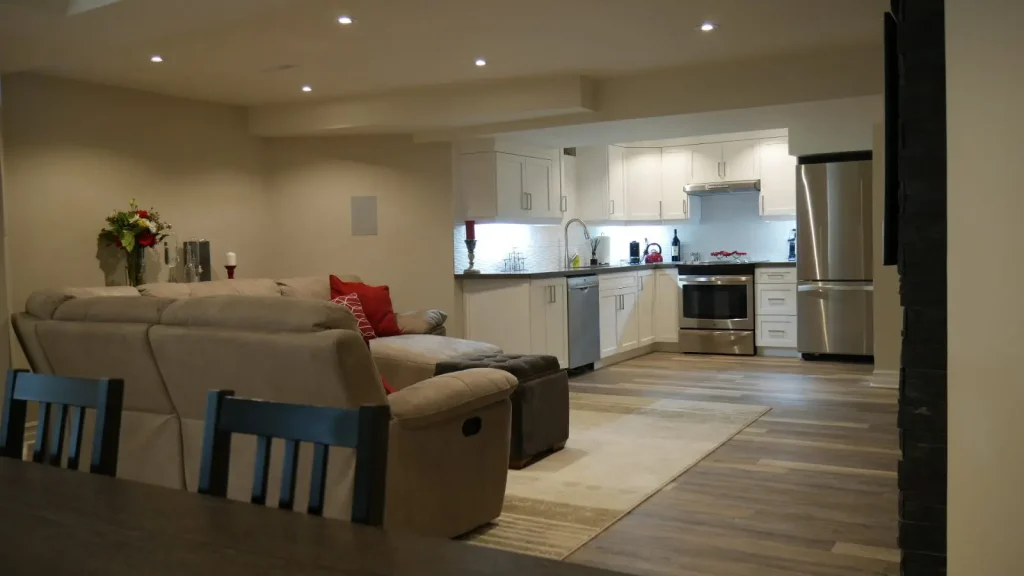
Recessed lighting or potlights sit inside the ceiling, preventing them from being close for the less height-challenged family members. Track lighting is economical compared to recessed lighting and saves on having to cut into the ceiling. Smart lighting gives you control over brightness, colour, and temperature, and it has become more energy efficient. For more ideas, see basement lighting ideas.
Low Ceiling Solutions
Increase basement ceiling height by lifting the house, benching, and/or underpinning. Lifting the house is expensive and involves hoisting the house on jacks, adding to the foundation, and lowering the house. Second most expensive, underpinning involves digging under the foundation to add new supports, extending the foundation down to more supportive soil below. The least expensive method is benching. This involves digging a new concrete shelf, or bench, around the boundary of a basement that would allow the floor in the centre to be dug out and lowered. Learn more about low-ceiling basement renovation.
Basement Wall Finishing Dos & Don’ts
When basement wall finishing:
DO:
- Organize permits for structural changes
- test for condensation and humidity
- Install polyurethane foam insulation
- ensure for proper ventilation and ways to combat moisture
- use basement designed materials like mold-resistant drywall
- have an electrician use GFCI-protected outlets
DON’T:
- forget to make sure all cracks, leaks, and problems with moisture are resolved
- allow walls to come in direct contact with the foundation walls or floor. Leave a gap.
- install carpet right to a concrete floor. Do put moisture-resistant padding and a moisture barrier under the carpet
- close to the walls, without making sure that installation of all pipes, wires, etc has been completed
Creative Lighting Ideas for Dark Spaces
Basements are naturally dark, and layered light works well to banish shadows. A mixture of ambient, track, and accent lights fills the area well. Imitating natural light with simulated windows or skylights can add light and appear more natural. Using light coloured paints or reflective surfaces allows light to be reflected and may create the feeling of additional space. Smart lighting is handy because of the ability to control aspects of light such as colour, temperature, and brightness.
Bathroom, Kitchen, and Wet Areas in the Basement
Before beginning any work, making sure that your permits are in order is paramount. You will need to confirm that moisture problems have been eliminated and proper drainage is available. You may need to address gravity drainage with a sewage ejector pump. Install ventilation with timer switches that feed exhaust directly out of the house. Choose materials that are moisture-resistant for floors and walls. Plan for lighting sources that can easily reach all corners of the basement.
Planning Plumbing & Ventilation Below Grade
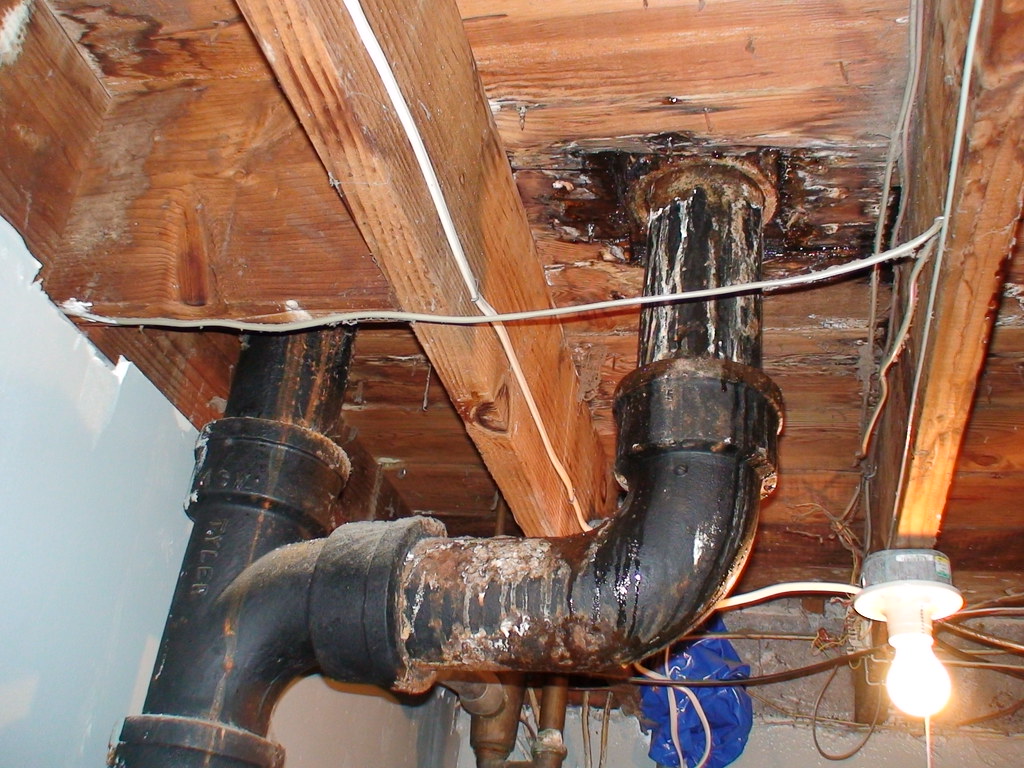
Being below grade, or below ground level, brings up a number of issues. Normally, waste is moved from a home through gravity, but in a basement below grade, a sewage ejector pump may be required. Backwater valves are vital to keep effluent from entering the home during bad weather. Ventilation becomes critical. Exhaust fans remove stale air and introduce fresh air. With fewer windows or natural ways to ventilate, stale and potentially contaminated air can rise to the levels above in the home.
Designing a Functional Basement Kitchen
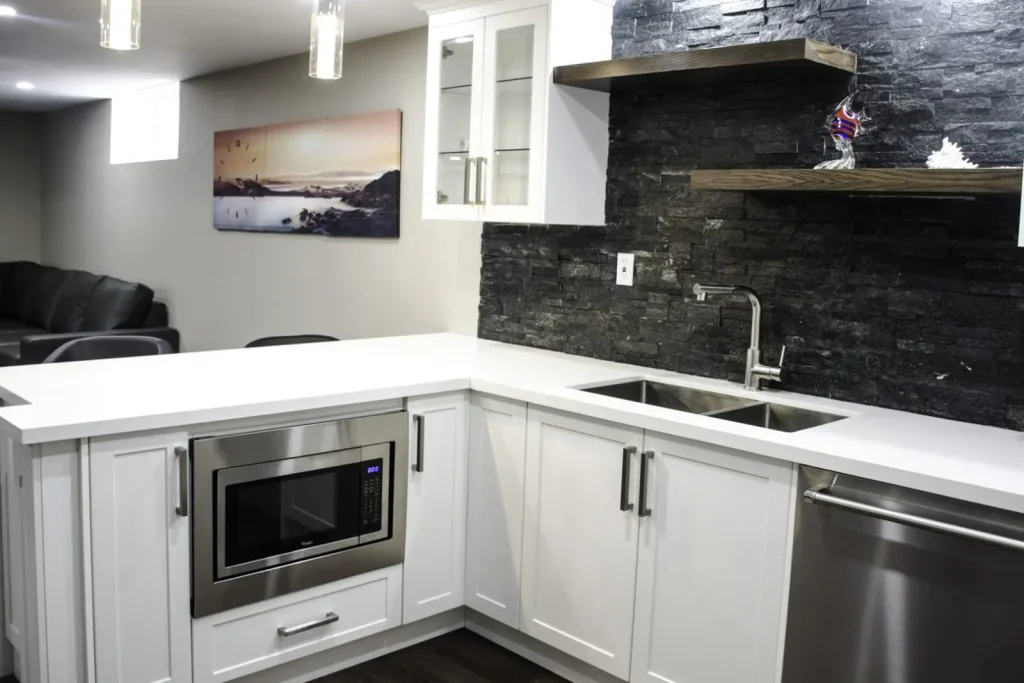
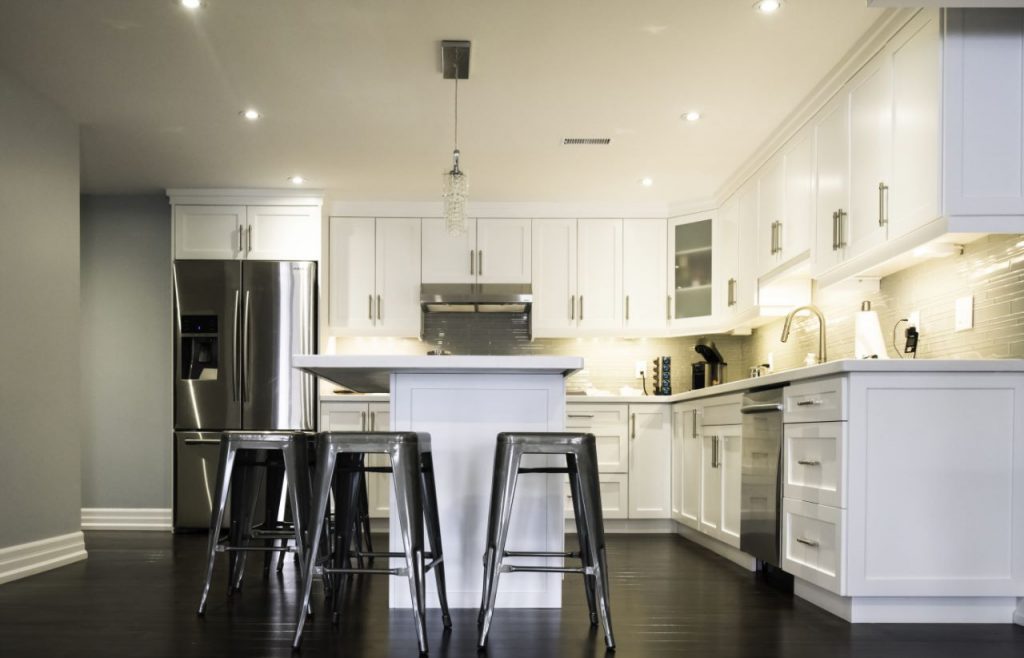
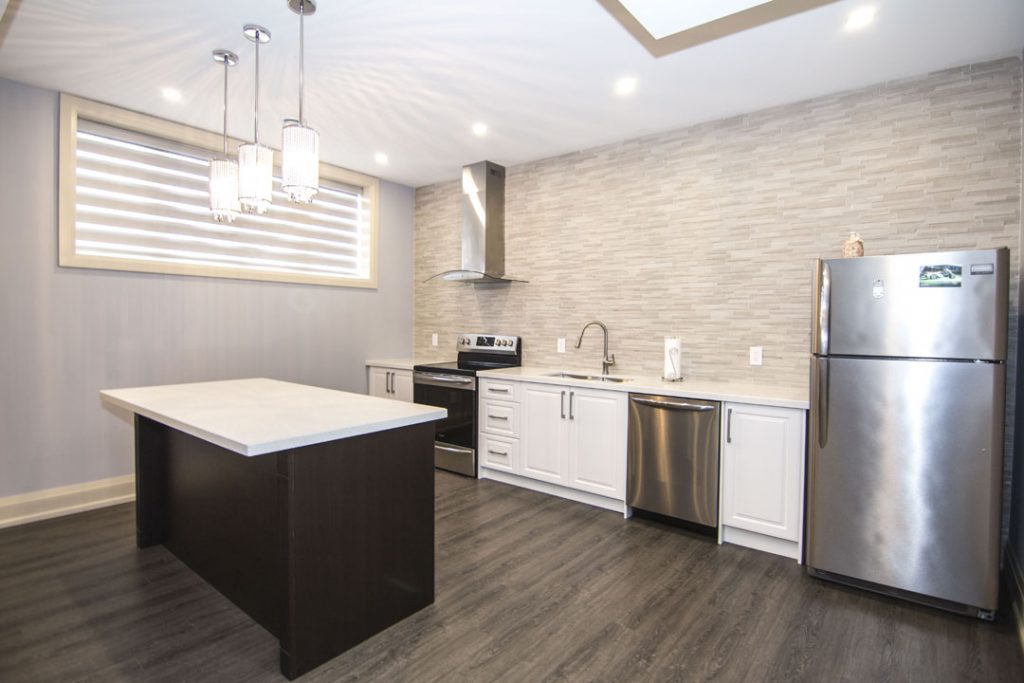
A basement kitchen needs to be well planned. Will the kitchen follow a galley style or an open-concept layout? It will need separate areas for cooking, cleaning, and preparation for an uncomplicated flow through the kitchen. Layered lighting would be best to banish shadows and provide plenty of light. With cooking comes steam and moisture, not to mention odours, so increased ventilation is very important. Vertical storage and compact appliances will use less space but still have the functionality you need. For planning help and layouts, see basement kitchen ideas and 8 steps for brilliant basement kitchens.
Climate, Comfort & Energy Efficiency
The key to comfort and energy efficiency in the basement is to create a heat barrier between the elements and your basement. Insulate your basement walls with spray foam or foam boards, and install insulated panels on the concrete floor. Higher rated R-value for the insulation would be best. Consider triple-pane, double-glazed windows for high-quality insulation. Utilize technology with radiant floor heating and smart thermostats. If feasible, extend your HVAC to the basement for added efficiency. For more guidance, see energy-efficient basements.
Heating Your Basement Efficiently
To heat your basement efficiently, you need to have good insulation, close off any air leaks, and eradicate moisture. To fight moisture, insulate with rigid foam board. You can also use a closed-cell spray foam, but it can be expensive and should be professionally installed. Close drafts with caulking around windows, weather stripping, and door sweeps on doors. After verifying that you have no cracks or leaks in your foundation, a dehumidifier can help to take away excess moisture that cools the air. If your basement still feels chilly, see how to stay warm in a cold basement and best ways to heat a basement.
Setting Ideal Humidity Levels
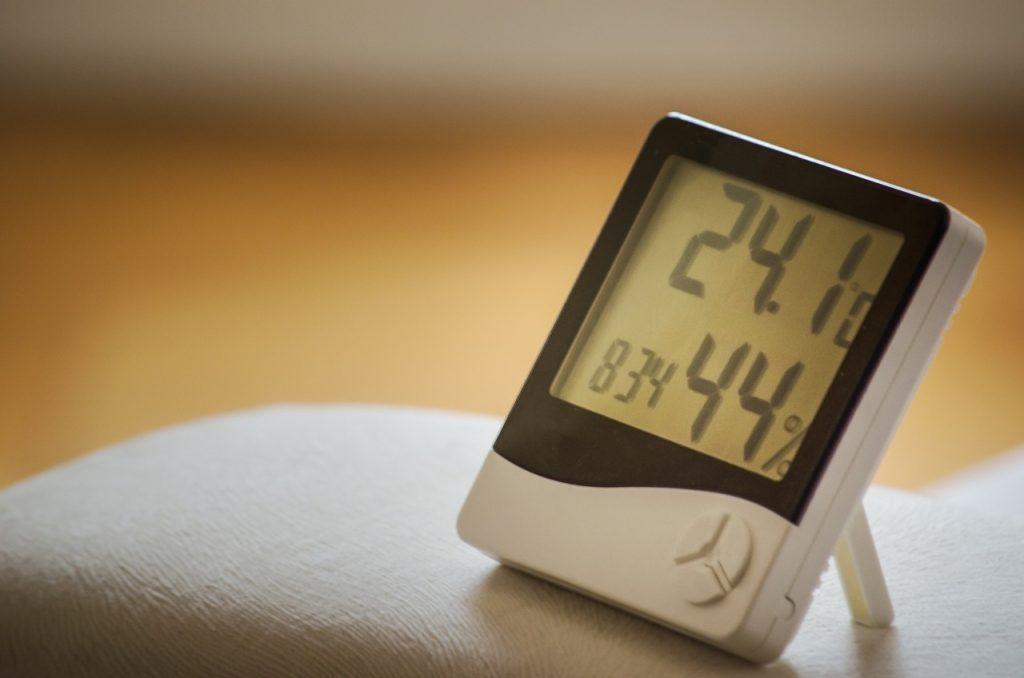
Controlling humidity in a basement happens on several levels. Ventilation for bathrooms and heavy appliances needs to release directly to the outside. Interior waterproofing, and ideally exterior as well, is a strong suggestion. Install a sump pump to discharge water away from the home. Keep exterior water from gutters and downspouts directed away from the foundation. To keep a 30-50% humidity range, use a hygrometer and a dehumidifier to get rid of that final amount of excess moisture in the air.
Design Trends and Colour Inspiration for 2026
The trends for 2026 for basement renovations lean away from the single-use rumpus room format. Multifunctional layouts with versatile spaces for living, working, and playing. Wellness and restoration with home gyms and meditation corners are trending. Sustainable and natural materials are on the rise with the incorporation of natural stone, bamboo, and linen. Also, sharp corners are on the fade with softer corners and arched doorways coming in vogue.
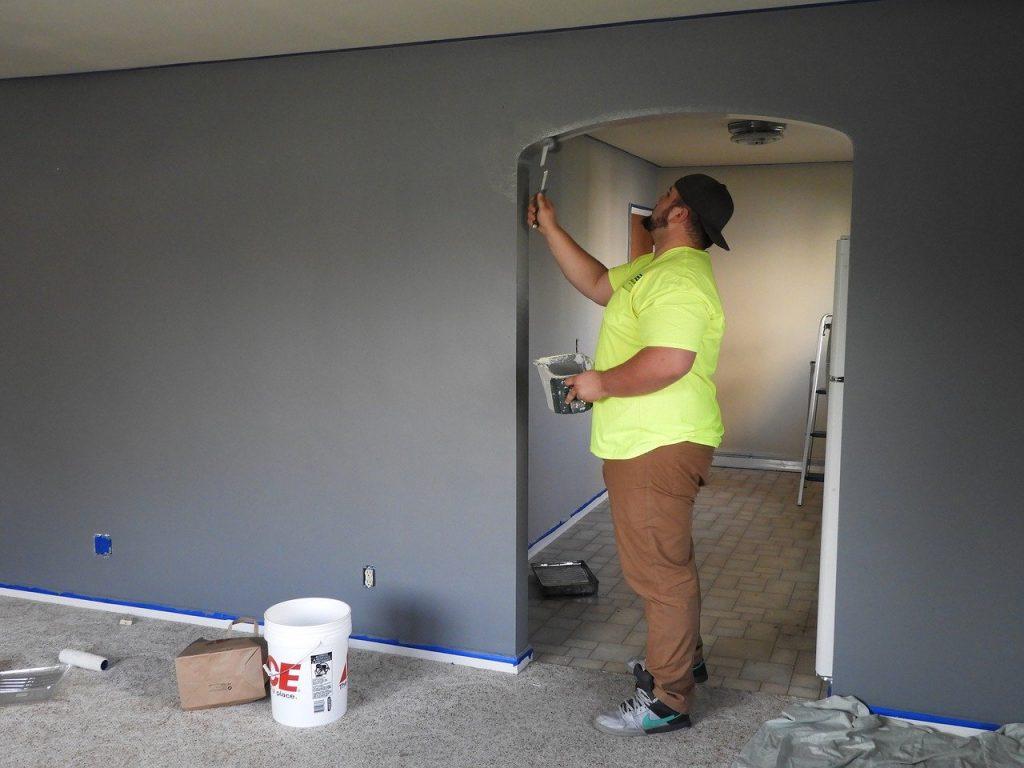
Basement Paint Colours That Brighten & Modernize
Crisp and sterile whites help brighten a basement, but neutral colours with softer blues and yellows are coming into fashion for 2026. Various paint companies’ “Colour of the Year” features brightening neutrals such as a creamy ivory with peach undertones, an earthy khaki, and a warm, glowing soft yellow. Connected to the sustainable and natural material suggestion for walls and ceilings, nature-inspired earthy grey-greens, restorative olive green, or an airy light blue are also trending. For curated options, see best basement paint colours.
Legal Requirements, Permits, and Basement Apartment Rules
Legally, to create a basement apartment, you will need to get all the permits before starting. Check to see if you are in an area zoned for a secondary suite. Inspections must be regularly carried out, and the Electrical Safety Authority (ESA) must issue a compulsory certificate. There needs to be an egress window in each bedroom, fully contained: separate entrance, kitchen, and bathroom, and interconnected smoke and CO alarms. Check here for more detailed information for Ontario, plus our overview of legal basement requirements in Ontario and egress code requirements in Ontario.
What Is a Renoviction?
A renoviction is an eviction of a tenant for the purpose of performing a renovation on the apartment. Tenants must receive an N13 written notice at least 3 months before work is to begin although a tenant can dispute the notice if they believe the landlord acted in bad faith. The tenant has a right to move back to the unit at the same rent after the reno. The landlord needs to show the remodel is extensive, and he must provide a professional report justifying the renovation. Check here for Ontario and here for Toronto for bylaws regarding renovictions. For a plain-language overview, see renovictions.

Basement Safety & Egress Codes
In Ontario, there are specific codes and regulations concerning basement safety and egress. Some include:
- Windows must be at least 38cm (15in) for both height and width and no more than 1m (39in) from the floor
- Window wells for below ground windows must project at least 76cm (30in) from the wall and needs a ladder if they are more than 150cm (59in)
- Windows must stay open by themselves and be opened with ease from inside
- Basements must have 2 or more exits separated far apart from each other
- Hiring a contractor is suggested
Final Thoughts
Hopefully, you will have found all of the answers that you need to decide what to do with your basement. Will it become a rental suite that could augment your family income? Will it be segmented into a family / entertainment / wellness space? Will you take time to make needed repairs before considering a remodel? If you have further questions, we can help. At Harmony Basements, we have had these conversations numerous times with numerous home owners.
Feel free to contact us today to ask how we can make your basement an integral part of your home.
The post Ultimate Basement Renovation Guide For Toronto Homeowners appeared first on Harmony Basements.
https://harmonybasements.ca/basement-renovation-guide/
 Backyard GrillingWeekend WarriorsAdvice from DadBeard GroomingTV Shows for Guys4x4 Off-Road CarsMens FashionSports NewsAncient Archeology World NewsPrivacy PolicyTerms And Conditions