
Are you struggling to find the perfect golf ball for your game? Look no further!
In this article, we'll guide you through the process of choosing the right golf ball based on your skill level, swing speed, and playing conditions.
With a better understanding of golf ball construction and by testing and comparing different options, you'll be able to improve your performance on the course.
Get ready to take your game to the next level!
Determine Your Skill Level
To determine the right golf ball for your game, assess your skill level and consider your strengths and weaknesses on the course. Are you a beginner, just starting out and learning the basics? Or are you an experienced player, with a low handicap and a consistent swing? Understanding your skill level is crucial in choosing the right ball that will optimize your performance.
Beginners may benefit from using a softer ball with more forgiveness, as it can help minimize the effects of off-center hits. On the other hand, advanced players may prefer a firmer ball that offers more control and distance. By considering your skill level, you can narrow down the options and find a ball that suits your game.

Now, let's move on to the next factor to consider: your swing speed.
Consider Your Swing Speed
Assessing your swing speed is the next step in choosing the right golf ball for your game, building upon your understanding of your skill level and how it impacts your performance.
Swing speed refers to the velocity at which your clubhead strikes the ball during your swing. It's an essential factor to consider because different golf balls are designed to perform optimally at specific swing speeds.
If you have a fast swing speed, you should opt for a high-compression ball that offers less spin and increased distance.
On the other hand, if you have a slower swing speed, a low-compression ball would be more suitable, as it provides more control and helps maximize your distance.
Assess Your Playing Conditions
Consider the weather and course conditions when assessing the right golf ball for your game. These factors play a crucial role in determining the type of ball that will perform best for you on the course.

If you typically play in hot and humid conditions, a golf ball with a softer construction may be beneficial as it will help to retain its shape and provide better feel and control.

On the other hand, if you frequently play on wet or soft courses, a ball with a firmer construction can help reduce spin and increase distance.
By taking into account the specific playing conditions you usually encounter, you can make an informed decision on the right golf ball for your game.
Now, let's delve into understanding golf ball construction and how it affects your performance.
Understand Golf Ball Construction
Now that you have taken into account the specific playing conditions you usually encounter, let's delve into how golf ball construction affects your performance on the course.
Golf ball construction plays a crucial role in determining the distance, control, and feel of your shots. Modern golf balls are typically made up of two main components: the core and the cover.

The core, usually made of rubber or synthetic materials, affects the ball's compression and energy transfer, which in turn affects the distance and speed of your shots.
The cover, commonly made of urethane or Surlyn, affects the spin and control of the ball. A softer cover provides more spin and control, while a harder cover offers more durability.
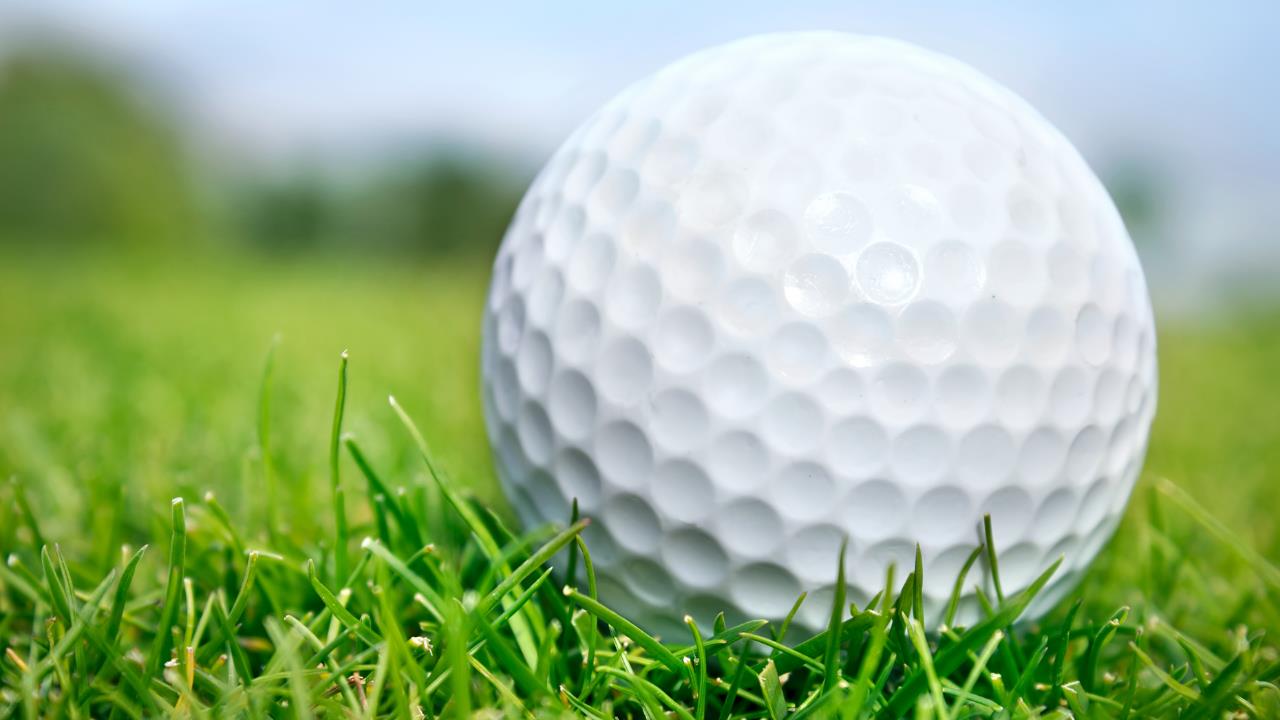
Understanding these construction elements will help you choose a golf ball that suits your game and maximizes your performance on the course.
Test and Compare Different Golf Balls
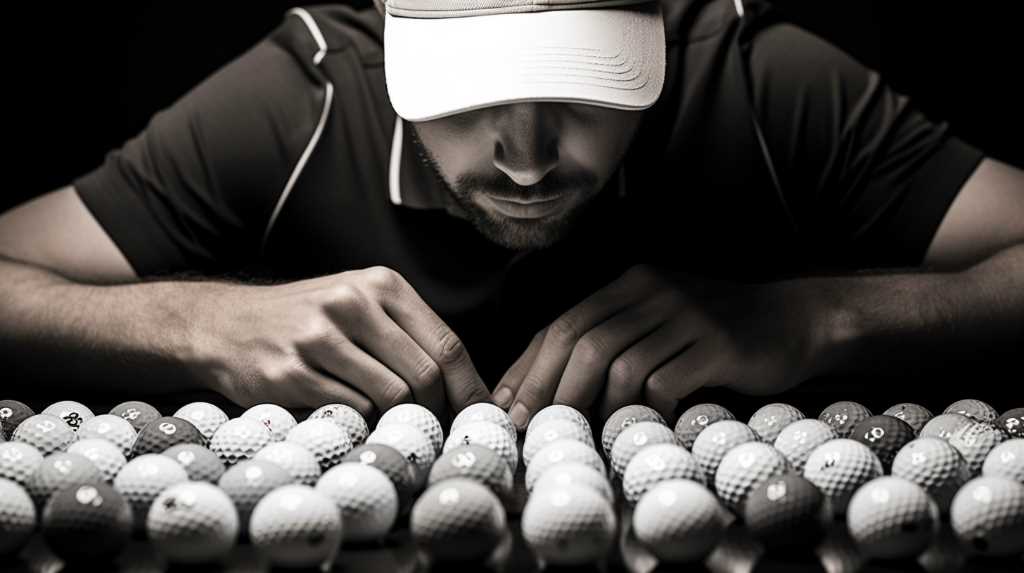
To determine the best golf ball for your game, try testing and comparing different options to find the one that suits your needs and preferences. Take the time to visit a local golf store or driving range that offers a variety of golf balls for testing. Experiment with different brands, models, and constructions to see how they perform with your swing and playing style.
Pay attention to factors such as distance, spin, feel, and control. Keep track of your results and impressions for each ball tested. By comparing the performance of different golf balls, you can identify which one provides the best combination of distance, control, and feel for your game.
Conclusion
So, there you have it! Choosing the right golf ball for your game is all about understanding your skill level, swing speed, playing conditions, and the construction of different golf balls.
By taking these factors into consideration and testing and comparing different options, you can find the perfect ball to enhance your performance on the course.
Happy golfing!