

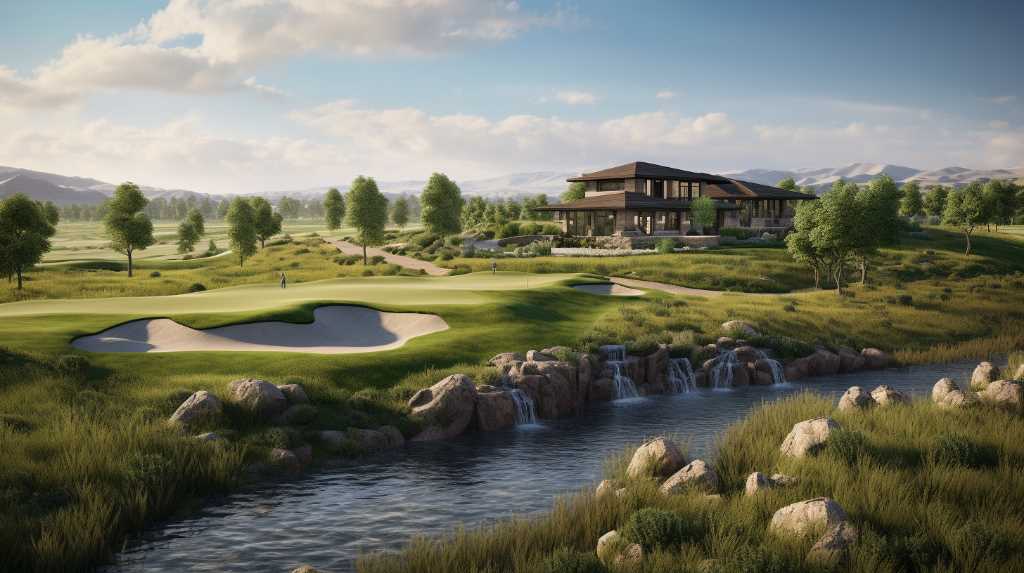
If you're looking to create a sustainable golf course design, this article is for you. We'll show you how to:
- Assess your site
- Conserve water
- Enhance biodiversity
- Increase energy efficiency
- Restore wildlife habitats
By following these steps, you'll not only reduce your environmental impact but also create a golf course that is resilient and harmonious with nature.
Let's get started on your journey towards a sustainable golf course design.
Site Assessment and Planning
You should begin the process of creating a sustainable golf course design by conducting a thorough site assessment and developing a comprehensive plan.
Start by evaluating the land's topography, soil quality, and water sources. Assess the existing vegetation and wildlife, as well as any potential environmental risks or sensitive areas. This assessment will help you understand the site's unique characteristics and challenges, allowing you to make informed decisions moving forward.
Once you have gathered all the necessary information, it's time to develop a comprehensive plan. This plan should outline your goals for sustainability, including strategies for conserving water, reducing chemical use, and promoting biodiversity. It should also address infrastructure needs, such as irrigation systems and energy-efficient lighting.

Water Conservation and Management
To effectively conserve and manage water in your sustainable golf course design, consider implementing strategies such as sub-surface irrigation and rainwater harvesting.
Sub-surface irrigation involves placing pipes or tubes beneath the ground to deliver water directly to the plant roots, minimizing evaporation and reducing water waste.
Rainwater harvesting, on the other hand, involves collecting and storing rainwater for future use, reducing the reliance on freshwater sources.
By integrating these techniques into your golf course design, you can significantly reduce water consumption and promote sustainability. Proper water management not only helps conserve this precious resource but also reduces maintenance costs and enhances the overall ecological balance of the course.
Transitioning into the next section about 'native plantings and biodiversity', incorporating water conservation strategies can create an environment that supports the growth and diversity of native plant species.
Native Plantings and Biodiversity
Implementing native plantings and promoting biodiversity in your sustainable golf course design enhances the ecological balance and supports the growth of local plant species. By incorporating native plants into the landscape, you create a habitat that attracts and sustains a diverse range of wildlife. These plants have evolved to thrive in your specific climate and soil conditions, reducing the need for excessive watering, fertilizers, and pesticides. This not only saves resources but also reduces the potential harm to the environment.
The presence of native plants also helps to preserve the natural beauty of the area and maintain the unique character of the region. Additionally, the diversity of plant species supports a healthy ecosystem, providing food and shelter for birds, insects, and other wildlife.
Energy Efficiency and Renewable Resources
By incorporating energy-efficient practices and utilizing renewable resources in your sustainable golf course design, you can further reduce the environmental impact and promote long-term sustainability.
Implementing energy-efficient measures such as LED lighting systems and motion sensors can significantly reduce energy consumption on the course.
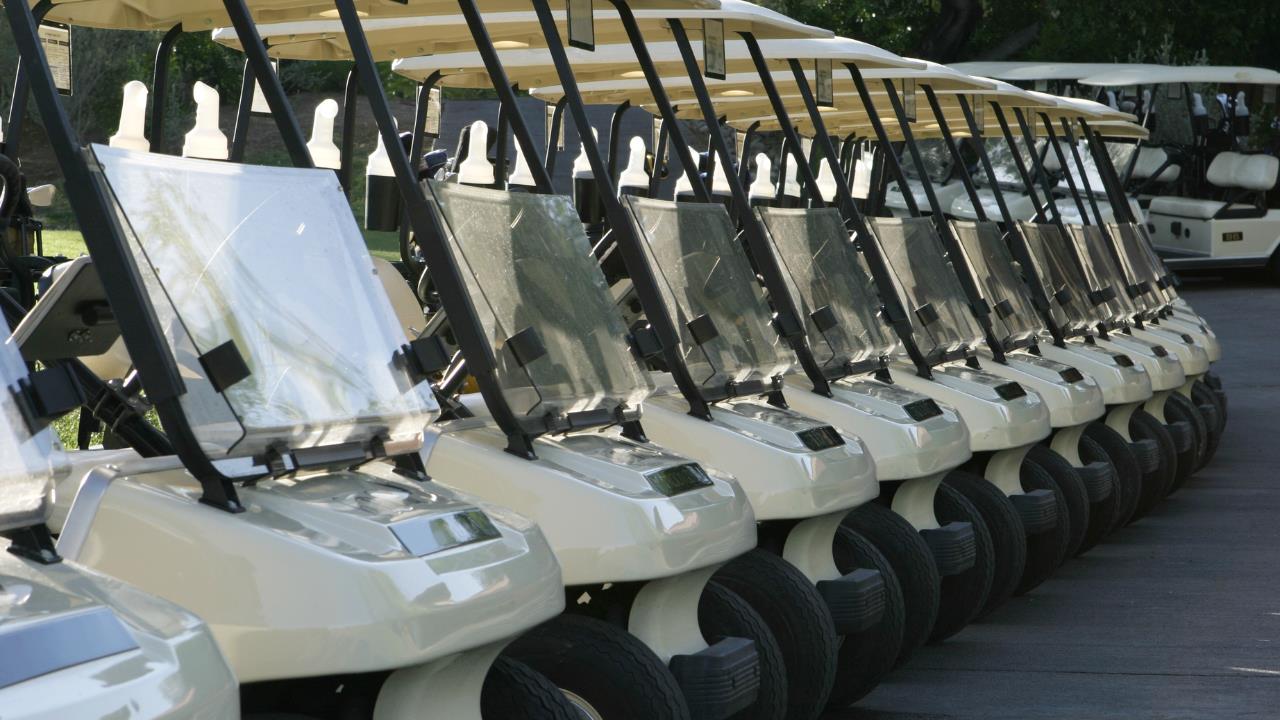
Additionally, utilizing renewable resources like solar panels can provide a clean and sustainable source of energy for powering golf carts, irrigation systems, and clubhouse facilities.
By optimizing the use of these resources, you can minimize reliance on non-renewable energy sources and decrease greenhouse gas emissions.
Furthermore, investing in renewable resources not only reduces operational costs but also contributes to the overall sustainability of the golf course.
As we transition to the next section on wildlife habitats and ecological restoration, it's important to consider how energy efficiency and renewable resources can create a harmonious environment for both golfers and wildlife.
Wildlife Habitats and Ecological Restoration
Continue promoting the long-term sustainability of your sustainable golf course design by creating wildlife habitats and engaging in ecological restoration efforts.
By incorporating wildlife habitats into your golf course design, you can provide a safe and welcoming environment for various species. Planting native trees, shrubs, and wildflowers can attract birds, butterflies, and other beneficial insects.
Additionally, you can create ponds and wetlands, which won't only enhance the aesthetic appeal of your golf course but also provide habitats for amphibians, reptiles, and waterfowl.
Engaging in ecological restoration efforts is crucial for preserving the natural balance of the ecosystem. This can involve restoring degraded areas, such as wetlands or forests, by removing invasive species and replanting native vegetation.
Conclusion
So there you have it! By implementing sustainable practices, you can create a golf course design that not only preserves the environment but also enhances its beauty and biodiversity.
Some key sustainable practices include site assessment, water conservation, native plantings, energy efficiency, and wildlife habitats.
Remember, a sustainable golf course isn't only good for the planet, but also for the players who can enjoy a harmonious and eco-friendly golfing experience.
Keep up the great work and continue to make a positive impact!