
Are you a golfer who enjoys spending time on the course? Then you may have encountered some unexpected wildlife along the way.
Don't fret! This article will guide you on how to handle those encounters with confidence.
From understanding the wildlife you may come across, to taking the necessary safety precautions, to reacting appropriately in different situations, we've got you covered.
Get ready to navigate the golf course while promoting coexistence with its fascinating wildlife inhabitants.
Understanding the Wildlife on the Course
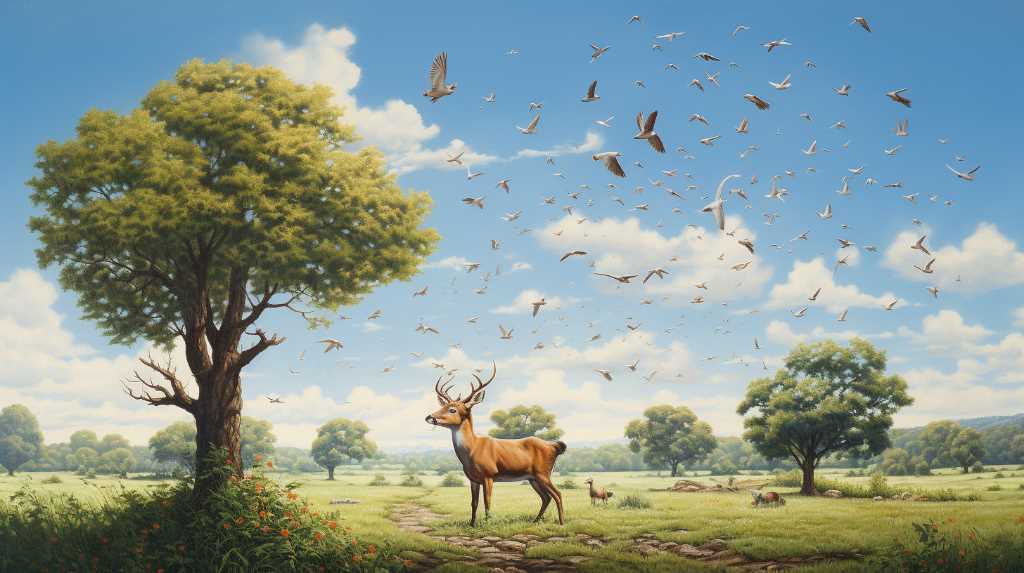
When golfing, it's crucial to be aware of the wildlife inhabiting the course. You may encounter a variety of animals such as birds, squirrels, rabbits, and even deer. These creatures are part of the natural ecosystem of the golf course, and it's important to respect their presence.
Keep an eye out for birds nesting in trees or squirrels scurrying across the fairway. Be mindful not to disturb their habitats or interfere with their activities.

In addition, it's essential to remember that some wildlife, such as snakes, may pose a potential threat. Stay vigilant and avoid approaching or provoking any wildlife you may encounter.
Safety Precautions for Golfers
To ensure your safety on the golf course, it's important to take certain precautions when encountering wildlife. While it can be exciting to see animals in their natural habitat, it's crucial to remember that they're wild and unpredictable.
First and foremost, it's essential to maintain a safe distance from any wildlife you come across. Avoid approaching or attempting to touch them, as this can provoke an aggressive response.
It's also recommended to keep your distance from any nests, dens, or burrows, as animals may become protective and territorial.
Additionally, it's wise to familiarize yourself with the types of wildlife commonly found on the course and learn about their behaviors. This knowledge will help you react appropriately and avoid unnecessary risks.
How to React in Different Wildlife Encounters
As you encounter wildlife on the golf course, frequently observe their behavior and be prepared to react accordingly. It's important to remember that each encounter may require a different reaction.
If you come across a snake, keep your distance and don't attempt to touch or provoke it. Snakes are typically more afraid of you than you're of them, and they'll usually move away if given the chance.

If you encounter a coyote or fox, make yourself appear larger by raising your arms and standing tall. Back away slowly and avoid direct eye contact.
In the case of a bear sighting, stay calm and slowly back away without turning your back on the animal. Don't run, as this may trigger a chase response.
Tips for Avoiding Wildlife Interruptions
To avoid wildlife interruptions on the golf course, consider implementing these tips.
First, be aware of your surroundings and pay attention to any signs or warnings about wildlife presence. Stay on designated paths and avoid venturing into areas where animals may be hiding or nesting.
Additionally, keep your distance from any wildlife you may encounter. Don't approach or attempt to feed them, as this can disrupt their natural behavior and may even put you at risk.
It's also important to dispose of any food waste properly to prevent attracting wildlife to the course.
Lastly, if you do come across wildlife on the golf course, remain calm and slowly back away, giving the animal space to move on.

Following these tips can help you avoid unnecessary interruptions and ensure a safe and enjoyable golfing experience.
Promoting Coexistence With Golf Course Wildlife
Encourage respectful coexistence with golf course wildlife by practicing proper etiquette and awareness. Be mindful of the natural habitats and behaviors of the wildlife that call the golf course home. Avoid disturbing their nests, burrows, or feeding areas.
Keep a safe distance and observe them from afar, using binoculars if needed. Don't approach or attempt to touch them, as this can cause stress or aggression. Be conscientious of your actions and how they may impact the wildlife. Dispose of trash properly to prevent attracting unwanted pests.
Respect any signs or guidelines set by the golf course management regarding wildlife conservation. By promoting coexistence, we can ensure that both golfers and wildlife can enjoy the golf course environment harmoniously.
Conclusion
In conclusion, when encountering wildlife on the golf course, it's important to prioritize safety for both yourself and the animals. By understanding the wildlife, taking necessary precautions, and reacting appropriately, you can navigate these encounters with ease.
Additionally, implementing measures to avoid wildlife interruptions and promoting coexistence will contribute to a harmonious environment for all.
So, next time you come across a furry or feathery friend on the course, remember to stay calm and respectful.